



Forensic & Criminological Matrix
| Parameter | Forensic Detail |
|---|---|
| Forensic Heading / Aliases | Baby Lollipops Mom |
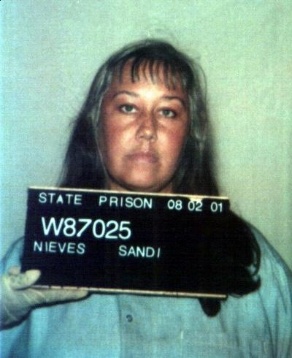
| Legal Identity | Ana María Cardona |
| Confirmed Victims | 1 (Lazaro Figueroa, 3-year-old son) |
| Active Timeline | 1990 (culminating on October 31, 1990) |
| Jurisdiction / Area of Operations | Miami-Dade County, Florida, United States |
| Criminological Classification | Filicidal murderer / Child torturer |
| Forensic Modus Operandi | Systematic physical abuse, starvation, confinement, and blunt-force trauma with a baseball bat |
| Weapon / Mechanism of Death | Baseball bat / severe cranial trauma and extreme malnutrition |
| Motive / Behavioral Dynamics | Sadistic disregard for the child, cocaine addiction, and destructive co-dependent relationship dynamics |
| Judicial Outcome | Sentenced to death in 1992 (overturned in 2002); retried and resentenced to death in 2011, maintaining a prominent status within Florida's penal system |
1. Background and Psychopathy
Ana María Cardona was born in Cuba on November 26, 1961, and later immigrated to the United States, settling in the Miami area. According to forensic and psychological evaluations conducted during her legal proceedings, her personal history was characterized by emotional instability, familial neglect, and substance abuse, specifically cocaine addiction. Her domestic life devolved into extreme violence and severe negligence alongside her romantic partner, Olivia Gonzalez. Cardona assumed primary caregiving responsibilities for her three-year-old son, Lazaro Figueroa, whom she subjected to an escalating pattern of horrific abuse that ultimately culminated in an infanticide classified by Florida judicial authorities as one of the most atrocious instances of child torture in Miami-Dade County history.
2. Crime Spree
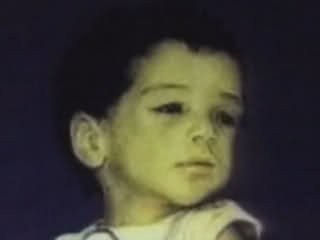
The ordeal of Lazaro Figueroa, dubbed "Baby Lollipops" by the media due to the candy design on his t-shirt when recovered, spanned a significant portion of his short life. Forensic autopsy reports and trial evidence unveiled a harrowing clinical picture: the toddler suffered from severe malnutrition, weighing a mere 18 pounds—approximately half of what was normal for his age—with his pelvic bones and ribs visibly protruding through his skin. The child bore healed and fresh fractures, deep ligature marks between his toes indicating he had been bound and confined inside a closet, chronic burns, and lacerations, alongside knocked-out front teeth and a torn labial frenulum from prior beatings. On October 31, 1990, Lazaro was brutally struck in the head with a baseball bat, inflicting a massive cranial fracture that caused his death. Following the murder, Cardona and her partner abandoned the lifeless body in the bushes outside a Miami Beach mansion, ostensibly hoping a wealthy individual would find and nurse him back to health.
3. Crime Spree and Forensics
The discovery of the toddler's corpse on November 3, 1990, triggered an intensive law enforcement and media response across South Florida. Initially unidentified, the victim was named "Baby Lollipops" by detectives and journalists. Forensic investigations promptly established that the death was a homicide resulting from months of sustained physical abuse and torture. Suspicion quickly focused on the mother and her circle when authorities discovered that Cardona had fled to the Orlando area with her other children and Olivia Gonzalez. Police apprehended both women in December 1990. Interrogations yielded incriminating recorded statements, comprehensive medical examiner testimonies detailing the corpse's horrific condition, and forensic analyses that discredited alternative defense theories pointing toward third-party perpetrators.
4. Arrest and Judicial Proceedings
Ana Maria Cardona was arrested on December 6, 1990, and formally charged with first-degree murder and aggravated child abuse. Her co-defendant and partner, Olivia Gonzalez, entered a plea deal, pleading guilty to second-degree murder in exchange for testifying against Cardona, subsequently serving 19 years before securing release. In her initial 1992 trial, Cardona was convicted and sentenced to death, becoming the first woman in Florida history sent to death row for murdering her own child. However, in 2002, the Florida Supreme Court overturned the conviction, ruling that prosecutors failed to disclose prior conflicting statements made by Gonzalez. A retrial culminated in October 2010 when a jury recommended the death penalty by a 7–5 vote. On June 10, 2011, Circuit Judge Reemberto Diaz formally upheld the recommendation, returning Cardona to death row.
5. Psychiatric Assessment and Aftermath
From a criminological and psychiatric standpoint, Cardona's actions reflect a profound breakdown of maternal protective instincts, compounded by chemical dependency and toxic relational submissiveness. During trial proceedings, the defense attempted to cast Gonzalez as the primary assailant and argued that Cardona was psychologically paralyzed by cocaine intoxication and past trauma. Nevertheless, courts dismissed these claims upon establishing Cardona's active and conscious participation in the systematic torment of her defenseless son. Judge Diaz, during sentencing, emphasized that the defendant had forfeited her right to live after exposing the child to unabated suffering. The case remains a landmark precedent in American jurisprudence concerning filicide, child torture, and capital punishment.