


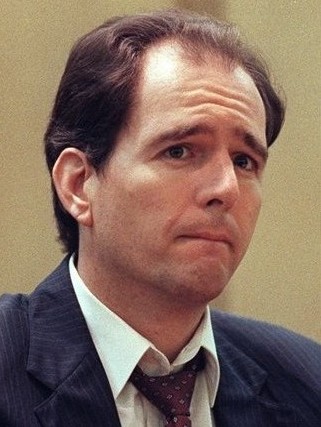
Forensic & Criminological Matrix
| Parameter | Forensic Detail |
|---|---|
| Forensic Heading / Aliases | The Cantu Case (Posthumous Exoneration Dispute) |
| Legal Identity | Ruben Montoya Cantu |
| Confirmed Victims | 1 (Pedro Gomez) |
| Attributed / Indicted Victims | 1 attempted murder (Juan Moreno) |
| Active Timeline | November 8, 1984 |
| Jurisdiction / Area of Operations | San Antonio, Bexar County, Texas, United States |
| Criminological Classification | Felony murder / Landmark disputed wrongful capital execution |
| Forensic Modus Operandi | Armed nocturnal home intrusion with a .22-caliber rifle targeting resting construction laborers; execution-style repeated firing following suspected resistance. |
| Weapon / Mechanism of Death | .22-caliber long rifle (9 gunshot wounds sustained by Pedro Gomez; 9+ gunshot wounds sustained by Juan Moreno) |
| Motive / Behavioral Dynamics | Instrumental economic gain (armed robbery); environmental gang dynamics and juvenile delinquency. |
| Judicial Outcome | Convicted of capital murder in 1985; executed by lethal injection on August 24, 1993, at the Huntsville Unit, Texas. |
1. Background and Profile
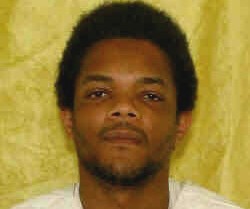
Ruben Montoya Cantu was born on December 5, 1966, in the impoverished South Side neighborhoods of San Antonio, Texas. Reared amidst pervasive socioeconomic deprivation and endemic street gang activity, Cantu had an eighth-to-ninth-grade education and was classified as a special education student due to severe cognitive and academic challenges. During his early adolescence, he became immersed in border vehicle theft networks, regularly transporting stolen trucks for cash stipends.
Despite frequent neighborhood police contact and his elder brothers' arrests, Cantu had no record of violent criminal convictions prior to late 1984. Known for adhering strictly to the street code of silence, Cantu was widely known by local precinct officers who harbored significant institutional friction toward his family.
2. Criminal Career and Modus Operandi
On the night of November 8, 1984, two Mexican construction laborers, 25-year-old Pedro Gomez and 19-year-old Juan Moreno, were guarding an unfinished, partially wired brick house on Briggs Street in South San Antonio. Having completed their workday, the men were sleeping on floor mattresses with approximately $1,000 in cash combined.
Shortly before midnight, two young intruders entered the structure and activated the sole overhead lightbulb. One carried a .22-caliber rifle, demanding their money. Gomez handed over his wallet with $600 but immediately reached beneath a mattress toward a concealed .38-caliber revolver. In response, the gunman opened fire at point-blank range, striking Gomez nine times and instantly killing him. The perpetrator then redirected the rifle toward Moreno, discharging multiple rounds into his torso, abdomen, and limbs before fleeing. Moreno sustained catastrophic trauma—eventually losing a lung, a kidney, and portions of his digestive tract—but survived.
3. Investigation and Arrest
The initial crime scene investigation revealed zero physical links to Ruben Cantu: no ballistic weapon was recovered, nor were fingerprints or serological evidence found connecting him to the room. Investigative attempts were further obstructed by language barriers, as primary homicide detective James Herring spoke no Spanish.
Six weeks after the murder, a high school rumor passed from a shop teacher suggested Cantu was the perpetrator. Detectives conducted a photographic line-up with Moreno at the hospital, but the severely traumatized witness explicitly failed to identify Cantu. The case grew cold until March 1, 1985, when Cantu shot and wounded an off-duty San Antonio police officer, Joe De La Luz, during a dispute at the Scabaroo Lounge. Following the officer's wounding, homicide leadership prioritized clearing the Briggs Street homicide against Cantu.
Detectives were dispatched repeatedly to question Moreno, who was an undocumented immigrant at the time. After failing to identify Cantu on a second occasion, Moreno was transported directly to the police station for a third display. Under intense suggestive pressure and fearing deportation or police retribution, Moreno selected Cantu's photograph.
4. Legal Proceedings and Outcome
Cantu was tried as an adult in Bexar County for capital murder in 1985, despite having been 17 years old at the commission of the crime. His 15-year-old alleged accomplice, David Garza, was tried as a juvenile on robbery charges. The prosecution's case, presented by District Attorney Sam Millsap Jr., relied almost entirely on Moreno's courtroom eyewitness testimony.
With no ballistics, DNA, or fingerprints corroborating the charge, and an under-resourced public defense team, the jury deliberated and returned a guilty verdict. Cantu was sentenced to death. Cantu consistently maintained his total innocence, penning a public letter immediately following his conviction asserting he had been framed.
5. Execution and Posthumous Exoneration Revelations
Ruben Cantu was executed via lethal injection on August 24, 1993, at the Huntsville Unit in Texas at age 26, choosing silence over a final statement.
In 2005 and 2006, an investigative series by The Houston Chronicle unraveled the evidentiary foundation of the conviction:
- Sole Eyewitness Recantation: Juan Moreno stated unequivocally under oath that Cantu did not shoot him or Gomez, detailing that his testimony was coerced through repeated, suggestive photo arrays and police intimidation.
- Co-Defendant Affidavit: David Garza admitted in a sworn statement that he participated in the Briggs Street robbery with an entirely different perpetrator, and that Cantu was absent from the scene.
- Prosecutorial and Juror Regret: District Attorney Sam Millsap Jr. publicly stated that seeking the death penalty on tainted single-eyewitness evidence was an egregious institutional failure, and jury forewoman Miriam Ward stated the jury executed an innocent man based on false information.
While a 2007 review conducted by subsequent Bexar County prosecutors defended the legacy trial file, the Cantu case remains internationally recognized by criminologists and legal scholars as one of the most prominent documented cases of wrongful capital execution in modern American jurisprudence.