




Forensic & Criminological Matrix
| Parameter | Forensic Detail |
|---|---|
| Forensic Heading / Aliases | Patty Cannon (Lucretia P. Cannon) |
| Legal Identity | Martha Cannon |
| Confirmed Victims | 4 formal murder indictments / Hundreds of kidnapping victims |
| Active Timeline | c. 1821 - 1829 |
| Jurisdiction / Area of Operations | Delmarva Peninsula (Maryland and Delaware, USA) |
| Criminological Classification | Cross-border criminal ring leader, human trafficker, and multiple homicide offender |
| Forensic Modus Operandi | Systematic abduction of free Black individuals and slaves using deception or extreme violence, confinement in clandestine hideouts, nocturnal transport in covered wagons, and illegal sale to Southern plantation owners, eliminating witnesses through lethal force. |
| Weapon / Mechanism of Death | Blunt force trauma, firearms, and self-administered poison |
| Motive / Behavioral Dynamics | Financial enrichment driven by skyrocketing slave prices following the federal ban on importation |
| Judicial Outcome | Indicted for four murders in 1829; died in custody prior to trial, officially ruled a suicide via poison |
1. Background and Psychopathy
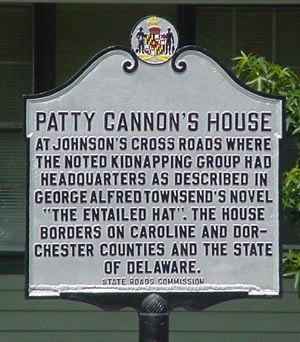
Martha "Patty" Cannon was born around 1760. She married local farmer Jesse Cannon and established her residence in a remote area near the border convergence of Caroline and Dorchester counties in Maryland, and Sussex County in Delaware. This jurisdictional intersection provided an ideal geographical buffer for illicit operations. Over decades, Cannon emerged as the ruthless matriarchal head of a violent family-based syndicate specializing in human trafficking.
2. Crime Spree and Modus Operandi
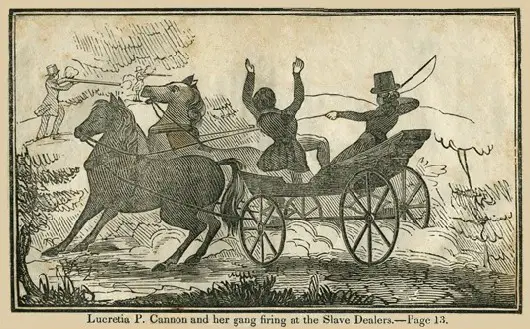
Following the United States federal ban on slave importation in 1808, the market value of enslaved people in the South escalated dramatically, exceeding $1,000 per individual. This economic incentive fueled the illegal enterprise known as reverse-underground railroad operations. Cannon's gang targeted free Black communities residing near the Maryland-Delaware border.
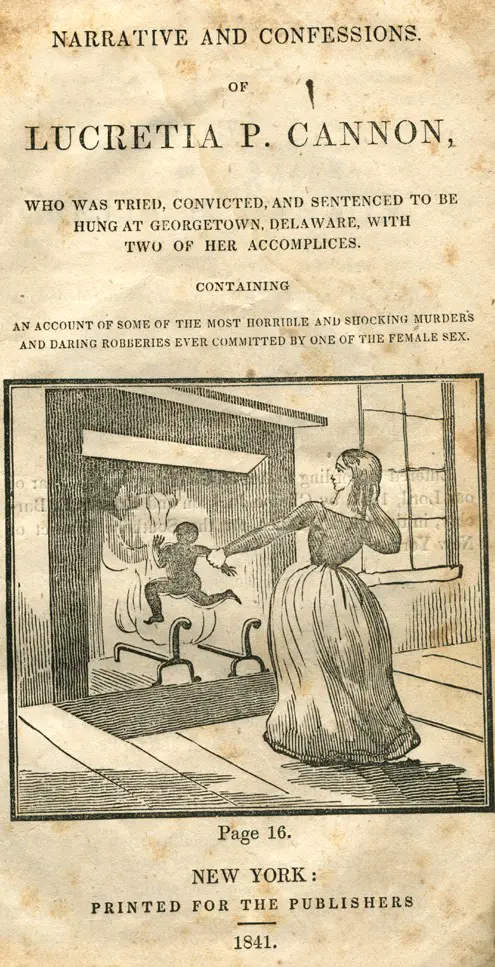
Victims were restrained with leg irons and confined in secret rooms, attics, and cellars at Cannon's properties. Once a quota was reached, captives were transported in covered wagons to Cannon's Ferry and loaded onto schooners sailing down the Nanticoke River toward Chesapeake Bay and Southern slave markets. Resistance was met with severe floggings, torture, and executions to protect the syndicate from exposure.
3. Investigation and Law Enforcement Pursuit
For years, local law enforcement exhibited reluctance to dismantle the operation due to prevailing racial prejudices and fear of the gang's violent reputation. However, testimonies from escaped victims and former syndicate associates progressively built a compelling case against the organization.
The investigation reached a critical juncture in the spring of 1829, when human skeletal remains were unearthed by a tenant farmer plowing fields on Cannon's Delaware property. Subsequent searches exposed multiple clandestine graves, prompting immediate prosecutorial action.
4. Legal Proceedings and Outcome
In April 1829, a grand jury of 24 white males formally indicted Patty Cannon on four counts of murder, signed by Delaware Attorney General James Rogers. She was arrested and confined in the Georgetown jail awaiting trial.
On May 11, 1829, prior to the commencement of judicial proceedings, Cannon died in her prison cell at an estimated age of 60 to 70. Historical consensus and contemporaneous reports indicate she committed suicide by ingesting concealed poison to cheat the gallows. Her remains were initially interred in the prison yard, concluding a dark chapter in American criminal history.