Forensic & Criminological Matrix
| Parameter | Forensic Detail |
|---|---|
| Forensic Heading / Aliases | Joe |
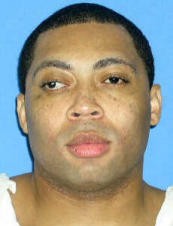
| Legal Identity | Joseph John Cannon |
| Confirmed Victims | 1 |
| Attributed / Indicted Victims | 1 |
| Active Timeline | 1977 |
| Jurisdiction / Area of Operations | San Antonio, Texas |
| Criminological Classification | Impulsive murderer |
| Forensic Modus Operandi | Firearm usage, attempted necrophilia, and vehicle theft |
| Weapon / Mechanism of Death | .22 caliber revolver |
| Motive / Behavioral Dynamics | Undetermined / Cognitive impairment |
| Judicial Outcome | Death penalty (executed) |
1. Background and Profile
Joseph John Cannon had a history of instability and cognitive deficits stemming from a head injury sustained at age four. His upbringing was marked by neglect and significant educational and social challenges.
2. Crime Spree
In 1977, Cannon murdered Anne C. Walsh, an attorney who had provided him with shelter. After shooting her at close range with a .22 caliber revolver, he attempted to engage in sexual acts with her remains before fleeing in her vehicle.
3. Investigation and Arrest
The investigation was straightforward, relying heavily on Cannon's own confession. The case became notable for the defense's strategic decisions during the penalty phase of his second trial.
4. Legal Proceedings and Outcome
Cannon underwent two trials. In the 1982 retrial, defense counsel opted against presenting mental health evidence to prevent the prosecution from introducing evidence of unadjudicated juvenile misconduct. This strategy failed to prevent a death sentence.
5. Psychiatric Evaluation and Final Disposition
Multiple habeas corpus petitions challenging the effectiveness of his counsel were denied. Joseph John Cannon was executed by lethal injection in Texas on April 22, 1998.