Forensic & Criminological Matrix
| Parameter | Forensic Detail |
|---|---|
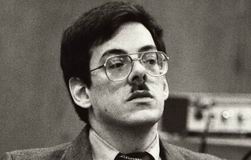
| Forensic Heading / Aliases | John William Byrd Jr. |
| Legal Identity | John William Byrd Jr. |
| Confirmed Victims | 1 (Monte B. Tewksbury) |
| Active Timeline | April 17, 1983 |
| Jurisdiction / Area of Operations | Hamilton County, Cincinnati, Ohio, USA |
| Criminological Classification | Co-perpetrator / Violent Criminal |
| Forensic Modus Operandi | Armed nocturnal raids on convenience stores using masks, overpowering victims from behind and utilizing bladed weapons to eliminate resistance. |
| Weapon / Mechanism of Death | 5-inch Bowie knife / Stab wound causing massive internal bleeding and liver laceration. |
| Motive / Behavioral Dynamics | Armed robbery and subsequent homicide. |
| Judicial Outcome | Convicted of aggravated murder with death specifications; executed by lethal injection on February 19, 2002. |
1. Background and Profile
John William Byrd Jr. was born in the United States in 1963. Prior to the capital offense, he had accumulated a criminal record involving property crimes and violent offenses. His criminal associations within Ohio placed him among local criminal networks specializing in rapid convenience store stick-ups.
2. Crime Spree
On the evening of April 17, 1983, 41-year-old Monte B. Tewksbury was working alone as a night clerk at a convenience store in Hamilton County, Ohio. Two masked robbers entered the premises. While the cash register was cleared and Tewksbury's valuables were stolen, one assailant plunged a Bowie knife to the hilt into Tewksbury's side while his back was turned and his hands were raised, causing a fatal puncture to the liver.
Shortly thereafter, the same perpetrators attempted a similar robbery at another nearby store, pursuing the clerk and attempting to breach a back room before fleeing with the cash register drawer.
3. Investigation and Arrest
Minutes after the second robbery, Forest Park police officers patrolling the area spotted a suspicious red van repeatedly entering and leaving commercial parking lots. Upon intercepting the vehicle, officers identified the occupants as John Eastle Brewer, William Danny Woodall, and John William Byrd.
A search of the van yielded compelling forensic evidence: stocking masks, loose cash, a credit card belonging to Sharon Tewksbury (the victim's wife), bloodstains on the interior seating, and the cash drawer from the second targeted store. All three suspects were arrested at the scene.
4. Legal Proceedings and Outcome
Byrd was prosecuted as the principal offender—the actual killer—under Ohio law. During his August 1983 trial, a jailhouse informant named Ronald Armstead testified that Byrd had confessed to the stabbing while in custody. Despite conflicting circumstantial evidence and later affidavits signed by co-defendant John Brewer claiming sole responsibility for the fatal knife blow, the prosecution maintained its case.
The jury found Byrd guilty and recommended the death penalty. Co-defendants Brewer and Woodall received life sentences (Woodall died in prison in 2001).
5. Psychological Evaluation and Execution
For nearly two decades, Byrd's defense team pursued extensive appeals asserting actual innocence regarding the principal offender specification, citing Brewer's post-conviction affidavits and challenging the credibility of the jailhouse informant. State and federal courts ultimately rejected these motions, ruling that Brewer's shifting affidavits were legally unreliable.
John William Byrd Jr. was executed by lethal injection in Ohio on February 19, 2002, remaining one of the most contentious capital cases in modern American legal history.