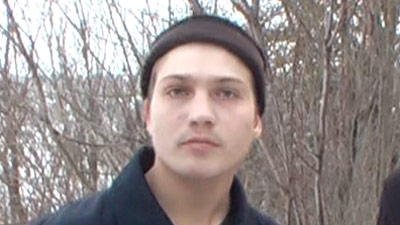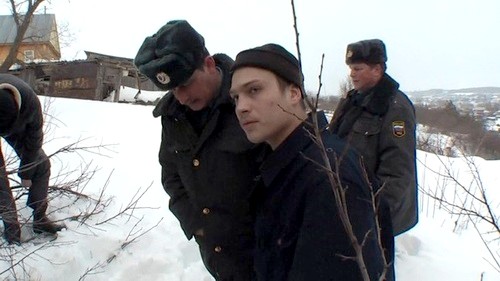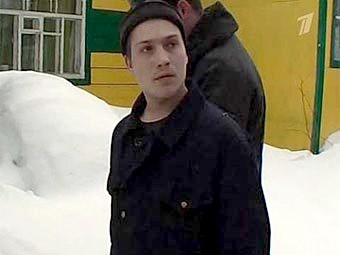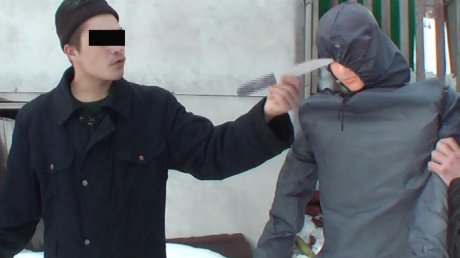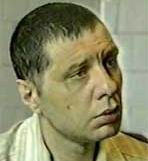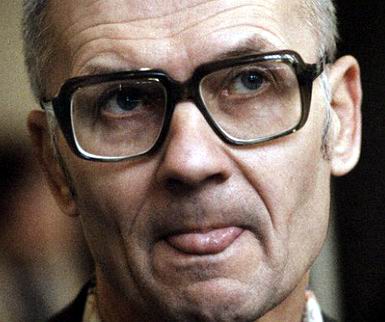




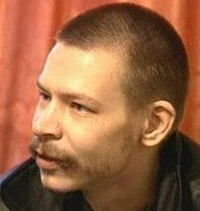
Forensic & Criminological Matrix
| Parameter | Forensic Detail |
|---|---|
| Forensic Heading / Aliases | The Belinsky Cannibal, Rambo |
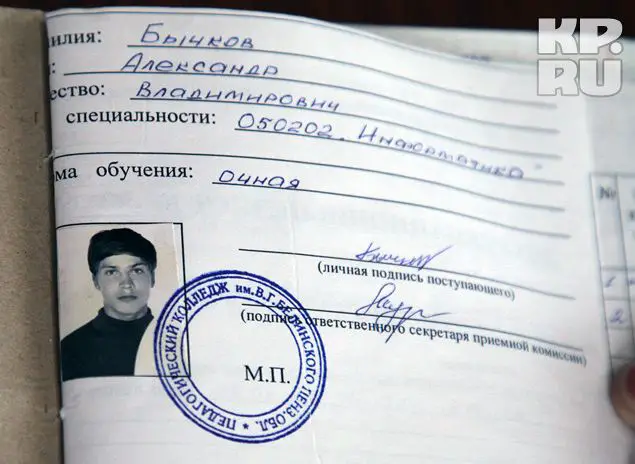
| Legal Identity | Alexander Vladimirovich Bychkov |
| Confirmed Victims | 9 |
| Attributed / Indicted Victims | 9 |
| Active Timeline | 2009 - 2012 |
| Jurisdiction / Area of Operations | Belinsky, Penza Oblast, Russia |
| Criminological Classification | Serial Killer / Cannibal |
| Forensic Modus Operandi | Stalking and targeting vulnerable local men, ambushing them with bladed weapons or blunt force in secluded areas, followed by dismemberment and partial anthropophagy (heart and liver consumption). |
| Weapon / Mechanism of Death | Knives, cutting tools, and blunt instruments |
| Motive / Behavioral Dynamics | Personality disorders, deep-seated emotional frustration following rejection, and a pathological pursuit of validation through extreme violence. |
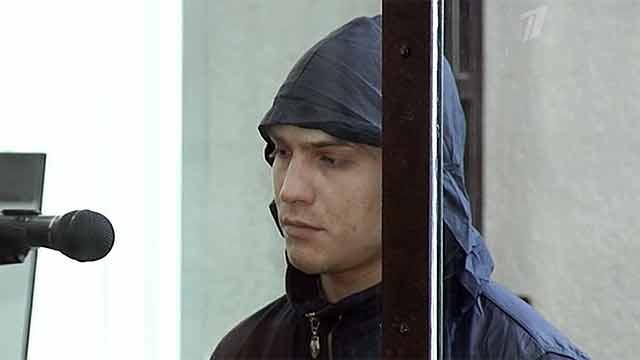
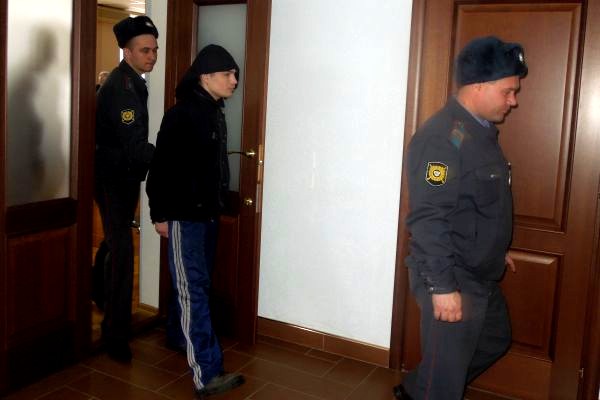
| Judicial Outcome | Sentenced to life imprisonment in a special-regime penal colony in March 2013. |
1. Background and Profile
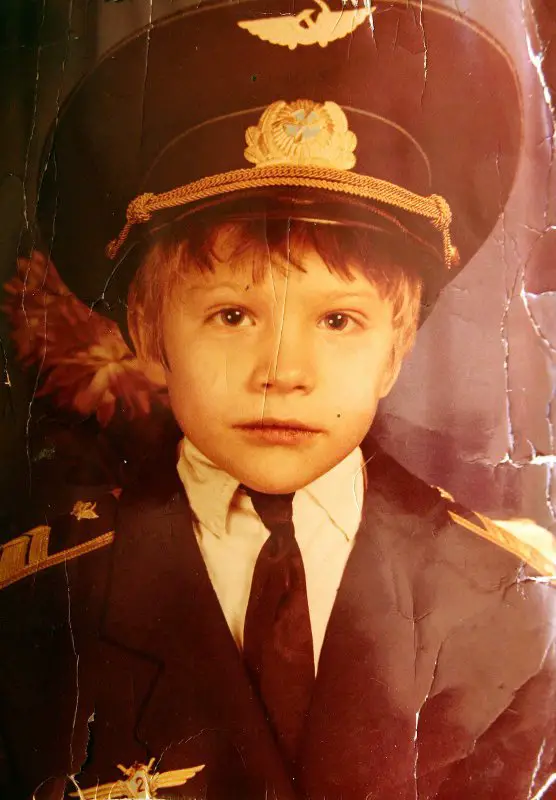
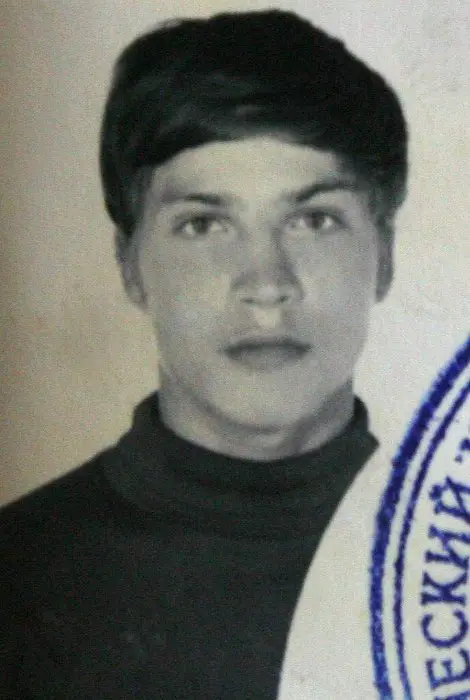
Alexander Vladimirovich Bychkov was born in 1988 in the small town of Belinsky, Penza Oblast, Russia. His upbringing and early adult life were characterized by marginalization and social maladjustment. According to psychological evaluations conducted during the investigation, Bychkov suffered from an intense inferiority complex, severely exacerbated by romantic rejections from partners who mocked his perceived weakness. In his personal journal, the killer explicitly noted how being labeled 'a spineless wimp' by his girlfriend triggered a psychological shift toward proving himself as a solitary, ruthless predator.
2. Crime Spree and Modus Operandi
Between 2009 and 2012, Bychkov murdered at least nine men in Belinsky. His targets were typically vulnerable individuals, such as local heavy drinkers or isolated townsmen whose sudden disappearances did not immediately trigger extensive police investigations. Bychkov lured or ambushed his victims in secluded ravines or his own backyard, utilizing knives and blunt instruments. Following the homicides, he meticulously dismembered the bodies. In several documented episodes detailed in both his diary and forensic examinations, he excised and consumed parts of his victims' internal organs—specifically the liver and heart—as part of a ritualistic display of dominance.
3. Investigation and Arrest
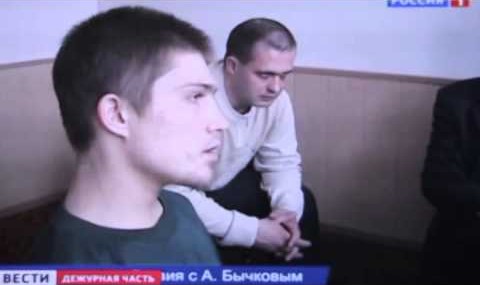
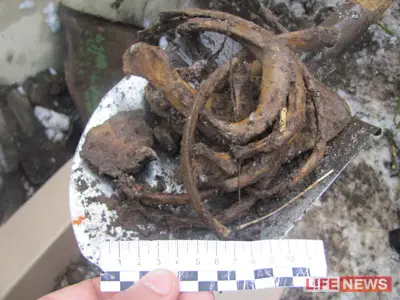
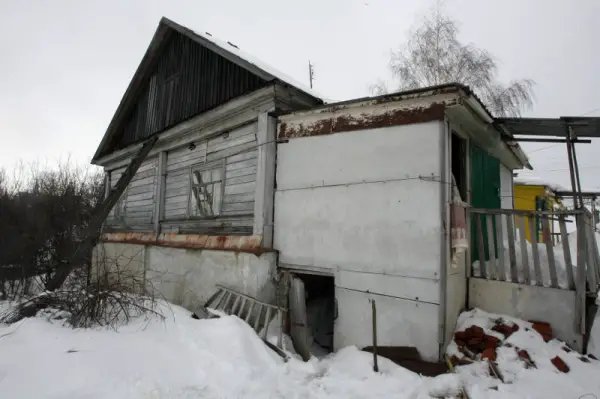
Bychkov's apprehension did not stem from an active homicide task force, but rather from a routine shoplifting arrest in March 2012. During subsequent police questioning regarding the theft, Bychkov unexpectedly began boasting about corpses he had buried near his home. Skeptical investigators inspected his property and uncovered multiple human remains buried in the backyard and nearby ravines. Cross-referencing missing persons reports from previous years conclusively linked Bychkov to a string of unsolved murders that had terrorized the local community quietly.
4. Legal Proceedings and Outcome
The discovery of the remains, coupled with the recovery of his explicit diary detailing the murders, led to multiple charges of premeditated murder and corpse desecration. The case shocked the Russian public and exposed systemic oversights in local missing-persons investigations, which had previously led to the wrongful conviction of an innocent man, Aleksandr Guplov, in 2011. Forensic evidence, psychiatric evaluations, and his own detailed confessions formed an airtight case for the prosecution.
5. Psychiatric Evaluation and Final Disposition
Court-appointed forensic psychiatrists determined that while Bychkov exhibited severe personality disorders and psychopathic traits, he remained fully accountable under the law. In March 2013, a Russian court sentenced him to life imprisonment to be served in a high-security penal colony. His case remains a chilling study in rural Russian serial homicide and pathological anthropophagy.