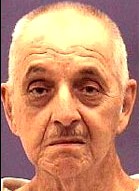
Forensic & Criminological Matrix
| Parameter | Forensic Detail |
|---|---|
| Forensic Heading / Aliases | The Great Plains Butcher, The Midnight Rider |
| Legal Identity | Eugene Butler |
| Confirmed Victims | 6 |
| Attributed / Indicted Victims | 6 |
| Active Timeline | Late 19th Century – 1913 |
| Jurisdiction / Area of Operations | North Dakota, United States |
| Criminological Classification | Itinerant Serial Killer / Paranoid Hermit |
| Forensic Modus Operandi | Stalking isolated rural targets, utilizing geographical vastness for ambushes and body concealment |
| Weapon / Mechanism of Death | Firearms and edged weapons |
| Motive / Behavioral Dynamics | Severe paranoid disorder, extreme social isolation, and psychopathy |
| Judicial Outcome | Deceased in 1913 prior to modern judicial finalization |
1. Background and Profile
Eugene Butler, historically designated as 'The Great Plains Butcher', operated across the sparsely populated landscapes of North Dakota. His profile exemplifies a paranoid recluse living on the fringes of society, exhibiting severe psychological disturbances marked by persecutory delusions and unprovoked violence.
2. Crime Spree
Butler exploited the geographical isolation of the American plains to execute his crimes with minimal risk of immediate detection. His methodology involved targeting isolated travelers or settlers, leveraging the vast terrain to eliminate witnesses and conceal remains.
3. Investigation and Manhunt
Law enforcement agencies faced monumental logistical hurdles investigating crimes across vast frontier territories. However, mounting circumstantial evidence and community suspicion eventually mapped Butler's pattern of depredations.
4. Legal Proceedings and Outcome
Butler's criminal career was terminated by his death in 1913, closing investigative avenues before comprehensive modern judicial and forensic frameworks could fully process the case.
5. Psychiatric Evaluation and Conclusion
Retrospective criminological assessment indicates that Butler suffered from profound paranoid psychosis. His death in 1913 permanently neutralized a significant historical threat within the North Dakota region.