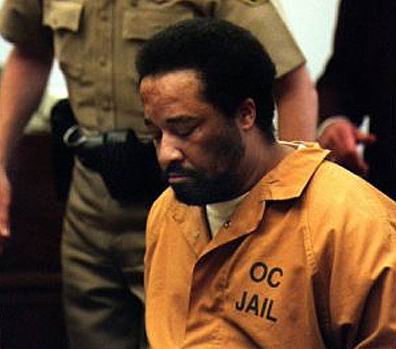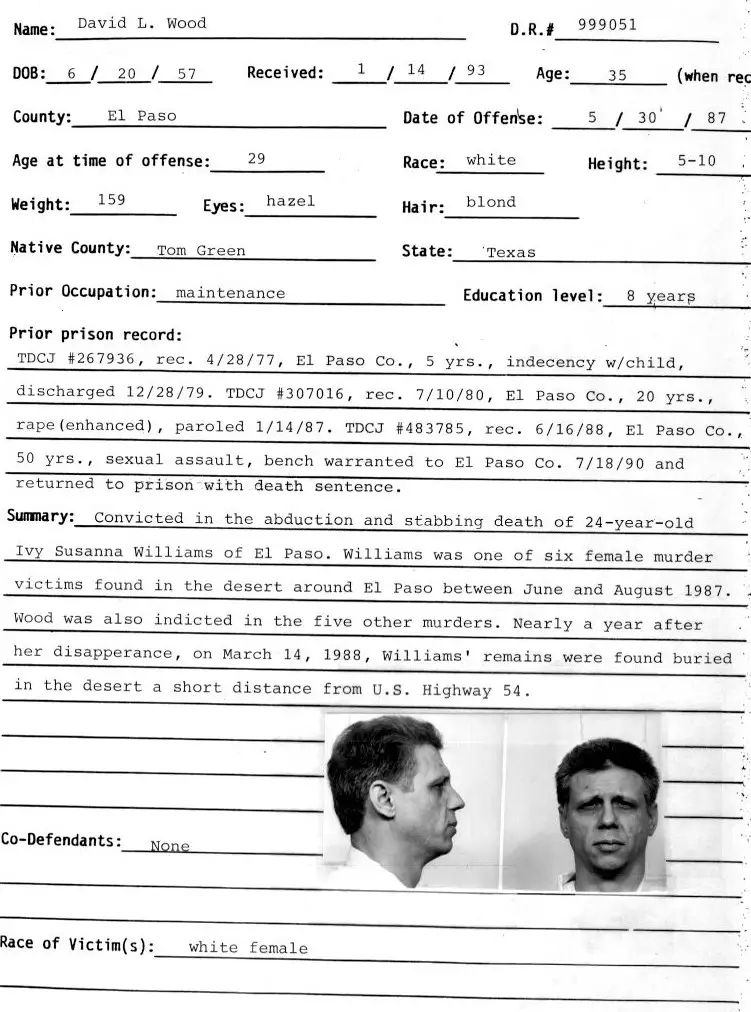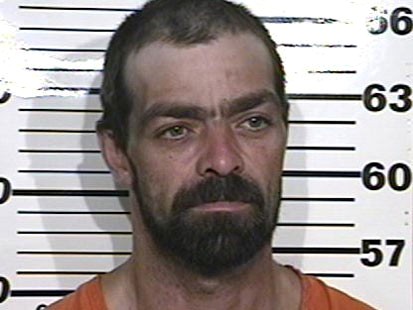





Forensic & Criminological Matrix
| Parameter | Forensic Detail |
|---|---|
| Forensic Heading / Aliases | Timothy Buss |
| Legal Identity | Timothy D. Buss |
| Confirmed Victims | 2 (Tara Sue Huffman, Christopher Meyer) |
| Attributed / Indicted Victims | 2 |
| Active Timeline | 1981 - 1995 |
| Jurisdiction / Area of Operations | Bradley and Aroma Park, Illinois, USA |
| Criminological Classification | Serial killer / Sexual predator of minors |
| Forensic Modus Operandi | Luring or abducting minors in recreational areas or riverbanks, sexual assault, mutilation, and concealing bodies in isolated wooded or state park areas. |
| Weapon / Mechanism of Death | Edged weapon (filet knife), strangulation, and blunt force trauma. |
| Motive / Behavioral Dynamics | Sexual deviance with sadistic impulses targeting children (homicidal pedophilia). |
| Judicial Outcome | Sentenced to death in 1996 for the murder of Christopher Meyer; prior 25-year sentence for the 1981 murder of Tara Sue Huffman from which he was paroled in 1993. |
1. Background and Profile
Timothy D. Buss exhibited a repeat and highly dangerous criminal trajectory targeting children. In 1981, at the age of thirteen, he kidnapped, sexually assaulted, and murdered five-year-old Tara Sue Huffman in Bradley, Illinois. For this crime, he was sentenced to 25 years in prison. However, after serving only 12 years, he was released on parole in 1993. While incarcerated, Buss demonstrated a complete lack of remorse, openly boasting about the murder of the young girl.
2. Crime Spree and Modus Operandi
Buss's criminal pattern was characterized by the opportunistic selection of minors in open public spaces, such as parks and riverbanks. On August 7, 1995, after observing nine-year-old Christopher Meyer riding his bicycle near a boat launch in Aroma Park, Buss approached the victim. He abducted the boy, subjected him to extreme violence involving sexual mutilation and over 50 stab wounds, and subsequently concealed the body in a shallow grave at Kankakee State Park, twenty miles away.
3. Investigation and Forensic Hunt
The disappearance of Christopher Meyer triggered a massive search operation. Multiple eyewitnesses placed a man matching Buss's description, along with his distinctive vehicle, near the boat launch and the burial site. Forensic evidence proved decisive: searchers recovered the victim's clothing and bicycle, while DNA testing on blood found in the trunk of Buss's car and on boots he attempted to discard irrefutably linked him to the crime.
4. Legal Proceedings and Outcome
Timothy Buss was arrested and charged with multiple counts of first-degree murder, aggravated kidnapping, and aggravated unlawful restraint. During his 1996 trial in Will County, the prosecution presented a robust body of physical and testimonial evidence, including eyewitness accounts and forensic expert testimony. The jury deliberated for a brief period before finding him guilty on all charges and sentencing him to death.
5. Psychiatric Evaluation and Aftermath
From a criminological standpoint, Buss epitomizes the profile of an unrepentant, recidivist sexual predator. His rapid reoffending following parole exposed critical flaws in risk assessment systems and child protection protocols within the Illinois correctional system, directly influencing subsequent community notification legislation regarding sex offenders.