



Forensic & Criminological Matrix
| Parameter | Forensic Detail |
|---|---|
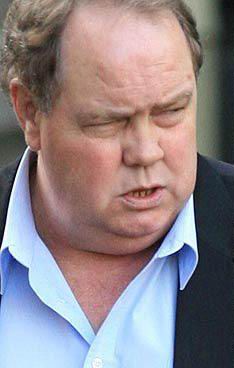
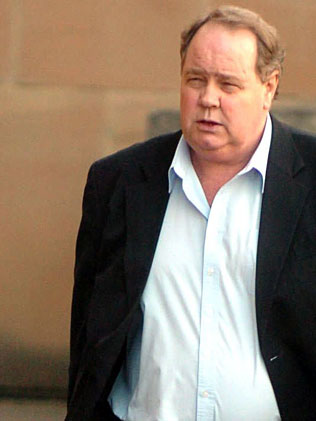
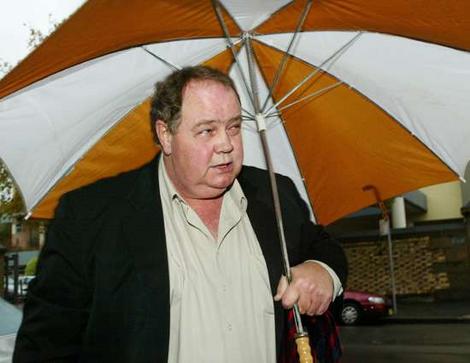
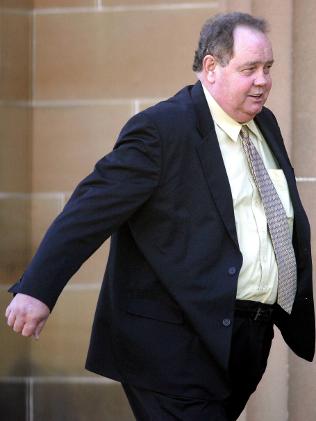
| Forensic Heading / Aliases | Bruce Burrell |
| Legal Identity | Bruce Allan Burrell |
| Confirmed Victims | 2 (Dorothy Davis and Kerry Whelan) |
| Attributed / Indicted Victims | 2 |
| Active Timeline | 1995 - 1997 |
| Jurisdiction / Area of Operations | Sydney and Bungonia region, New South Wales (Australia) |
| Criminological Classification | Serial / Financial Motive Murderer |
| Forensic Modus Operandi | Exploiting personal trust to secure large loans or financial transactions from wealthy acquaintances, followed by premeditated homicide and transportation of victims' bodies to isolated rural properties for permanent concealment. |
| Weapon / Mechanism of Death | Undetermined exact forensic mechanism (asphyxia or blunt force trauma, coupled with body disposal) |
| Motive / Behavioral Dynamics | Financial enrichment, elimination of creditors, and concealment of personal insolvency |
| Judicial Outcome | Convicted and sentenced to life imprisonment plus consecutive terms for the murders of Dorothy Davis and Kerry Whelan. Died in prison custody in 2016. |
1. Background and Profile
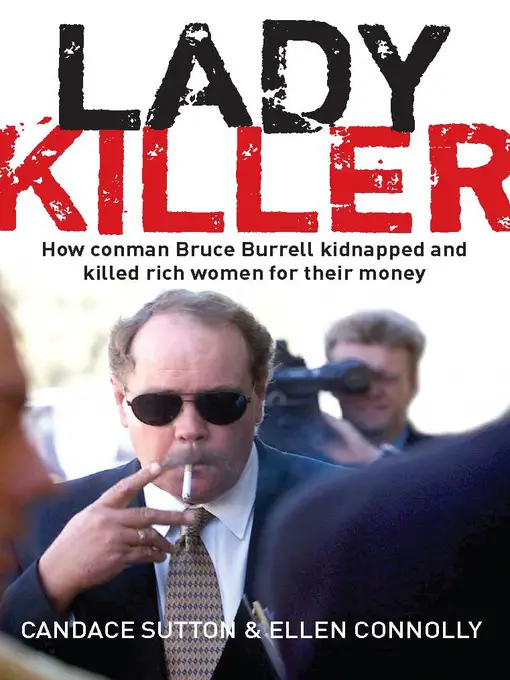
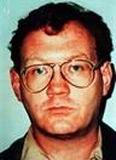
Bruce Allan Burrell was born on January 25, 1953, in Australia. Formerly working as an advertising executive until September 1992, Burrell subsequently became unemployed and relied financially on his wife, Dallas Bromley, whose social circle included wealthy and vulnerable individuals. Burrell masked his failing financial standing and mounting debts by manipulating trusting acquaintances for funds.
2. Crime Spree and Modus Operandi
Burrell's criminal pattern centered on exploiting personal relationships to acquire substantial short-term loans. When victims demanded repayment or threatened legal exposure, Burrell resorted to premeditated murder.
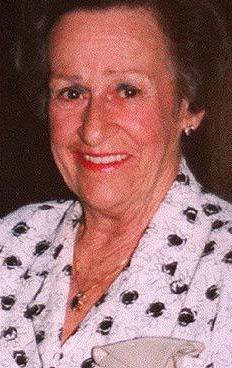
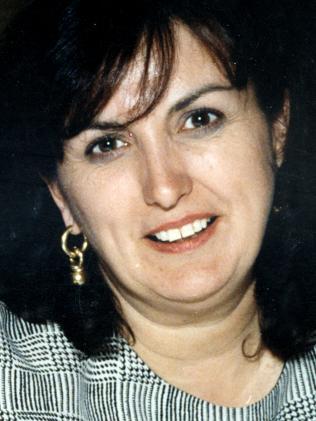
On May 30, 1995, he lured 74-year-old Dorothy Davis to a property under false pretenses. Following her murder, he transported her body overnight in a four-wheel-drive vehicle to an isolated 500-acre farm named "Hillydale" in Bungonia, approximately three hours from Sydney, successfully concealing her remains. In 1997, he executed a structurally similar crime against 39-year-old Kerry Whelan. In both cases, the bodies were never recovered, depriving families of physical closure.
3. Investigation and Forensic Pursuit
New South Wales police launched an exhaustive investigation following Dorothy Davis's disappearance, centered on a suspicious $100,000 cheque and witness testimonies confirming that Davis was actively pressing Burrell for repayment. Forensic financial analysis exposed Burrell's severe cash-flow deficit and desperate reliance on funds. Despite the absence of bodies or direct forensic trace evidence at the primary murder scenes, circumstantial evidence, vehicle tracking, and witness accounts built an airtight case.
4. Legal Proceedings and Outcome
Following his arrest, Burrell stood trial and was convicted by a jury in September 2007 for the murder of Dorothy Davis, initially receiving a long-term prison sentence. Subsequent trials for the murder of Kerry Whelan resulted in additional convictions, culminating in a sentence of life imprisonment plus 44 years. Burrell maintained his silence regarding the whereabouts of both victims throughout his incarceration.
5. Psychological Evaluation and Resolution
Criminologically, Burrell displayed textbook psychopathic traits: calm deception, remorseless manipulation of trusted networks, and absolute coldness in executing financial predatorship. He remained incarcerated within the Australian correctional system until his death on August 4, 2016, at the age of 63, while still in custody at the Prince of Wales Hospital in Randwick due to lung and liver cancer.