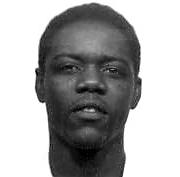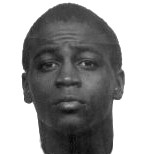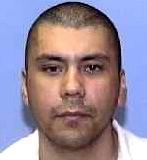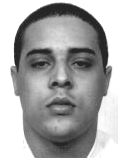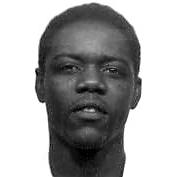





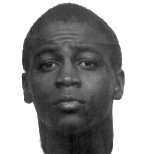
Forensic & Criminological Matrix
| Parameter | Forensic Detail |
|---|---|
| Forensic Heading / Aliases | William Kendrick Burns |
| Legal Identity | William Kendrick Burns |
| Confirmed Victims | 1 (Johnny Lynn Hamlett) |
| Active Timeline | 1980 - 1981 |
| Jurisdiction / Area of Operations | Texarkana, Texas, United States |
| Criminological Classification | Retaliatory homicide offender / Capital murderer |
| Forensic Modus Operandi | Nighttime industrial plant intrusion, stalking through structural gaps, and point-blank execution using firearms |
| Weapon / Mechanism of Death | .22-caliber Winchester rifle and .22-caliber handgun (multiple gunshot wounds) |
| Motive / Behavioral Dynamics | Workplace revenge following termination and financial robbery |
| Judicial Outcome | Sentenced to death three times (final sentence in 1989); executed on April 11, 2002 |
1. Background and Profile
William Kendrick Burns was born in 1958 in Texas. Prior to his criminal offenses, he was employed as a nighttime boiler operator at a wood-preserving and creosote plant in Texarkana. Two months before the capital murder, Burns was fired from his position, fostering intense resentment toward company management. Court records note that he left a threatening note for the company president promising retaliation.
2. Crime Spree and Modus Operandi
On March 28, 1981, William Kendrick Burns, accompanied by his brother Victor Burns and Danny Ray Harris, returned to the creosote plant where Burns had previously worked. Eighteenth-year-old high school senior Johnny Lynn Hamlett was covering the late boiler operator shift. After peering through a crack in the tin walls, Burns and his accomplices opened fire. Hamlett sustained 14 gunshot wounds to the neck, chest, and head. Following the execution, the perpetrators stole the victim's wallet, cash, and personal identification before fleeing.
3. Investigation and Forensic Pursuit
The investigation quickly focused on Burns due to his employment history and recent firing. Following tips, Burns directed authorities to a discarded coffee can containing Hamlett’s driver's license, Social Security card, and school ID, alongside a traffic ticket issued to Burns. Upon arrest, Burns was found in possession of Hamlett's wallet. Police subsequently recovered the .22-caliber Winchester rifle used in the crime from the attic of Burns' mother's residence, with ballistics confirming a match to bullets recovered from the victim.
4. Legal Proceedings and Outcome
Burns' legal history involved extensive appellate battles and retrials. Initially convicted and sentenced to death alongside his brother in September 1981, the conviction was overturned in 1985 due to jury charge errors. After a second conviction was reversed over excluded mitigating evidence, Burns was tried for a third time and sentenced to death on August 25, 1989. Subsequent state and federal habeas corpus petitions, as well as appeals to the U.S. Supreme Court, were ultimately denied.
5. Psychiatric Assessment and Execution
Throughout judicial proceedings, prosecutors introduced evidence regarding Burns' involvement in prior violent acts, including a February 1980 homicide and kidnapping incident. Finding no mitigating mental disorders sufficient to invalidate culpability, courts upheld the death penalty. With all legal avenues exhausted, William Kendrick Burns was executed by lethal injection on April 11, 2002, in Huntsville, Texas.