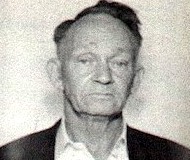





Forensic & Criminological Matrix
| Parameter | Forensic Detail |
|---|---|
| Forensic Heading / Aliases | Joseph Burns / New Zealand's First Executed Criminal |
| Legal Identity | Joseph Burns |
| Confirmed Victims | 3 (Lieutenant Robert Snow, his wife Hannah, and their infant daughter Mary) |
| Attributed / Indicted Victims | 3 |
| Active Timeline | October 22, 1847 |
| Jurisdiction / Area of Operations | Devonport Naval Base, North Shore, Auckland, New Zealand |
| Criminological Classification | Multiple murderer / Profit-driven offender and opportunistic killer |
| Forensic Modus Operandi | Nocturnal forced entry, bladed and blunt force trauma (tomahawk and knife), post-mortem mutilation, and deliberate arson to frame indigenous populations |
| Weapon / Mechanism of Death | Tomahawk, knife, and fire |
| Motive / Behavioral Dynamics | Financial gain (theft of £12 in naval pay) and witness elimination, exacerbated by chronic alcoholism and head trauma |
| Judicial Outcome | Convicted of wilful murder by Chief Justice William Martin and hanged on June 17, 1848 |
1. Background and Profile
Joseph Burns was born in Liverpool, England, around 1805 or 1806 to Irish parents. In his youth, he enlisted in the British Royal Navy as a ship's carpenter. He arrived in New Zealand in 1840 aboard the ship Buffalo, which subsequently wrecked at Mercury Bay. After receiving his discharge, Burns settled in Auckland, where he worked intermittently as a carpenter and farm laborer. He developed a reputation for severe heavy drinking, which he attributed to chronic headaches stemming from a prior head injury sustained in a fall from a ship's mast.
2. Crime Spree and Modus Operandi
On October 22, 1847, driven by financial desperation and unemployment following dismissals for theft, Burns targeted the home of Royal Navy Lieutenant Robert Snow at the Devonport naval base in Auckland. Seeking to steal a chest containing £12 in naval pay, Burns brutally murdered Lieutenant Snow, his wife Hannah, and their baby daughter Mary using a tomahawk and a knife. To conceal the robbery and deflect suspicion away from himself, he mutilated the victims' bodies and set fire to the cottage, attempting to frame local Maori inhabitants for the massacre.
3. Investigation and Forensic Hunt
The fire was spotted in the early hours by a signalman, prompting a naval response from the HMS Dido. Upon extinguishing the flames, authorities uncovered the mutilated and burned remains. Initial panic gripped the colony as colonial fears of an impending Maori uprising were stoked by planted evidence and local tensions. However, meticulous police inquiries and witness corroboration gradually dismantled Burns's alibi and exposed his sudden influx of cash and erratic behavior.
4. Legal Proceedings and Outcome
Months later, following a drunken assault on his partner Margaret Reardon after she refused to marry him—a move intended to prevent her testimony—Burns was arrested and sentenced to transportation for life for grievous bodily harm. Fearing Reardon would betray him regarding the Snow murders, Burns coerced her into supporting a false confession before turning on her. On June 1, 1848, a formal murder trial commenced where Reardon confessed her perjury and detailed Burns's true actions. Chief Justice William Martin found Burns guilty of wilful murder.
5. Psychiatric Evaluation and Execution
While not clinically psychotic, Burns exhibited profound behavioral deterioration fueled by chronic alcohol abuse and organic brain damage resulting from his earlier mast fall, which significantly impaired his impulse control. On June 17, 1848, after issuing a comprehensive final confession, Burns was transported across the harbor to the exact site of his crime at the naval base and hanged before a large crowd of settlers and indigenous witnesses, marking the first legal execution of a European in New Zealand.