


Forensic & Criminological Matrix
| Parameter | Forensic Detail |
|---|---|
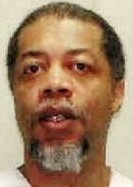
| Forensic Heading / Aliases | Gregory Bryant-Bey |
| Legal Identity | Gregory L. Bryant-Bey |
| Confirmed Victims | 2 (Dale Pinkelman, Peter Mihas) |
| Active Timeline | August - November 1992 |
| Jurisdiction / Area of Operations | Toledo, Ohio (United States) |
| Criminological Classification | Serial killer / Armed robber |
| Forensic Modus Operandi | Blade attacks targeting the chest in commercial premises, followed by theft and a distinct ritualistic signature (removal of trousers and neat alignment of shoes next to the corpse). |
| Weapon / Mechanism of Death | Knife / Penetrating stab wounds to the thorax |
| Motive / Behavioral Dynamics | Financial gain driven by armed robberies, compounded by ritualistic post-mortem staging. |
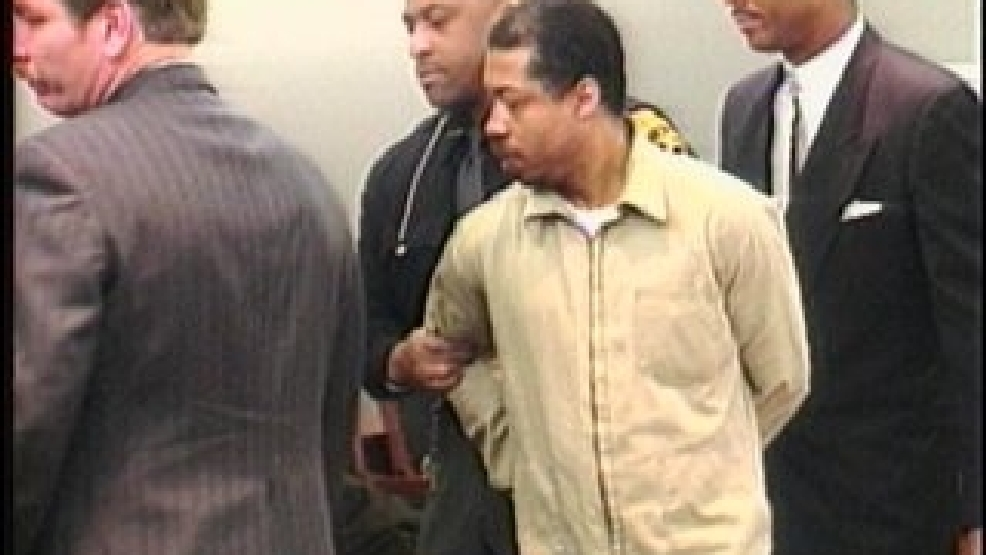
| Judicial Outcome | Sentenced to death for the murder of Dale Pinkelman and life imprisonment for Peter Mihas; executed by lethal injection on November 19, 2008, at the Southern Ohio Correctional Facility. |
1. Background and Profile
Gregory L. Bryant-Bey was born on August 6, 1955. With a prior criminal record involving property crimes and robberies, he operated primarily within the Toledo, Ohio area. His criminological profile merged financial motivation with peculiar behavioral markers at crime scenes that established a recognizable forensic signature.
2. Crime Spree and Modus Operandi
His first proven murder occurred on August 9, 1992, when Bryant-Bey robbed 'Pinky's Collectibles' in Toledo, fatally stabbing 48-year-old owner Dale Pinkelman in the chest. Beyond stealing merchandise and cash, the crime scene exhibited a puzzling signature: Pinkelman's trousers had been removed, and his shoes were placed neatly beside his body.
Months later, on November 3, 1992, Bryant-Bey executed a strikingly similar attack outside 'The Boardroom' restaurant, murdering owner Peter Mihas with multiple stab wounds to the chest. True to his pattern, Mihas's trousers were also removed, and his shoes meticulously aligned next to the corpse.
3. Investigation and Forensic Hunt
The breakthrough in the investigation came following the Mihas murder. A police informant implicated Bryant-Bey, who was soon tracked down at the Riverview Inn carrying large amounts of cash. Upon his arrest on outstanding misdemeanor warrants, investigators located Pinkelman's stolen car parked just blocks from Bryant-Bey's residence.
Subsequent forensic analysis matched latent fingerprints and palm prints recovered from a glass display case at Pinkelman's store to Bryant-Bey. Confronted with mounting physical evidence and the unique crime scene similarities, authorities linked him conclusively to both homicides.
4. Legal Proceedings and Outcome
The state prosecuted the two murder cases separately. In the trial regarding Peter Mihas, a jury convicted Bryant-Bey of aggravated murder and robbery, recommending life imprisonment with parole eligibility after thirty years. In the subsequent trial for Dale Pinkelman's murder, the jury convicted him on all counts, factoring in the aggravating circumstance of the robbery, and recommended the death penalty.
5. Psychiatric Evaluation and Execution
Throughout his appeals and clemency hearings, Bryant-Bey maintained his innocence and claimed he had been framed by local law enforcement. Courts repeatedly rejected these claims of ineffective assistance of counsel and fabricated evidence. Gregory Bryant-Bey was executed by lethal injection at the Southern Ohio Correctional Facility on November 19, 2008.