



Forensic & Criminological Matrix
| Parameter | Forensic Detail |
|---|---|
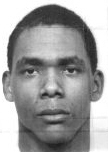
| Forensic Heading / Aliases | Kenneth Eugene Bruce |
| Legal Identity | Kenneth Eugene Bruce |
| Confirmed Victims | 1 (Helen Elizabeth Ayers; Richard Ayers survived with permanent paralysis) |
| Active Timeline | December 10, 1990 |
| Jurisdiction / Area of Operations | Prosper, Collin County, Texas, United States |
| Criminological Classification | Homicidal offender / Home invasion robbery with homicide |
| Forensic Modus Operandi | Feigning car trouble to gain residential entry, subduing victims, detaining them in a bedroom, and executing close-range ballistic attacks |
| Weapon / Mechanism of Death | Firearm (handgun) / Multiple gunshot wounds |
| Motive / Behavioral Dynamics | Minor financial gain (theft of $10 and cheap jewelry) / Group coercion |
| Judicial Outcome | Convicted of capital murder in February 1992; sentenced to death; executed by lethal injection on January 14, 2004 |
1. Background and Profile
Kenneth Eugene Bruce was born in 1971 into a severely dysfunctional and impoverished domestic environment. His mother was only 14 years old when she gave birth to him. Post-conviction appeals highlighted a childhood marred by extreme neglect, instability, and abandonment. Prior to his involvement in the capital crime, Bruce worked as a pizza delivery driver and had no prior history of serious criminal convictions.
2. Crime Spree and Modus Operandi
On December 10, 1990, 19-year-old Kenneth Bruce and his 15-year-old cousin Anthony Bruce approached the rural home of Richard and Helen Ayers in Prosper, Texas, under the false pretext of experiencing car trouble and needing jumper cables. Richard Ayers, 58, welcomed them inside to help and warmth while he attempted to locate equipment.
At that moment, two armed accomplices, Eric Lynn Moore and Sam Andrews Jr., forced their way through the front and rear doors. The perpetrators subdued the homeowners, stole a wallet and purse, and moved the couple to the master bedroom, forcing them face down onto a mattress. The offenders then opened fire. Helen Ayers, 54, sustained multiple gunshot wounds, including a fatal bullet to the head during a secondary round of gunfire in which Kenneth Bruce admitted participating. Richard Ayers was severely wounded and permanently paralyzed from the waist down, remaining conscious beside his deceased wife for roughly three hours until their son returned home.
3. Police Investigation and Forensic Hunt
The investigation commenced immediately after the victims were discovered. Two co-conspirators, Eric Moore and Sam Andrews, surrendered to authorities within days. The Bruce cousins were apprehended four days later. During police interrogations, Kenneth Bruce confessed to his presence at the crime scene and guided detectives to a field where the stolen property had been discarded. Additional evidence belonging to the victims was recovered inside his vehicle.
4. Legal Proceedings and Outcome
Kenneth Bruce was tried and convicted of capital murder in February 1992 by a Texas court and sentenced to death. The Texas Court of Criminal Appeals affirmed the conviction and sentence in February 1995. Subsequent state and federal appeals raised claims of ineffective assistance of counsel—notably the failure to present mitigating evidence regarding his abusive and neglected upbringing—as well as constitutional challenges against lethal injection protocols. All appeals were ultimately rejected.
5. Psychiatric Evaluation and Execution
Criminological assessment indicates a follower dynamic within a group crime where minimal prospective gain (less than $10 and inexpensive jewelry) escalated into disproportionate, fatal violence designed to eliminate witnesses. On January 14, 2004, following the denial of final stays by the U.S. Supreme Court, Kenneth Eugene Bruce was executed via lethal injection at the Huntsville State Penitentiary in Texas. In his final statement from the execution gurney, he apologized to the victim's family and expressed love to his relatives.