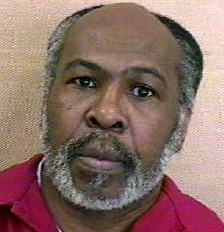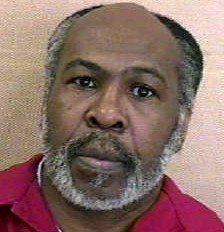





Forensic & Criminological Matrix
| Parameter | Forensic Detail |
|---|---|
| Forensic Heading / Aliases | Willie Brown Jr. |
| Legal Identity | Willie Brown Jr. |
| Confirmed Victims | 1 (Vallerie Ann Roberson Dixon) |
| Active Timeline | 1983 |
| Jurisdiction / Area of Operations | Williamston, North Carolina, United States |
| Criminological Classification | Felony Murderer / Armed Robber |
| Forensic Modus Operandi | Commercial armed robbery, abduction of clerk, vehicle theft, and execution-style murder in a remote wooded area |
| Weapon / Mechanism of Death | .32 caliber six-shot revolver (six gunshot wounds) |
| Motive / Behavioral Dynamics | Financial gain / Elimination of witnesses during armed robbery |
| Judicial Outcome | Sentenced to death for first-degree murder and 40 years for armed robbery (Executed by lethal injection on April 21, 2006) |
1. Background and Profile
Willie Brown Jr. was an American criminal with a prior record operating in North Carolina. His behavioral profile reflects instrumental violence, escalating from property crimes to lethal elimination of witnesses to avoid identification.
2. Crime Spree and Modus Operandi
In 1983, Brown targeted a Zip Mart convenience store in Williamston, North Carolina. He robbed the cash register of roughly $90 and forced the clerk, Vallerie Ann Roberson Dixon, to surrender her car keys and accompany him. Driving away in her vehicle, he transported her to an isolated logging road approximately five miles outside of town, where he shot her six times, leaving her body face down.
3. Police Investigation and Forensic Pursuit
Prompt reporting of the clerk's disappearance triggered a localized dragnet. Police officers spotted the victim's vehicle traveling along Highway 64. Following a low-speed pursuit, officers successfully halted the car and took Brown into custody. A search of the vehicle yielded a .32 caliber revolver, the stolen cash, and the victim's personal identification. Search parties discovered Dixon's body the following morning.
4. Legal Proceedings and Trial
During interrogation, Brown denied knowledge of the clerk's whereabouts, claiming he had left her unharmed. Forensic evidence, ballistics, and direct possession of the stolen goods dismantled his defense. On November 15, 1983, a Martin County Superior Court jury convicted him of capital murder and armed robbery with a dangerous weapon, issuing a sentence of death.
5. Psychological Evaluation and Execution
For over two decades, Brown's legal team mounted extensive appeals challenging North Carolina's lethal injection protocol. His execution made history as the first in the state—and potentially nationwide—to utilize a bispectral index (BIS) monitor to track brain waves and ensure unconsciousness during the procedure. Following the denial of clemency by Governor Mike Easley and the rejection of final appeals by the U.S. Supreme Court, Willie Brown Jr. was executed at Central Prison in Raleigh, being pronounced dead at 2:11 a.m. on April 21, 2006.