




Forensic & Criminological Matrix
| Parameter | Forensic Detail |
|---|---|
| Forensic Heading / Aliases | Blade |
| Legal Identity | Raymond Eugene Brown |
| Confirmed Victims | 5 (3 relatives in 1960; his girlfriend and her daughter in 1987) |
| Attributed / Indicted Victims | 5 |
| Active Timeline | 1960 - 1987 |
| Jurisdiction / Area of Operations | Alabama, United States |
| Criminological Classification | Serial Killer / Hyperviolent Offender |
| Forensic Modus Operandi | Large knife attacks, multiple stab wounds, body cavity evisceration, peri-mortem/post-mortem sexual assault, and leaving visual signatures (Polaroid photographs) |
| Weapon / Mechanism of Death | Long-bladed knife, strangulation, and blunt physical force |
| Motive / Behavioral Dynamics | Severe psychopathy, sadistic sexual gratification, and explosive homicidal rage |
| Judicial Outcome | Sentenced to death (died on death row in 2008) |
1. Background and Profile
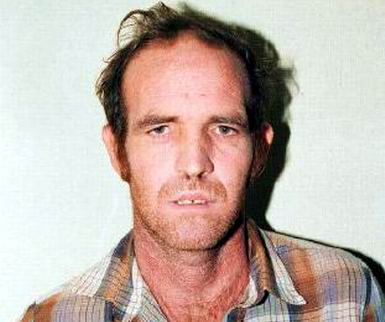
Raymond Eugene Brown was born in 1946 and exhibited extreme violence from an early age. In 1960, at just 14 years old, he committed his first mass homicidal act by brutally murdering three relatives, including his aunt, inflicting over a hundred stab marks in a crime that shocked authorities due to its severe sexual undertones and savagery. He was tried as an adult, confessed without a rational motive, and was imprisoned.
2. Crime Spree
Despite the gravity of his juvenile offenses, Brown earned the nickname "Blade" in prison and was paroled in 1973 after serving 12 years. Following subsequent criminal acts and parole violations—including an attempted strangulation of his landlord in 1980—he was released again in 1986.
In August 1987 in Montgomery, Alabama, Brown unleashed his second major killing spree, targeting his 32-year-old live-in girlfriend, Linda LeMonte, and her 10-year-old daughter, Shelia Smoke. Autopsies revealed unprecedented sadism: Linda sustained a 27-inch cut from throat to pubis, completely exposing her abdominal cavity, alongside wounds to her breasts and genitalia. Young Shelia was sexually assaulted and stabbed multiple times, with the knife blade left embedded in her abdomen. As a chilling signature, Brown snapped a Polaroid photograph of Linda's body and left it atop the television.
3. Investigation and Arrest
Discovery of the bodies occurred on August 10, 1987, after relatives and Linda's employer raised alarms. Forensic criminalists recovered Brown's thumbprint on the Polaroid photograph and traces of Linda's blood in his apartment. Remarkably, hours before the bodies were found, Brown was involved in a traffic accident and confessed to drunkenness to a state trooper, who let him walk away, granting the fugitive a critical head start. Following a massive 48-hour manhunt, Brown was recognized by a gas station attendant in Wallsboro and taken into custody.
4. Legal Proceedings and Outcome
The murders sparked massive public outrage and intense criticism directed at the Alabama Board of Pardons and Paroles for leniency. During legal proceedings, defense counsel argued that pretrial publicity compromised the trial, initiating a 12-year legal odyssey that reached the United States Supreme Court. Ultimately, Brown's conviction and death sentence were upheld.
5. Psychiatric Evaluation and Final Disposition
Forensic psychiatrists classified Brown as a severe psychopath characterized by deep-seated sexual sadism and a total lack of empathy. After decades of appeals on Alabama's death row, Brown died of natural causes in 2008 while awaiting execution.