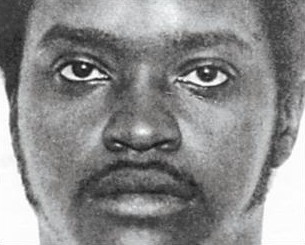





Forensic & Criminological Matrix
| Parameter | Forensic Detail |
|---|---|
| Forensic Heading / Aliases | John Ashley Brown |
| Legal Identity | John Ashley Brown Jr. |
| Confirmed Victims | 1 (Omer Laughlin) |
| Active Timeline | September 7, 1984 |
| Jurisdiction / Area of Operations | New Orleans, Louisiana, United States |
| Criminological Classification | Robbery-Homicide Perpetrator / Capital Offender |
| Forensic Modus Operandi | Nighttime street ambush, violent physical subjugation, multiple stab wounds using a Bowie knife, and coordinated escape via getaway vehicle |
| Weapon / Mechanism of Death | Bowie knife (13 stab wounds) |
| Motive / Behavioral Dynamics | Financial gain (robbery) compounded by severe substance abuse disorder (illicit synthetic drugs, cocaine, heroin) and impoverished upbringing |
| Judicial Outcome | Sentenced to death in Louisiana in 1985; executed in 1997 following exhaustive federal habeas corpus reviews |
1. Background and Psychopathy
John Ashley Brown Jr. was raised in an environment characterized by extreme poverty and socioeconomic deprivation. From an early age, he developed a severe substance abuse disorder, regularly injecting heroin, cocaine, and Mandex (a bootleg quaalude). Relatives and subsequent expert testimonies indicated that Brown exhibited severe behavioral abnormalities while under the influence of narcotics, exacerbated by a dysfunctional and impoverished upbringing.
2. Crime Spree
On September 7, 1984, Omer Laughlin and his wife were returning to their parked vehicle after dinner at a New Orleans restaurant. Brown, lying in wait inside a vehicle operated by accomplice Anna Hardeman, ambushed the couple. He shoved them against their car and demanded money. As Mr. Laughlin handed over his wallet, Mrs. Laughlin screamed and fled toward the restaurant. In her absence, Brown brutally attacked Omer Laughlin, inflicting thirteen stab wounds with a Bowie knife before stealing his belongings and identification cards.
3. Investigation and Arrest
Mrs. Laughlin provided police with a detailed description of the assailant and the getaway vehicle operated by a dark-haired woman. Shortly thereafter, an off-duty police officer who monitored the radio dispatch spotted the car entering a service station. Observing Brown washing his hands at a water hose and noting fresh scratches and blood on his forearms and feet, the officer apprehended Brown and Hardeman. Inside the vehicle, authorities recovered the victim's wallet, the Bowie knife, and personal cards.
4. Legal Proceedings and Outcome
Brown and Hardeman were indicted for first-degree murder on September 20, 1984. During the June 1985 trial, Brown's defense conceded the physical acts but contested the specific intent required for first-degree murder, citing acute voluntary intoxication. During the penalty phase, defense witnesses testified regarding his history of intravenous drug abuse and impoverished childhood. Nonetheless, the jury unanimously found two statutory aggravating factors: commission during an armed robbery and an especially heinous, atrocious, and cruel manner. The jury returned a death sentence, which was affirmed by the Louisiana Supreme Court in 1987.
5. Psychiatric Evaluation and Final Disposition
Throughout state and federal post-conviction habeas corpus proceedings—culminating in rulings by the U.S. Court of Appeals for the Fifth Circuit in January 1997—Brown's defense challenged the conviction on grounds of prosecutorial misconduct, ineffective assistance of counsel, and jury instruction defects regarding reasonable doubt. Prosecution experts disputed the severity of his drug dependency, noting a lack of physical track marks or acute withdrawal symptoms in prison records. Following the denial of federal relief under the AEDPA standards, Brown's execution was carried out in 1997.