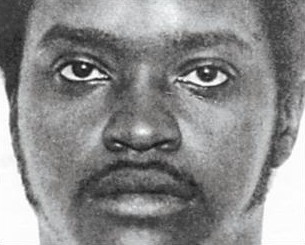





Forensic & Criminological Matrix
| Parameter | Forensic Detail |
|---|---|
| Forensic Heading / Aliases | Gary Leon Brown |
| Legal Identity | Gary Leon Brown |
| Confirmed Victims | 1 (Jack David McGraw) |
| Active Timeline | May 26, 1986 |
| Jurisdiction / Area of Operations | Pinson / Birmingham, Alabama, USA |
| Criminological Classification | Co-perpetrator / Lucrative Homicide (Robbery-Homicide) |
| Forensic Modus Operandi | Premeditated ambush at victim's residence, physical subjugation, mass stabbing frenzy (over 70 wounds), and subsequent destruction of evidence via burning blood-stained apparel. |
| Weapon / Mechanism of Death | Pocketknife, skillet, and butcher knife |
| Motive / Behavioral Dynamics | Financial gain through robbery; chronic substance abuse history |
| Judicial Outcome | Sentenced to death in 1986; executed by lethal injection on April 25, 2003, at Holman Prison in Atmore, Alabama. |
1. Background and Profile
Gary Leon Brown was born in 1958. His early and adult life were heavily defined by severe substance abuse, having initiated drug use during junior high school. Unlike peers who abandoned narcotics to pursue productive paths, Brown's persistent drug dependency anchored him within marginalized and delinquent circles throughout Alabama, ultimately setting the stage for his involvement in capital crime.
2. Crime Spree and Modus Operandi
On May 26, 1986, following a day of fishing and alcohol consumption with Archie Bankhead, James Lynn Bynum, and Jimmy Davenport, Brown and his associates visited a Birmingham lounge. While drinking, they conspired to rob Jack David McGraw at his home in Pinson, Alabama. McGraw, a 60-year-old Korean War veteran, was acquainted with the men and had occasionally engaged in paid sexual encounters with them.
Upon arriving at McGraw's residence, the victim stated he could not socialize because he had to work the following morning. As the men pretended to leave, Bankhead placed McGraw in a headlock, while Brown and Bynum struck him. They dragged McGraw back inside his home. Brown admitted to repeatedly stabbing the victim in the back with a pocketknife, while accomplices used a skillet and a butcher knife to inflict catastrophic wounds to the neck that nearly caused decapitation. Following the murder, the trio loaded household appliances and cash into a car, divided the spoils, and burned their bloodied clothing.
3. Investigation and Forensic Hunt
McGraw's body was discovered the following afternoon by neighborhood children. Jefferson County Sheriff's deputies traced the crime to the suspects, arresting Brown at Bankhead's residence. Initial interrogations featured shifting accounts and finger-pointing among the co-defendants. Brown provided multiple statements to law enforcement, initially denying involvement, then attempting to shift total blame to Bankhead, and finally confessing to his direct participation in the robbery and the repeated stabbings with his pocketknife.
4. Legal Proceedings and Outcome
The legal aftermath resulted in divergent outcomes for the co-conspirators. Davenport turned state's witness; Bynum received a life sentence and was paroled in 1997; Bankhead's initial death sentence was overturned on appeal, resulting in a retrial where a jury sentenced him to life without parole. Gary Leon Brown, however, was condemned to death due to his active role in the physical assault and stabbing.
5. Psychiatric Evaluation and Execution
During 16 years on Holman Prison's death row, Brown underwent a religious conversion, became a spiritual mentor, and earned praise from correctional officers and chaplains. Despite appeals highlighting sentencing disparities compared to his co-defendants and his diminished capacity due to drug intoxication at the time of the crime, clemency was denied. Following a stay of execution in 2002 regarding execution methods, Brown was executed via lethal injection on April 25, 2003.