




Forensic & Criminological Matrix
| Parameter | Forensic Detail |
|---|---|
| Forensic Heading / Aliases | Tony |
| Legal Identity | Antuan Bronshtein |
| Confirmed Victims | 2 (Jerome Slobotkin and Alexander Gutman) |
| Attributed / Indicted Victims | 2 |
| Active Timeline | 1991 |
| Jurisdiction / Area of Operations | Philadelphia and Montgomery County, Pennsylvania, USA |
| Criminological Classification | Organized crime-associated murderer / Hitman |
| Forensic Modus Operandi | Firearm executions during armed robberies targeting jewelers and criminal disputes |
| Weapon / Mechanism of Death | Firearm (handgun) |
| Motive / Behavioral Dynamics | Financial gain, organized crime involvement, personality disorders and substance abuse |
| Judicial Outcome | Life imprisonment for the murder of Jerome Slobotkin; death sentence (under prolonged appeal) for the murder of Alexander Gutman |
1. Background and Profile
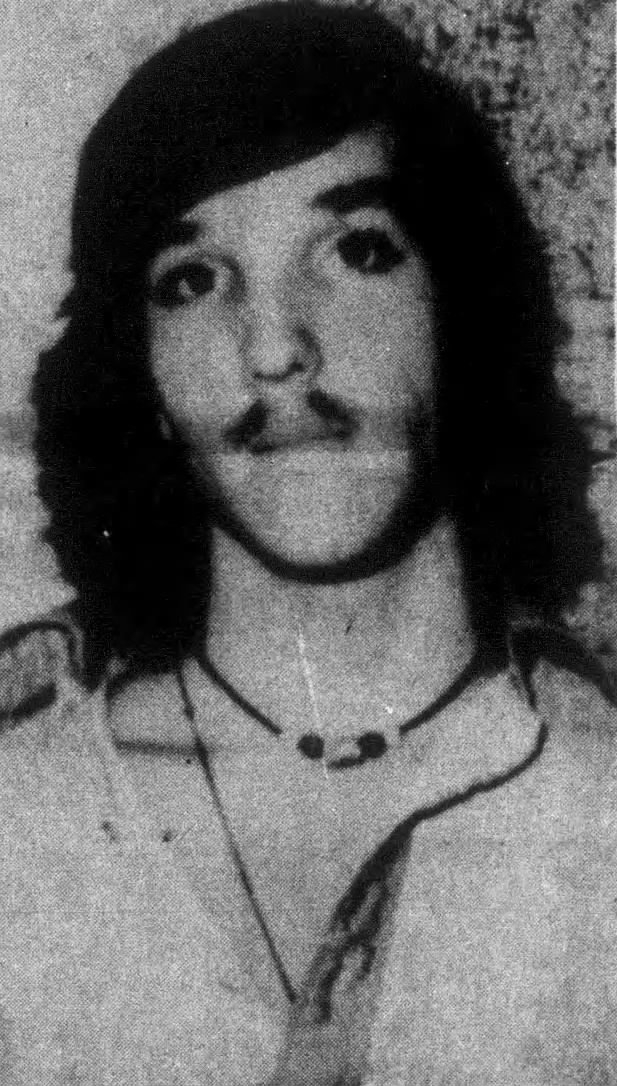
Antuan Bronshtein was born in Chișinău (then part of the Soviet Union) into a Moldovan Jewish family, emigrating to the United States at a young age and growing up between Philadelphia and Brooklyn, New York. His childhood was marked by family disruption, abandonment, and early drop-out from school. By his early teens, he was involved in substance abuse and immersed in the underground jewelry trade and juvenile delinquency.
By late adolescence, Bronshtein had integrated into organized crime networks, maintaining ties with Russian mafia associates and stolen property rings along the East Coast. Psychological evaluations revealed a history of personality disorders, emotional instability, and depressive episodes.
2. Crime Spree and Modus Operandi
Bronshtein's criminal activities escalated sharply in early 1991. On February 19, 1991, 57-year-old jeweler and financier Jerome Slobotkin was shot and killed inside his Philadelphia home. Previously, on January 11, 1991, 61-year-old jeweler Alexander Gutman was shot to death inside his jewelry store located within a Montgomery County shopping mall.
Bronshtein's modus operandi leveraged his insider knowledge of the jewelry industry combined with lethal firearm violence, operating within the framework of criminal conspiracies and underworld enterprises.
3. Investigation and Arrest
Initial investigations by Philadelphia law enforcement explored various avenues, including potential links to traditional organized crime figures such as Nicodemo "Nicky" Scarfo. Through extended police work, informant cooperation, and federal investigative assistance, authorities gathered sufficient evidence to indict Bronshtein for both homicides.
4. Legal Proceedings and Outcome
Bronshtein faced separate high-profile trials:
- On February 28, 1992, he was convicted of first-degree murder for the killing of Jerome Slobotkin and sentenced to life imprisonment.
- On April 24, 1994, he was convicted of first-degree murder for the killing of Alexander Gutman and sentenced to death.
Over the subsequent decades, Bronshtein engaged in extensive post-conviction litigation and habeas corpus appeals, challenging jury instructions regarding conspiracy liability and alleging ineffective assistance of counsel in federal courts.
5. Psychiatric Assessment and Aftermath
Forensic evaluations conducted during his incarceration on death row documented a history of severe early substance abuse, borderline and paranoid personality disorders, and suicidal ideation. Despite periodic attempts to waive appeals, his protracted legal battles remain a notable case study within Pennsylvania's judicial system.