

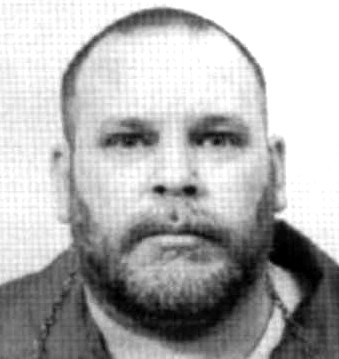
Forensic & Criminological Matrix
| Parameter | Forensic Detail |
|---|---|
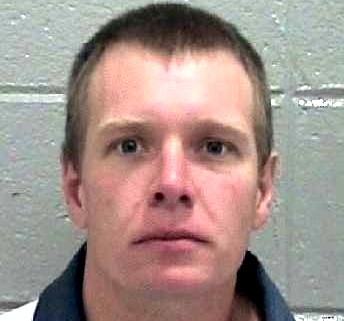
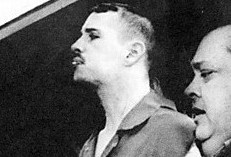
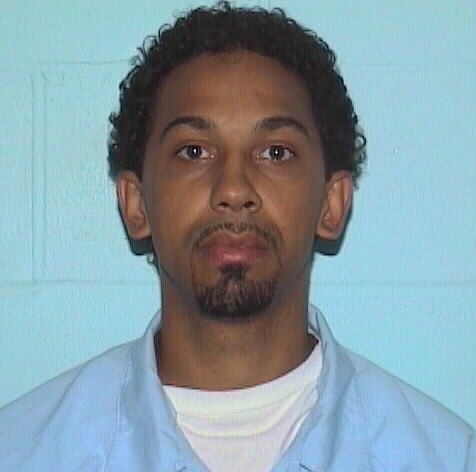
| Forensic Heading / Aliases | Ward Anthony Brockman |
| Legal Identity | Ward Anthony Brockman |
| Confirmed Victims | 1 |
| Attributed / Indicted Victims | 1 (plus multiple armed robberies and attempted holdups) |
| Active Timeline | 1990 |
| Jurisdiction / Area of Operations | Columbus, Georgia / Phenix City, Alabama, USA |
| Criminological Classification | Violent repeat offender / Armed robber turned murderer |
| Forensic Modus Operandi | Use of stolen motor vehicles (Chevrolet Camaro), physical "agendas" or operational lists, coordinated multi-offender service station stick-ups, and lethal escalation when confronted. |
| Weapon / Mechanism of Death | Shotgun / Firearms / Ballistic trauma |
| Motive / Behavioral Dynamics | Financial gain through a series of violent commercial robberies and criminal escalation |
| Judicial Outcome | Sentenced to death in Georgia, followed by extensive appellate litigation |
1. Background and Profile
Ward Anthony Brockman came to the attention of law enforcement in the early 1990s as the leader of a mobile criminal faction operating in Georgia. Associated with multiple accomplices, Brockman orchestrated a series of property thefts and armed assaults across the Columbus area and neighboring jurisdictions in Alabama.
2. Crime Spree and Modus Operandi
Brockman’s criminal methodology involved structured planning documented through written "agendas" or lists of targeted crimes. This included stealing specific vehicles—such as a Chevrolet Camaro taken days prior to the murder—to execute coordinated armed robberies at commercial locations and service stations. During an attempted armed robbery in 1990, Brockman acted as the primary gunman, resulting in the fatal shooting of a service station attendant.
3. Investigation and Manhunt
Following a string of linked robberies over a 48-hour period, law enforcement tracked the suspects' vehicle, leading to a high-speed pursuit that crossed state lines from Columbus into Phenix City, Alabama. The standoff ended at the apartment of Brockman's female companion, where tactical units deployed tear gas to force Brockman out of the attic. Post-arrest statements highlighted Brockman's combative and boastful demeanor, including admissions that he had contemplated firing a shotgun at pursuing officers.
4. Legal Proceedings and Trial
The prosecution sought the death penalty in Muscogee Superior Court. Legal proceedings heavily contested the admissibility of Brockman's incriminating statements and videotaped confession following his invocation of counsel and subsequent re-initiation of dialogue with detectives. In late 1993, the Supreme of Georgia issued key rulings regarding the joinder of offenses and the admissibility of extrinsic acts related to the stolen getaway vehicle.
5. Psychological Assessment and Outcome
Criminologically, Brockman exhibited traits of an unremorseful, high-risk offender driven by thrill-seeking and criminal escalation. Although formally condemned to death in Georgia in 1994, the case underwent prolonged appellate reviews regarding constitutional protections and procedural nuances during police interrogations.