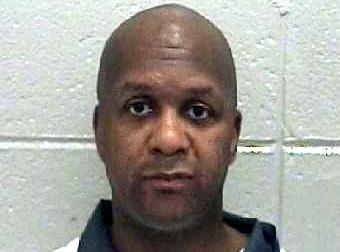





Forensic & Criminological Matrix
| Parameter | Forensic Detail |
|---|---|
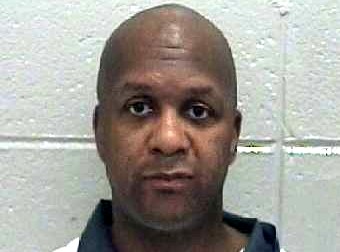
| Forensic Heading / Aliases | Kenneth Dan Bright |
| Legal Identity | Kenneth Dan Bright |
| Confirmed Victims | 2 (maternal/paternal grandparents) |
| Active Timeline | 1989 |
| Jurisdiction / Area of Operations | Columbus, Muscogee County, Georgia, United States |
| Criminological Classification | Intrafamilial homicidal offender / Substance-induced violent offender |
| Forensic Modus Operandi | Stabbing attack inside the victims' residence following a refusal to provide money for narcotics. |
| Weapon / Mechanism of Death | Kitchen knife (multiple sharp-force injuries and stab wounds) |
| Motive / Behavioral Dynamics | Substance use disorder (crack cocaine), withdrawal syndrome, acute impulse dyscontrol, and financial desperation for drugs. |
| Judicial Outcome | Initially sentenced to death (death sentence later reversed on appeal due to denial of independent expert assistance during the sentencing phase), convictions for murder and controlled substance possession upheld. |
1. Background and Psychopathy
Kenneth Dan Bright grew up amidst severe familial dysfunction and early traumatic events. According to psychological evaluations and court records, his mother allegedly killed his father when Bright was six years old, leaving a profound emotional imprint. Throughout his youth, Bright developed a debilitating addiction to crack cocaine and alcohol, drastically eroding his emotional stability and impulse control. Records from the Columbus Department of Mental Health and Substance Abuse indicated a history of severe depression, suicidal ideation, and extreme vulnerability to substance dependency.
2. Crime Spree
The double homicide occurred in 1989 at his grandparents' home in Columbus, Georgia. Bright went to the residence demanding twenty dollars to purchase crack cocaine. When his grandmother recognized his intoxicated state and threatened to inform his mother and report his unauthorized use of her vehicle, Bright experienced an acute rage reaction compounded by substance intoxication. He attacked his grandmother, inflicting twenty-one stab wounds, and subsequently stabbed his grandfather twelve times, causing fatal visceral lacerations.
3. Investigation and Arrest
Law enforcement secured the crime scene and arrested Bright shortly after the homicides. Upon booking at the Muscogee County Jail, medical staff noted severe withdrawal symptoms, including self-mutilating behavior (biting his fingers until bleeding) as he detoxed from crack cocaine. Bright provided statements to police admitting his presence and actions, though attributing the loss of control to his intoxication and despair over drug addiction.
4. Legal Proceedings and Outcome
Tried in the Muscogee Superior Court, Bright raised defenses related to his mental state at the time of the killings. The jury found him guilty of the murders and of possessing a controlled substance, sentencing him to death for the homicides and fifteen years for the drug offense. On appeal (Bright v. The State, 1995), the Supreme Court of Georgia affirmed the convictions but reversed the death sentence due to the trial court's failure to grant state-funded independent expert assistance for the penalty phase mitigation.
5. Psychiatric Evaluation and Aftermath
Judicial and psychiatric examinations highlighted Bright's severe cognitive and emotional impairments linked to chronic crack abuse and historical childhood head injuries (including trauma from a brick, a baseball bat, and a vehicle collision). While these factors did not amount to legal insanity during the guilt phase, the procedural flaws regarding expert witness access at sentencing established a vital precedent regarding due process and mitigation rights in capital cases.