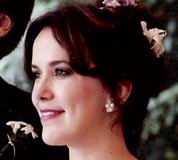


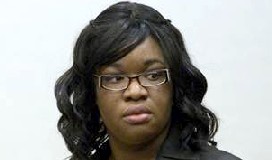
Forensic & Criminological Matrix
| Parameter | Forensic Detail |
|---|---|
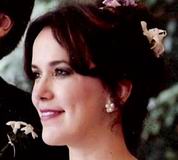
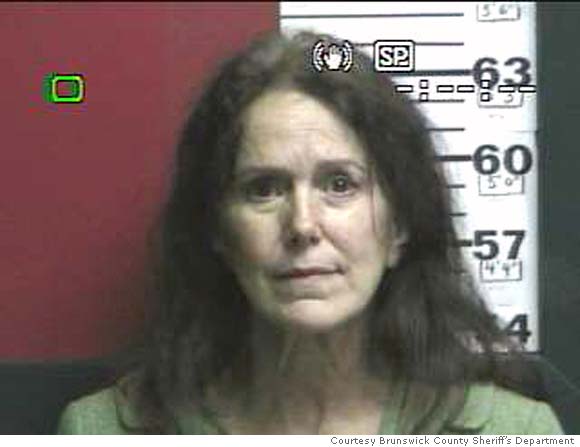
| Forensic Heading / Aliases | The Black Widow / Sandra Camille Bridewell |
| Legal Identity | Sandra Camille Powers |
| Confirmed Victims | 0 (Strong circumstantial suspicion of multiple unsolved homicides) |
| Active Timeline | 1975 - 1985 |
| Jurisdiction / Area of Operations | Texas and Oklahoma, United States |
| Criminological Classification | Professional con artist / Potential financial serial killer (Black Widow archetype) |
| Forensic Modus Operandi | Seduction of affluent males, psychological manipulation, isolation, simulation of personal crises, and acquisition of life insurance policies or loans prior to suspicious violent deaths |
| Weapon / Mechanism of Death | .22 caliber firearm, psychological manipulation, and identity fraud |
| Motive / Behavioral Dynamics | Illicit enrichment, pathological greed, pathological lying (mythomania), and antisocial/narcissistic personality disorders |
| Judicial Outcome | Never convicted of murder; pleaded guilty to one count of federal identity theft on February 28, 2008, receiving a two-year prison sentence |
1. Background and Psychopathy
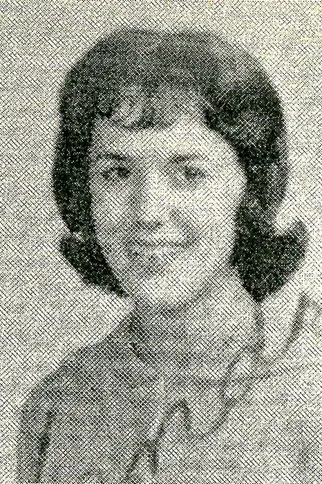
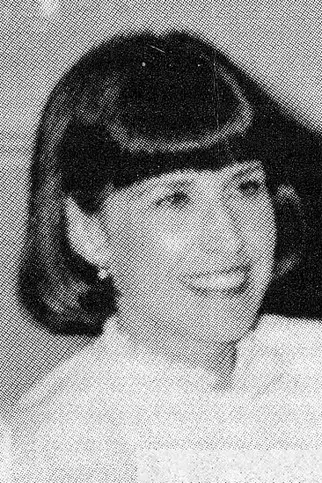
Sandra Camille Powers was born on April 4, 1944, in Missouri, and was adopted in infancy by Arthur and Camille Powers. Her early life was disrupted when her adoptive mother died in a car crash when Sandra was three years old. Her father remarried and relocated the family to Oak Cliff, Texas. Her relationship with her stepmother, Doris, was fraught with emotional abuse and harsh discipline, fostering in Sandra an acute sense of abandonment and an insatiable need for control and external validation.
After graduating from high school in 1962, Sandra cultivated a persona characterized by intense mythomania. She spun elaborate fabrications regarding her background and social standing. Her fragile, helpless demeanor captivated affluent men, whom she systematically exploited to gain access to their financial resources.
2. Crime Spree
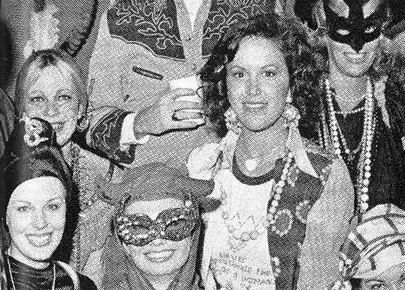
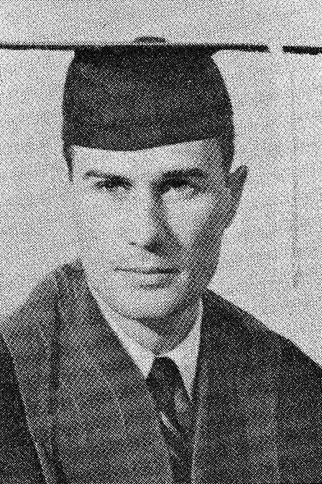
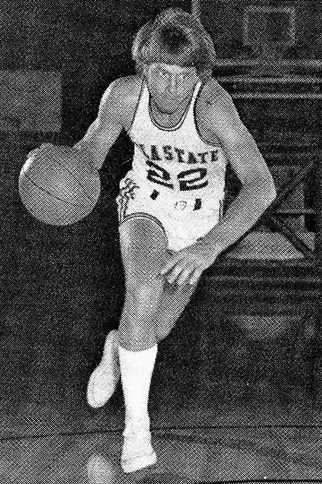
Bridewell's criminal trajectory was defined by a pattern of successive marriages and fatal associations with wealthy men. Her first husband, dentist David Stegall, married her in 1967, only to accumulate staggering debts driven by Sandra's extravagant tastes. In February 1975, following a reported suicide attempt, Stegall was found dead in his bed from slashed wrists and a .22 caliber gunshot wound to the head. Sandra collected his life insurance and liquidated his practice.
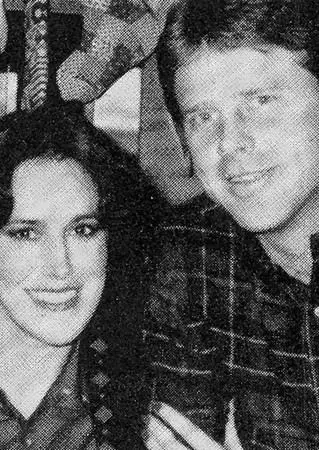
Following Stegall's death, she married real estate developer Bobby Bridewell, who died of cancer in 1982 while isolated from his support network during a complete home remodeling ordered by Sandra. Shortly thereafter, she cultivated a suffocating friendship with oncologist John Bagwell and his wife Betsy. On June 16, 1982, Betsy Bagwell was found dead inside her vehicle at an airport parking lot with a gunshot wound to the head—a death officially ruled a suicide despite significant forensic anomalies.
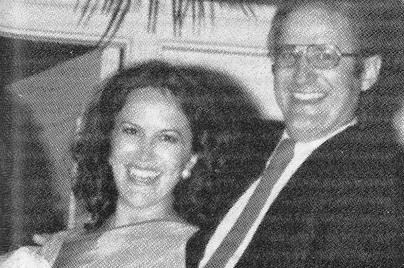
In December 1984, she married her third husband, Alan Rehrig. Rehrig was subjected to intense financial pressure, false pregnancy claims, and demands for life insurance policies. In December 1985, Rehrig was found shot to death inside his vehicle in Oklahoma. Bridewell collected over $220,000 in life insurance while minimizing funeral expenses.
3. Police Investigation and Forensic Hunt
For decades, law enforcement agencies in Texas and Oklahoma strongly suspected Sandra Bridewell, dubbed "The Black Widow" by local media. Nevertheless, her carefully constructed alibis, the initial classification of her victims' deaths as suicides, and institutional reluctance to reopen closed cases stymied formal murder charges.
Investigative criminologists documented a modus operandi centered on emotional extortion, financial draining, and staging crime scenes to mimic suicides. Her cold, composed demeanor during police interrogations consistently undermined efforts by detectives to secure direct incriminating evidence.
4. Arrest and Judicial Proceedings
Although she evaded prosecution for the homicides and suspicious deaths surrounding her, Bridewell's fraudulent activities continued as she relocated to California. Her persistent refusal to submit to legal accountability finally caught up with her through federal white-collar investigations.
On February 28, 2008, Sandra Bridewell pleaded guilty to a federal count of identity theft and was sentenced to two years in federal prison. While minor compared to the homicides attributed to her by criminologists, this conviction marked her sole formal reckoning with the criminal justice system.
5. Psychiatric Evaluation and Aftermath
Psychiatric and criminological evaluations classify Sandra Bridewell as an integrated psychopath characterized by high histrionic capabilities and narcissistic personality disorder. Her behavior reflected a parasitic lifestyle where human relationships served solely as instruments for financial extraction and material gain.
Bridewell's dossier remains a landmark case of hidden criminality in the United States, illustrating the systemic challenges law enforcement faces when prosecuting cunning offenders capable of masking homicides beneath the guise of accidental tragedies or suicides.