




Forensic & Criminological Matrix
| Parameter | Forensic Detail |
|---|---|
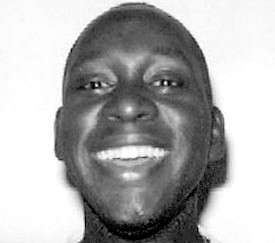
| Forensic Heading / Aliases | James D. Brewer |
| Legal Identity | James D. Brewer |
| Confirmed Victims | 1 (Stephen Skirpan) |
| Attributed / Indicted Victims | 1 |
| Active Timeline | December 4, 1977 |
| Jurisdiction / Area of Operations | Gary, Indiana, United States |
| Criminological Classification | Homicidal offender / Armed robbery recidivist |
| Forensic Modus Operandi | Police impersonation using fake badges, deceptive home entries, armed intimidation, and lethal violence |
| Weapon / Mechanism of Death | Handgun (firearm) |
| Motive / Behavioral Dynamics | Financial gain (robbery) / Low intellectual quotient and personality disorders |
| Judicial Outcome | Initially sentenced to death in 1978 (first under Indiana's new death penalty statute), later resentenced to 54 years in prison in 1991 following federal habeas corpus relief due to ineffective assistance of counsel |
1. Background and Profile
James D. Brewer was born on October 6, 1956. His early life was marked by psychosocial vulnerability and the premature loss of his mother when he was eleven years old. He presented a history of low intellectual functioning, emotional instability, and exposure to marginalized environments in Indiana. His criminological profile combined a passive subordinate personality with high criminal dangerousness within group-perpetrated armed robbery dynamics.
2. Crime Spree and Modus Operandi
On December 4, 1977, James Brewer, in complicity with Kenneth Brooks, orchestrated and executed a series of armed robberies in the Gary, Indiana area. Their criminal pattern consisted of approaching homes and businesses while displaying fake badges and posing as police detectives investigating traffic accidents or similar matters, thereby demanding entry under fabricated search warrants. At approximately 5:00 p.m. that day, the pair gained entry into the residence of 29-year-old Stephen Skirpan. After a brief confrontation where they announced a holdup and Skirpan demanded to see a warrant, Brewer shouted 'This is a hold up!', initiating the use of firearms. Skirpan was fatally shot, after which the perpetrators stole valuables, stepping over the victim's dying body to effect their escape.
3. Police Investigation and Forensic Hunt
Law enforcement response was swift due to witness descriptions and links to four other armed robberies committed by the same duo earlier that same day (including a gas station and an apartment building). Brewer was apprehended later that same night. During the search, officers recovered commemorative coins stolen during the robbery as well as the murder weapon. Facing police scrutiny, Brewer attempted to fabricate an alibi by sending letters to his girlfriend instructing her to lie to investigators. This manufactured alibi collapsed during cross-examination at trial after being introduced by his own defense counsel at the defendant's request.
4. Legal Proceedings and Trial
Brewer was tried before Lake County Superior Court Judge James L. Clement. On February 17, 1978, a jury convicted him of murder. On March 1, 1978, following a severely expedited sentencing procedure under Indiana's newly instituted death penalty statute (making him the first defendant prosecuted under said law), the court sentenced him to death. During the penalty phase, defense counsel lacked sufficient time to investigate Brewer's psychiatric and family history, committing critical tactical errors that allowed the prosecution to introduce highly damaging testimony regarding prior uncharged robberies.
5. Psychiatric Evaluation and Outcome
Following protracted state appeals and federal habeas corpus litigation, the U.S. Court of Appeals for the Seventh Circuit affirmed in June 1991 the district court ruling by Judge S. Hugh Dillon. The court held that Brewer had received ineffective assistance of counsel during the sentencing phase because his attorney failed to investigate and present mitigating factors concerning his limited intellect and psychiatric background. Consequently, a conditional writ of habeas corpus was granted unless the State of Indiana provided a new sentencing hearing. In October 1991, a sentencing agreement was finalized, and Brewer was resentenced to a term of 54 years' imprisonment.