

Forensic & Criminological Matrix
| Parameter | Forensic Detail |
|---|---|
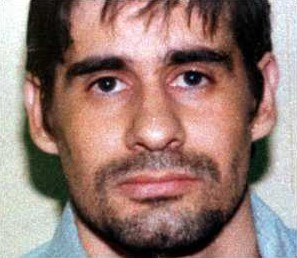
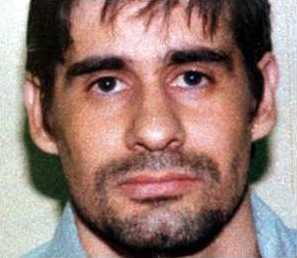
| Forensic Heading / Aliases | Angel Francisco Breard |
| Legal Identity | Angel Francisco Breard |
| Confirmed Victims | 1 (Ruth Dickie) |
| Active Timeline | February 17, 1992 |
| Jurisdiction / Area of Operations | Arlington, Virginia, United States |
| Criminological Classification | Homicide offender associated with sexual assault (opportunistic and behaviorally altered) |
| Forensic Modus Operandi | Daytime/nocturnal home invasion, armed knife assault, and aborted sexual assault attempt |
| Weapon / Mechanism of Death | Knife (multiple stab and incised wounds to the cervical region and body) |
| Motive / Behavioral Dynamics | Sexual impulse with behavioral disruption (alleged delusion of a satanic curse); prior alcohol consumption |
| Judicial Outcome | Sentenced to death (1993); executed by lethal injection at Greensville Correctional Center on April 14, 1998. Landmark international litigation case before the International Court of Justice regarding violations of the Vienna Convention on Consular Relations. |
1. Background and Profile
Angel Francisco Breard was a Paraguayan national who immigrated to the United States in 1986 seeking new opportunities. In 1985, he sustained severe head trauma in a car accident that rendered him unconscious for several days—a medical precedent that his defense later attempted to link to subsequent behavioral abnormalities. With no prior criminal record in his home country or in the United States, Breard resided in Arlington, Virginia, maintaining an ostensibly normal life until personal distress, emotional turmoil, and alcohol abuse severely destabilized his conduct.
2. Crime Spree and Modus Operandi
On February 17, 1992, in a state of depression and under the influence of alcohol, Breard forced entry into the apartment of his 39-year-old neighbor, Ruth Dickie. His initial intent, according to his statements to law enforcement, was to commit a sexual assault. When the victim resisted and unexpected noises (a knock on the door) temporarily interrupted the assault, Breard attacked her with a knife, inflicting multiple fatal stab wounds to her neck and body. Following the homicide, he fled the scene through a kitchen window. The modus operandi combined impulsive home invasion with extreme violence aimed at securing impunity after the interruption of the crime.
3. Investigation and Arrest
The investigation into Ruth Dickie's murder made decisive progress months later. Breard was arrested in the autumn of 1992 after being linked to another attempted assault in the same neighborhood. Forensic evidence gathered at the crime scene, biological traces, and his confession to law enforcement conclusively established his material guilt. However, a crucial procedural failure committed by local authorities at the time of apprehension was the omission of consular notification mandated under Article 36 of the Vienna Convention on Consular Relations—an oversight that would not surface until years later.
4. Legal Proceedings and Outcome
During his 1993 trial, Breard's defense strategy conflicted sharply with American judicial procedures. Against the explicit advice of his defense attorneys, Breard pleaded not guilty and insisted on testifying that he committed the murder under the influence of a satanic curse cast by his former father-in-law. He harbored the mistaken belief that expressing remorse and confessing would elicit leniency from a jury—a reflection of his misunderstanding of U.S. criminal law compared to the Paraguayan system. The court dismissed the argument, and on June 25, 1993, the jury recommended the death penalty, which the judge formally imposed.
5. Psychiatric Assessment and Outcome
Breard's case transcended ordinary criminal proceedings to become an unprecedented diplomatic and international legal conflict. In 1996, the government of Paraguay discovered that its citizen was on death row without having been afforded consular notification upon arrest. Consequently, appeals filed in federal courts and the U.S. Supreme Court were repeatedly denied. In April 1998, the International Court of Justice (ICJ) in The Hague issued an order urging the United States to stay the execution due to the clear violation of the Vienna Convention. Despite extraordinary diplomatic efforts led by U.S. Secretary of State Madeleine Albright and international clemency pleas, Virginia Governor James Gilmore and the Supreme Court declined to halt the execution, ruling that the international court's order was non-binding under domestic law and that the procedural error did not invalidate the conviction. Angel Francisco Breard was executed by lethal injection at the Greensville Correctional Center on the night of April 14, 1998.