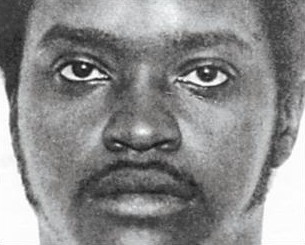
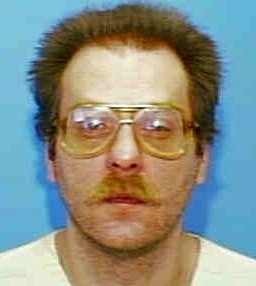
Forensic & Criminological Matrix
| Parameter | Forensic Detail |
|---|---|
| Forensic Heading / Aliases | Wilson Henry Boyd |
| Legal Identity | Wilson Henry Boyd |
| Confirmed Victims | 1 |
| Attributed / Indicted Victims | 1 |
| Active Timeline | 1940 |
| Jurisdiction / Area of Operations | Nevada, United States |
| Criminological Classification | Capital Murderer |
| Forensic Modus Operandi | Direct lethal violence |
| Weapon / Mechanism of Death | Unspecified in historical logs |
| Motive / Behavioral Dynamics | Unknown / Interpersonal conflict |
| Judicial Outcome | Capital punishment and execution by gas chamber |
1. Background and Profile
Wilson Henry Boyd was an American citizen originally from Tennessee whose criminal trajectory culminated in the state of Nevada. While detailed records regarding his early life and background remain sparse in historical criminological archives, his case represents a documented instance of capital punishment during the mid-20th century in the United States.
2. Crime Spree and Modus Operandi
Boyd was prosecuted and convicted for committing a homicide within the jurisdiction of Nevada. His modus operandi involved the application of direct lethal force against the victim, prompting a swift intervention by law enforcement agencies.
3. Police Investigation and Forensic Hunt
The investigation was handled by local law enforcement authorities in Nevada. Following the collection of physical evidence and witness testimonies at the crime scene, investigators successfully identified Boyd as the sole perpetrator of the offense.
4. Legal Proceedings and Trial
Following his apprehension, Boyd faced trial under the state laws of Nevada. The judiciary evaluated the evidence submitted by the prosecution and returned a verdict of guilty, culminating in a sentence of death.
5. Psychiatric Evaluation and Outcome
The legal process reached its conclusion on May 28, 1940, when Wilson Henry Boyd was executed by means of lethal gas asphyxiation in Nevada, thus carrying out the sentence imposed by the court.