




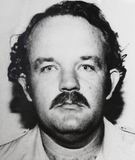
Forensic & Criminological Matrix
| Parameter | Forensic Detail |
|---|---|
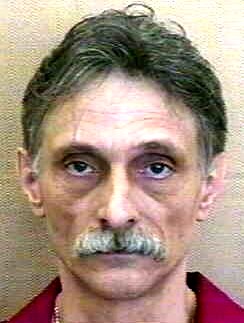
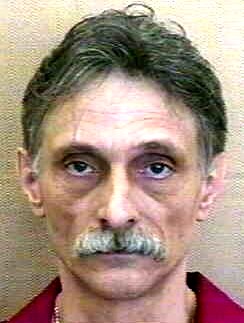
| Forensic Heading / Aliases | Kenneth Lee Boyd |
| Legal Identity | Kenneth Lee Boyd |
| Confirmed Victims | 2 (Julie Curry Boyd and Thomas Dillard Curry) |
| Active Timeline | March 1988 |
| Jurisdiction / Area of Operations | Rockingham County, North Carolina, USA |
| Criminological Classification | Domestic / Multiple Homicidal Offender |
| Forensic Modus Operandi | Armed confrontation, high-powered firearm (.357 Magnum), deliberate reloading at the crime scene, and subsequent emergency self-reporting |
| Weapon / Mechanism of Death | .357 Magnum revolver / Firearm projectiles |
| Motive / Behavioral Dynamics | Domestic violence, marital breakdown, control, and retribution |
| Judicial Outcome | Sentenced to death on July 14, 1994; executed by lethal injection on December 2, 2005 (1,000th execution in the U.S. since the resumption of capital punishment) |
1. Background and Psychopathy
Kenneth Lee Boyd was born in 1948. He served as a bulldozer operator during the Vietnam War, a period his defense teams later cited as contributing to psychological trauma due to daily sniper exposure. However, his post-military life was characterized by severe domestic instability and escalating marital friction with his estranged wife, Julie Curry Boyd, which ultimately degenerated into extreme domestic violence.
2. Crime Spree
In March 1988, in Rockingham County, North Carolina, Boyd committed the double murder of his 36-year-old estranged wife, Julie Curry Boyd, and his 57-year-old father-in-law, Thomas Dillard Curry. During the armed assault, Boyd emptied a .357 Magnum into the victims. One of his young sons was pinned beneath his mother's body while Boyd deliberately reloaded the weapon to continue the attack, before the child managed to crawl under a bed. Immediately following the shootings, Boyd called 911, confessed to the homicides, and waited for authorities.
3. Investigation and Forensic Hunt
Law enforcement intervention was immediate, triggered by the perpetrator's own emergency call. Crime scene analysis recovered ballistic evidence matching the .357 Magnum, the 911 audio recording capturing the sound of weapon reloading, and crucial eyewitness testimony from surviving minor children. Prosecutor Belinda Foster built an airtight forensic case establishing premeditation and extreme indifference to human life.
4. Legal Proceedings and Outcome
Boyd was arrested at the scene. On July 14, 1994, the Rockingham County Superior Court sentenced him to death. His conviction and death sentence were upheld by the North Carolina Supreme Court on July 31, 1996. Subsequent state and federal appeals, challenging aspects such as juror misconduct and lack of executive clemency, were exhausted over the next decade.
5. Psychiatric Evaluation and Execution
In his final appeals, attorneys argued against the historic milestone his execution would represent, emphasizing his military background. Both Governor Mike Easley and the U.S. Supreme Court declined to intervene. On December 2, 2005, at Raleigh’s Central Prison, Boyd was executed via lethal injection at 2:15 a.m., marking the 1,000th execution in the United States since the 1976 reinstatement of capital punishment.