



Forensic & Criminological Matrix
| Parameter | Forensic Detail |
|---|---|
| Forensic Heading / Aliases | New York's Most Dangerous Inmate |
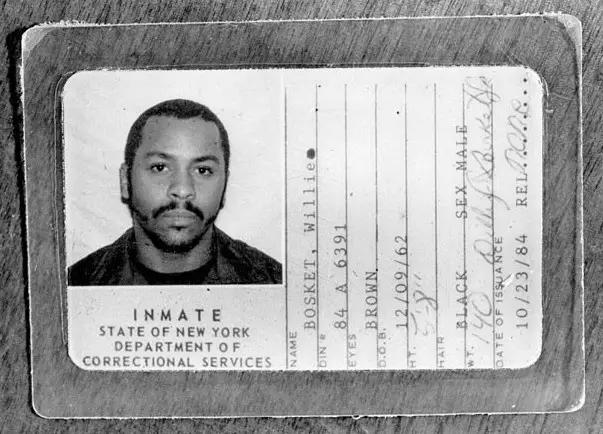
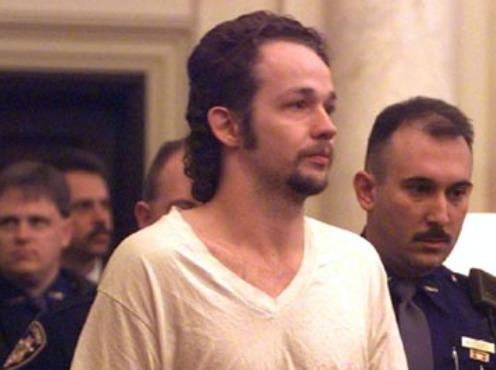
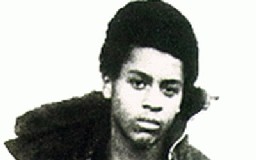
| Legal Identity | William James Bosket Jr. |
| Confirmed Victims | 2 |
| Attributed / Indicted Victims | 2 |
| Active Timeline | 1978 (homicides); 1978-present (prison misconduct) |
| Jurisdiction / Area of Operations | New York, USA |
| Criminological Classification | Juvenile murderer / High-risk institutional violent offender |
| Forensic Modus Operandi | Point-blank firearm executions in public transit, followed by weaponized assaults on guards and arson within maximum-security facilities |
| Weapon / Mechanism of Death | Firearm (initial murders); improvised blades, chains, and fire (prison assaults) |
| Motive / Behavioral Dynamics | Severe antisocial personality disorder, psychopathy, and institutional defiance |
| Judicial Outcome | Initial 5-year juvenile sentence; subsequent adult convictions totaling 82 years to life |
1. Background and Profile
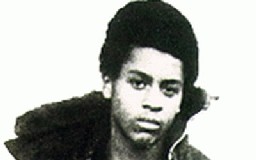
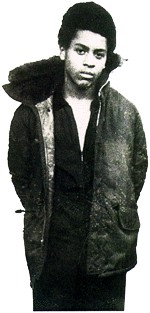
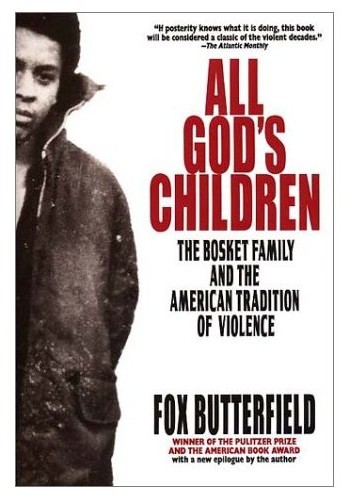
William James Bosket Jr. was born in Harlem, New York, in September 1962 into a family infamous for multi-generational violence and criminality, a lineage extensively documented in the study All God's Children. Institutionalized from a young age in juvenile facilities, Bosket developed an entrenched hostility toward the legal and correctional systems.
2. Crime Spree
In March 1978, at just 15 years of age, Bosket committed a double murder inside a New York City subway car. Selecting his victims indiscriminately, he shot them at close range. The brutality of the act and his subsequent nonchalant attitude triggered widespread outrage and became a turning point in juvenile justice debates across the United States.
3. Investigation and Arrest
Law enforcement swiftly identified Bosket through witness testimonies and forensic evidence. Although apprehended without major incident, his juvenile status at the time meant he faced minimal incarceration under existing laws. He was released after serving five years, only to be arrested 100 days later for robbing and assaulting an elderly man.
4. Legal Proceedings and Outcome
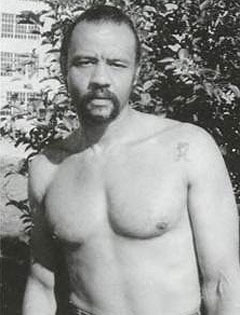
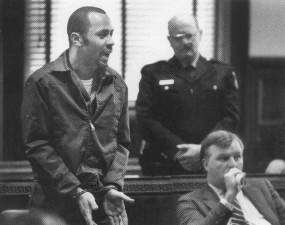
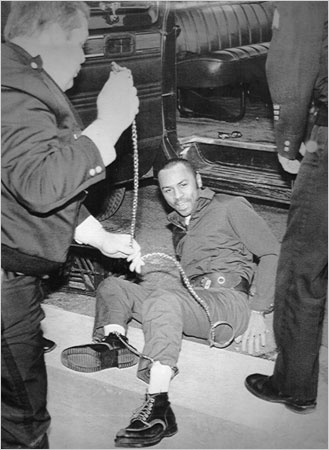
The public outcry surrounding Bosket's case prompted New York Governor Hugh L. Carey to sign landmark legislation allowing juveniles as young as 13 to be tried as adults for murder. Upon entering the adult prison system, Bosket amassed hundreds of disciplinary infractions, including slashing guards with improvised weapons and setting cell fires. He received multiple consecutive sentences, ensuring lifelong confinement.
5. Psychiatric Evaluation and Aftermath
Psychiatric evaluations characterized Bosket as a severe psychopath with an extreme antisocial personality disorder, resistant to rehabilitation. Due to his unrelenting violence toward staff, he spent decades in extreme solitary confinement within maximum-security prisons. His case remains a seminal reference in American criminology regarding juvenile accountability and prison management.