



Forensic & Criminological Matrix
| Parameter | Forensic Detail |
|---|---|
| Forensic Heading / Aliases | J. B. Wilkes |
| Legal Identity | John Wilkes Booth |
| Confirmed Victims | 1 (President Abraham Lincoln) |
| Active Timeline | April 14, 1865 |
| Jurisdiction / Area of Operations | Washington D.C., United States |
| Criminological Classification | Political Assassin / Regicide |
| Forensic Modus Operandi | Public infiltration, stealthy rear approach, and point-blank ballistic execution in a controlled venue |
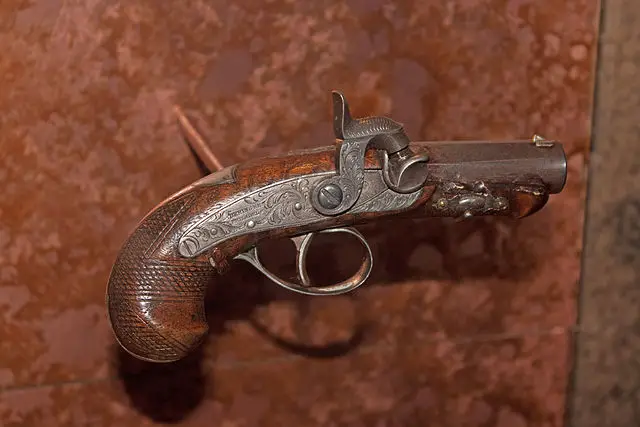
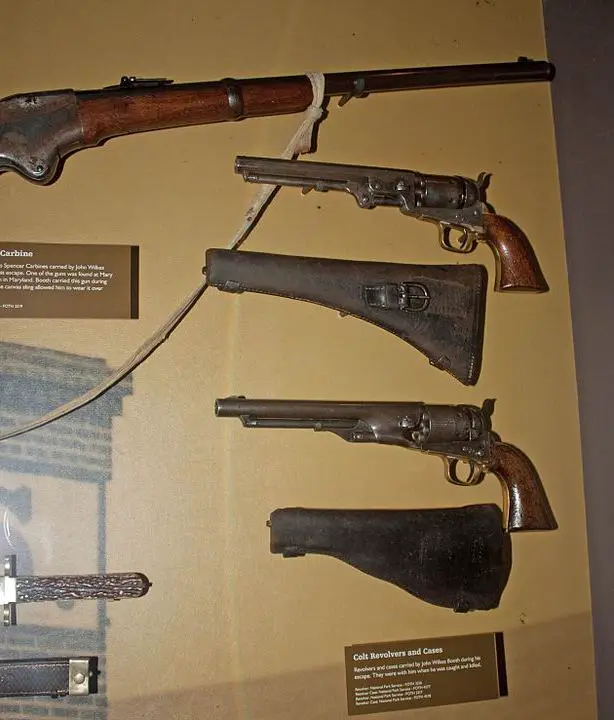
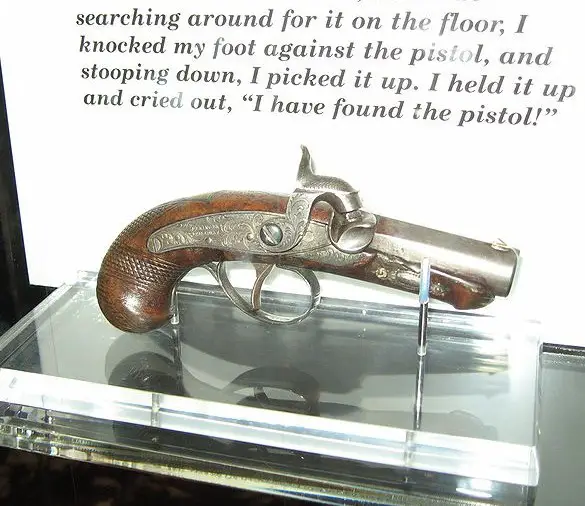
| Weapon / Mechanism of Death | .44 caliber Philadelphia Derringer pistol and Bowie knife |
| Motive / Behavioral Dynamics | Pro-Confederate fanaticism, political extremism, and violent revanchism |
| Judicial Outcome | Shot and killed by Union forces on April 26, 1865, during apprehension |
1. Background and Profile
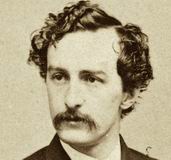
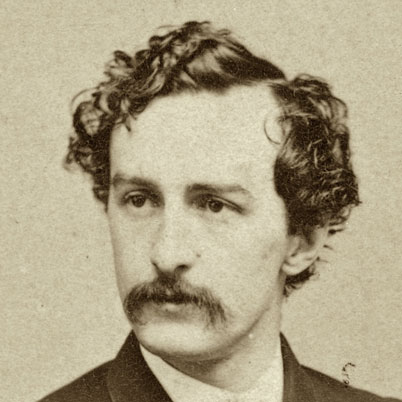
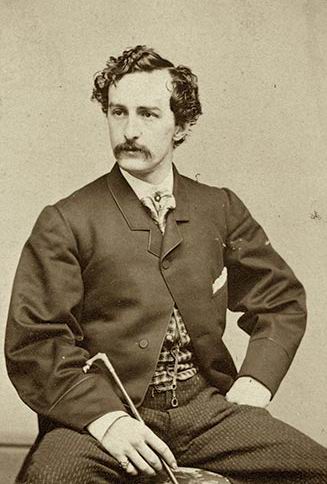
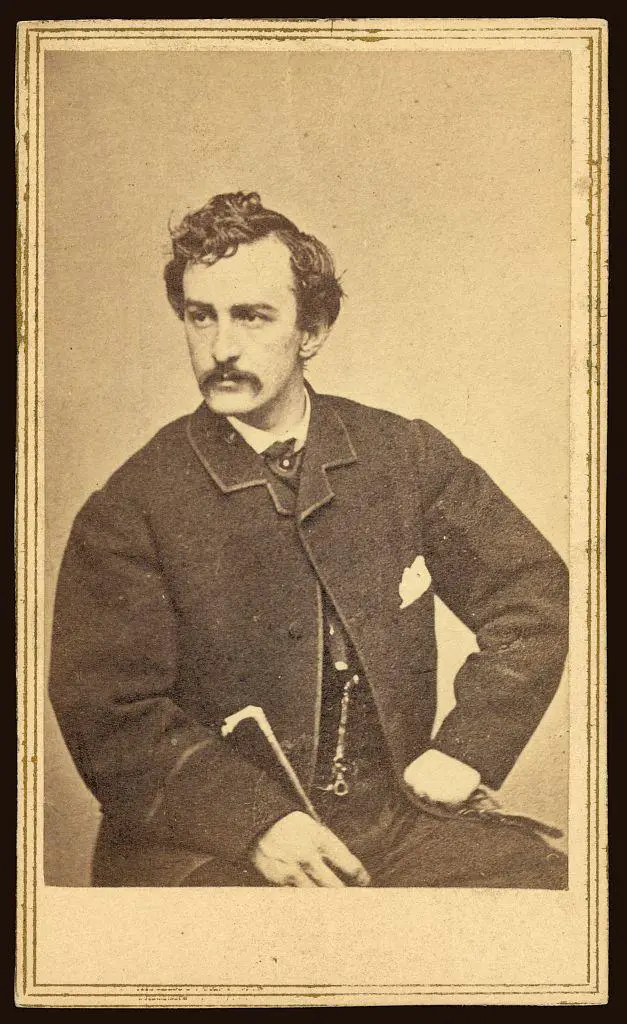
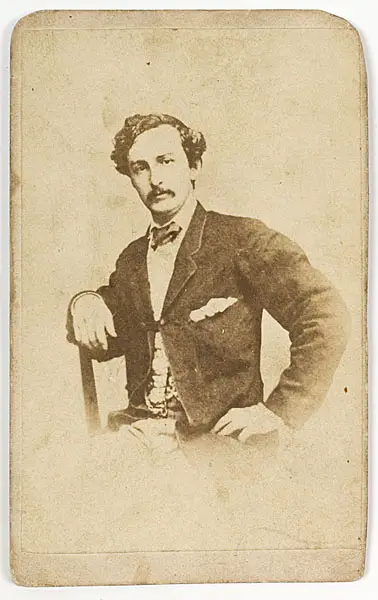
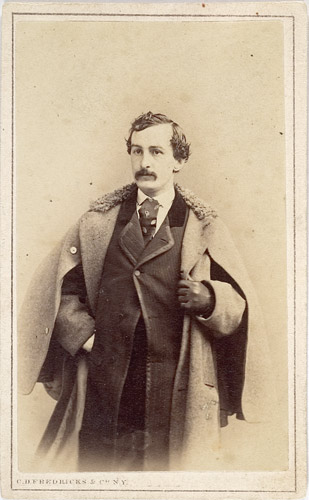
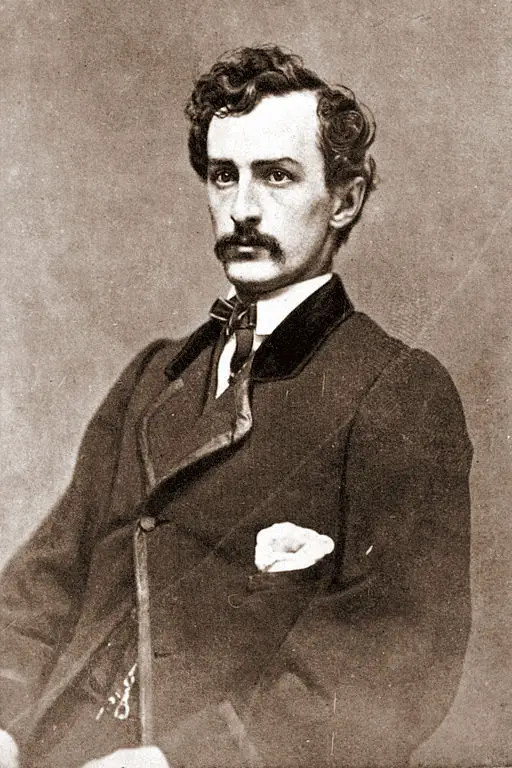
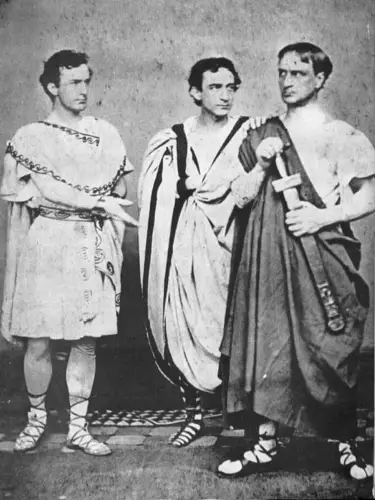
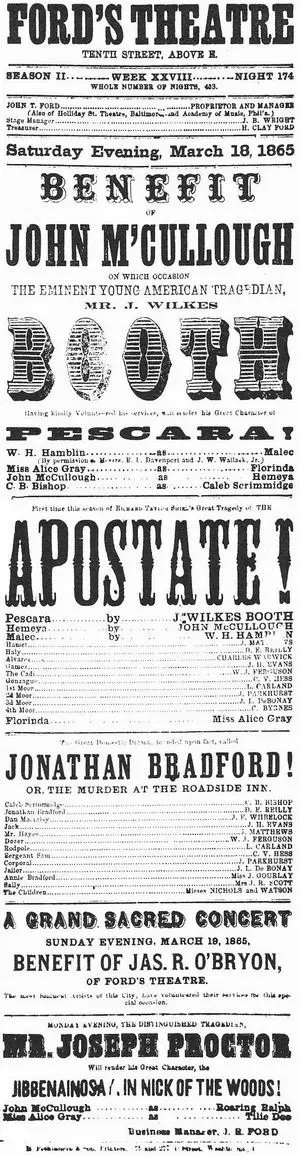
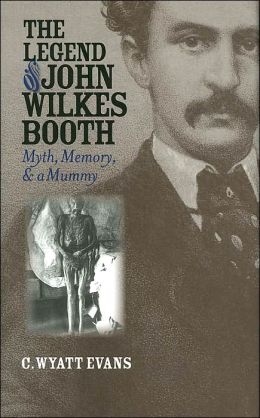
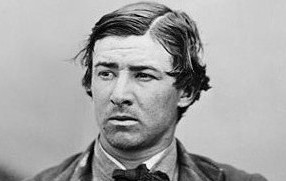
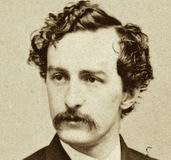
John Wilkes Booth was born on May 10, 1838, into a renowned theatrical family. He established a successful career as an actor, gaining nationwide recognition for his performances. Beneath his charismatic public facade, however, lay an intense and volatile psychological profile heavily influenced by radical pro-Confederate ideologies and white supremacy. As the American Civil War neared its conclusion with the defeat of the South, Booth's fanaticism escalated into active conspiracy against the federal government.
2. Crime Spree and Modus Operandi
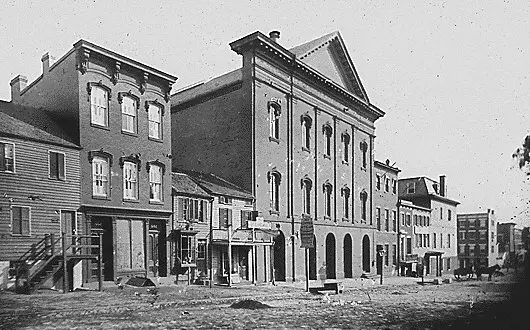
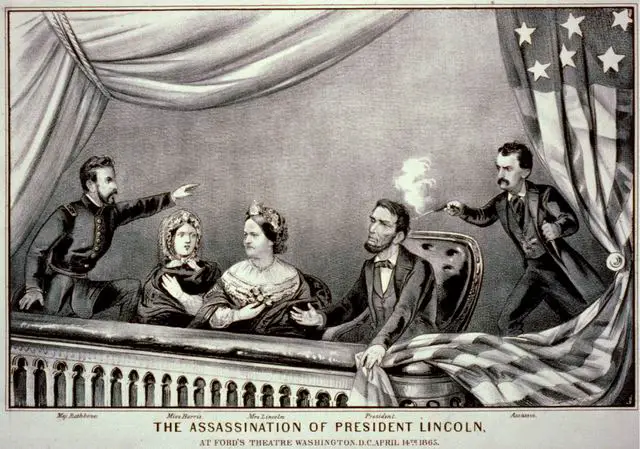
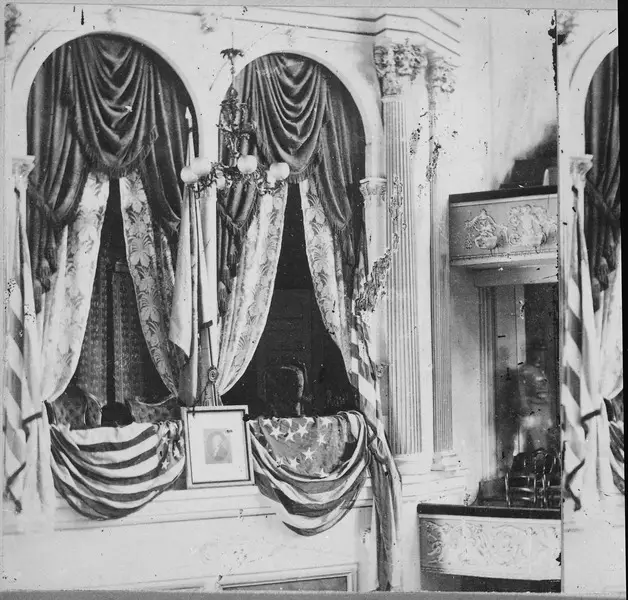
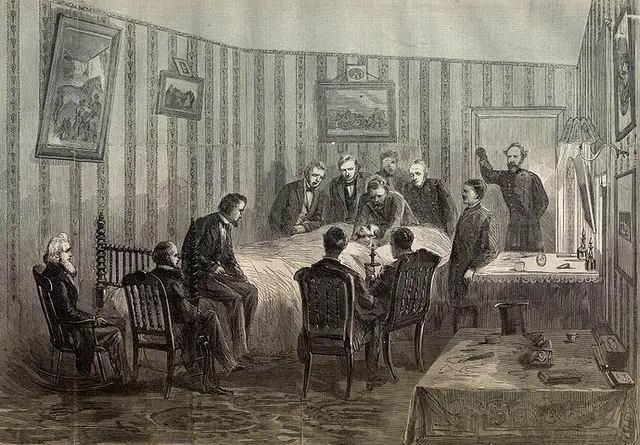
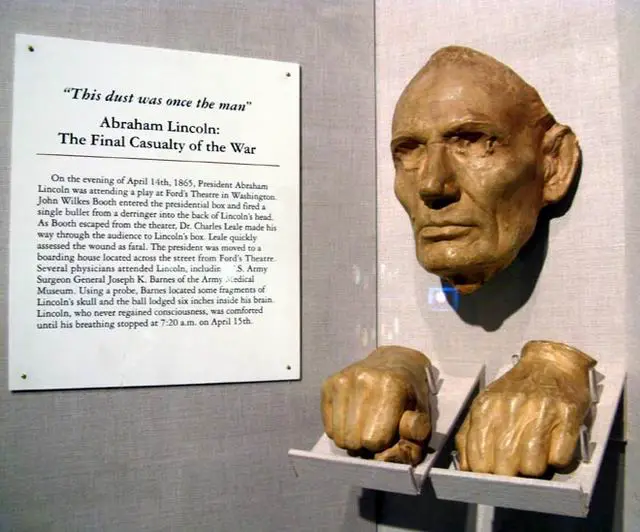
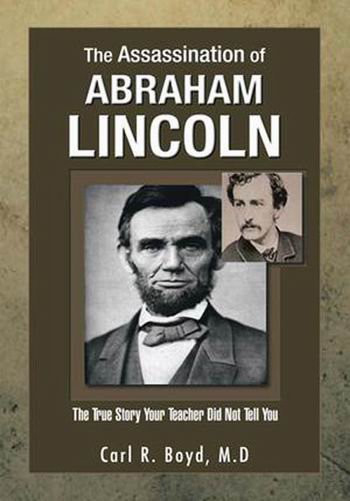
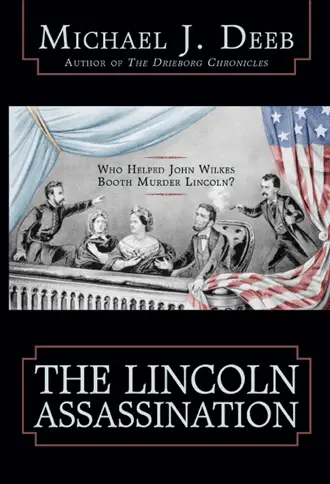
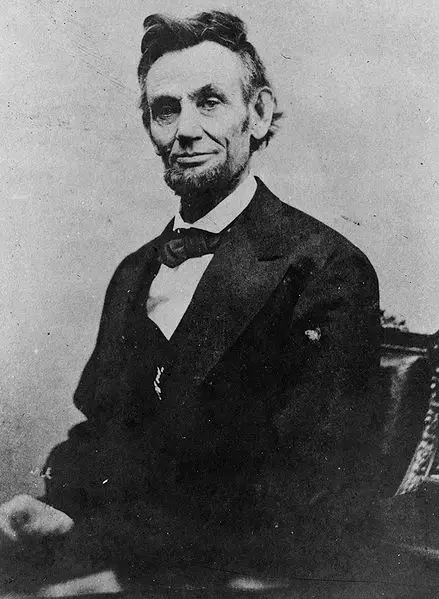
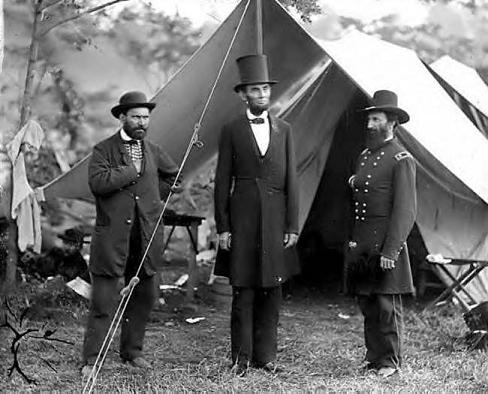
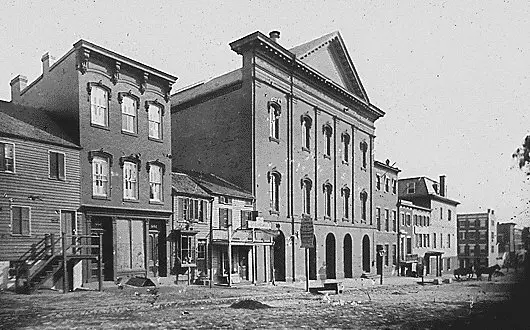
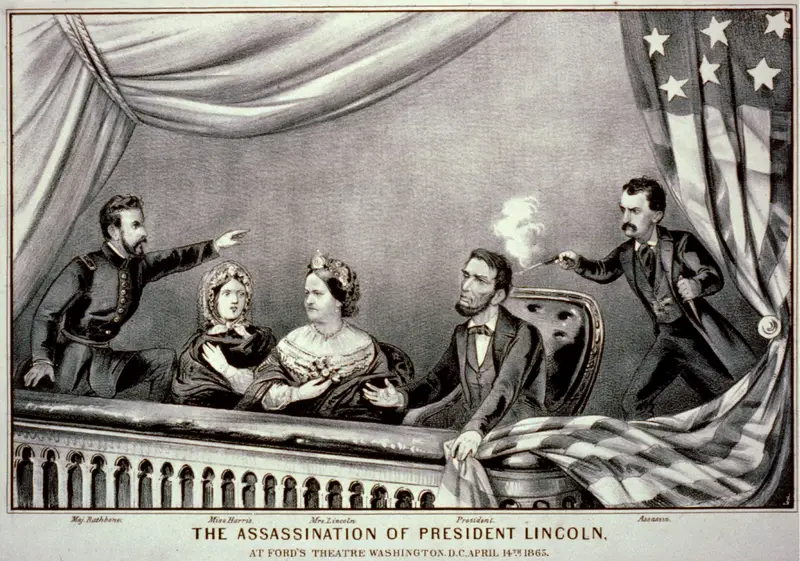
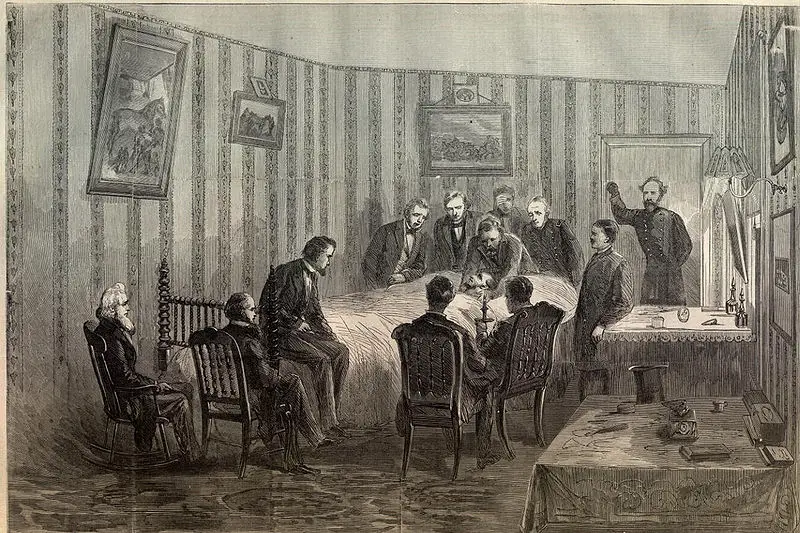
The culmination of his radicalization occurred on the night of April 14, 1865, at Ford's Theatre in Washington D.C. Capitalizing on his familiarity with the venue, Booth gained unauthorized entry to the presidential box where President Abraham Lincoln was attending a play. Operating with calculated precision, he approached from behind, discharged a single round from a .44 caliber Derringer pistol into the back of Lincoln's head, brandished a Bowie knife to fend off witnesses, leaped onto the stage shouting 'Sic semper tyrannis,' and escaped into the night.
3. Investigation and Manhunt
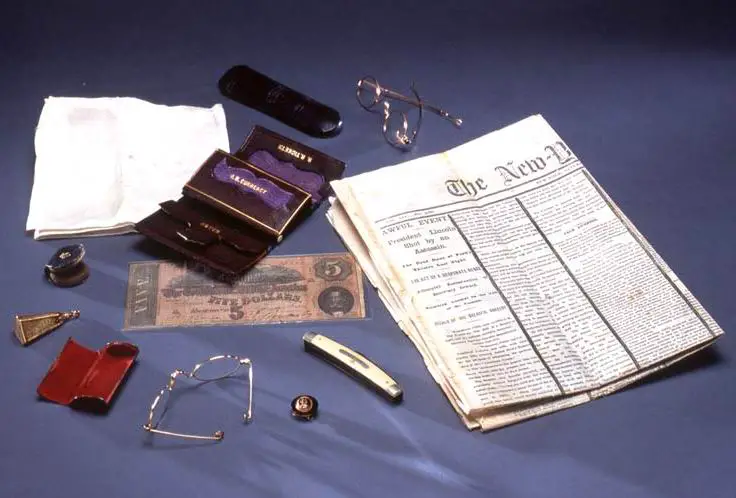
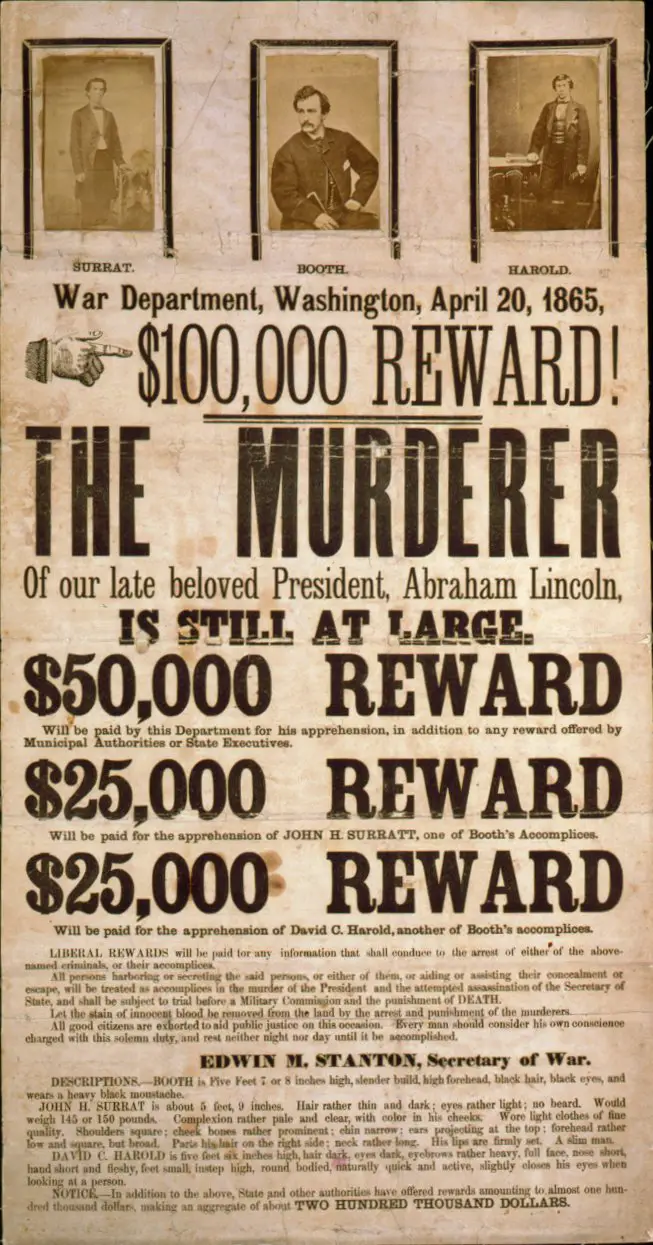
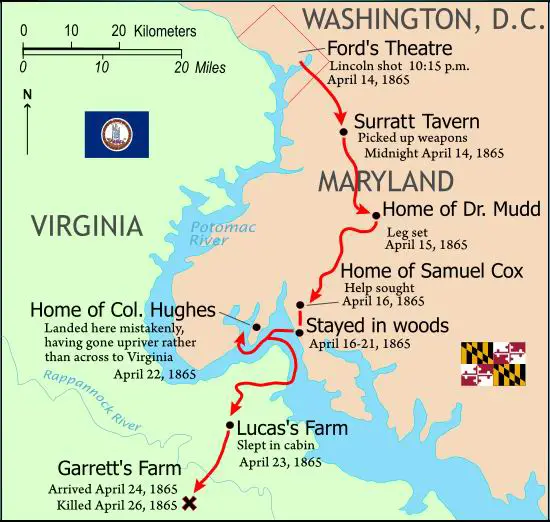
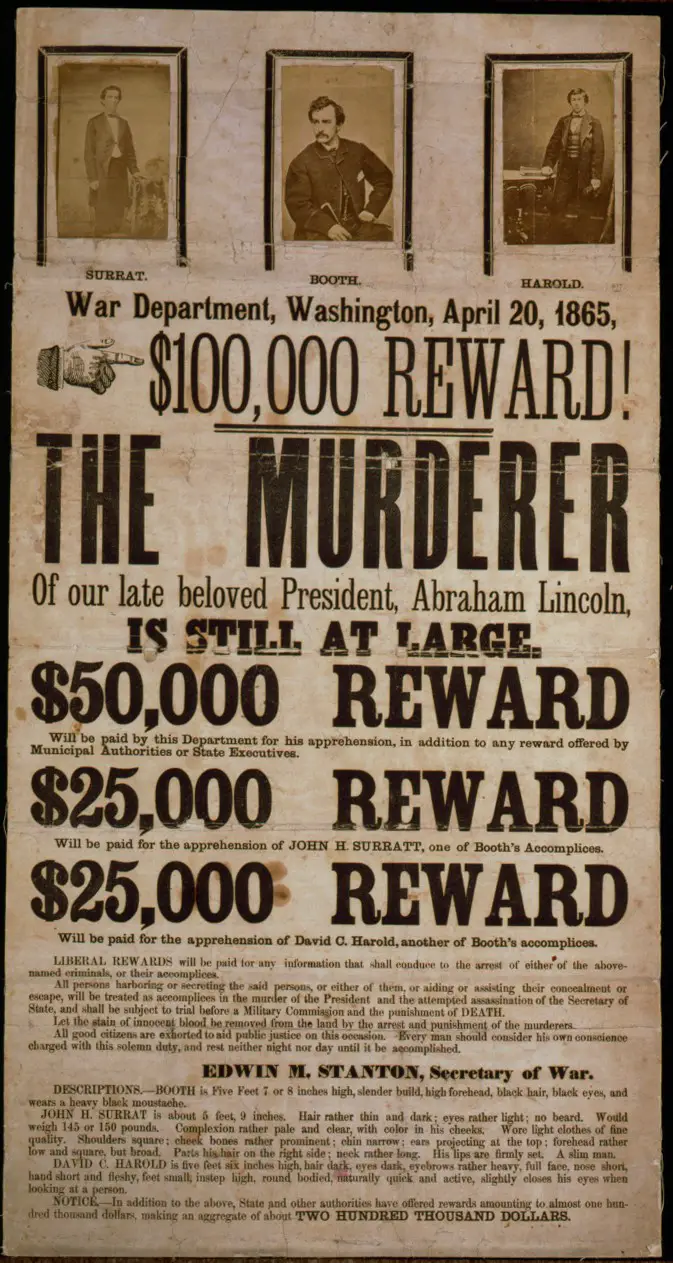
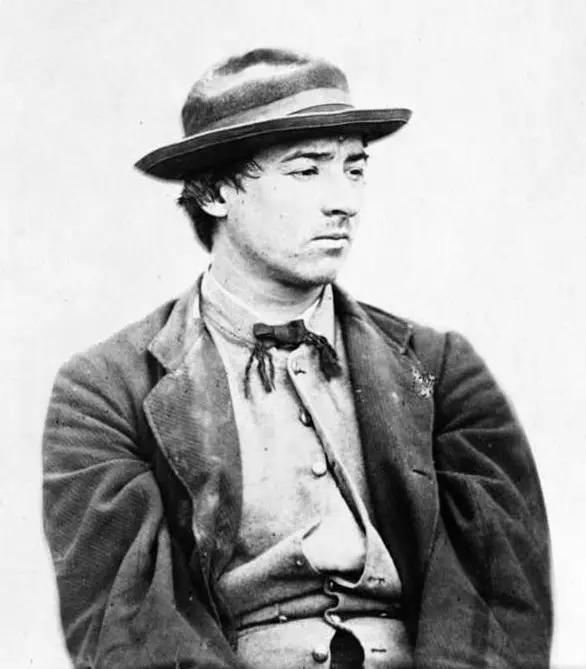
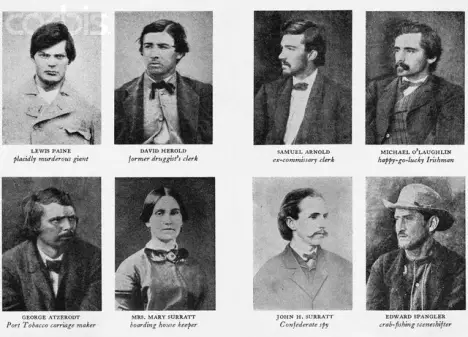
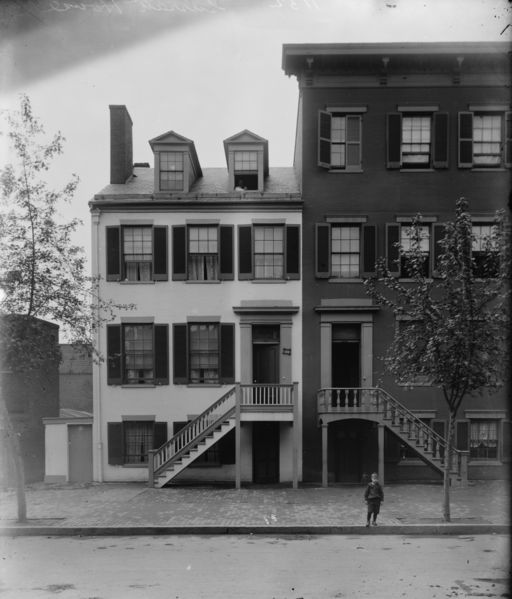
The assassination triggered an unprecedented federal manhunt across Maryland and Virginia. Military intelligence and investigators systematically dismantled Booth's network of accomplices, tracking clues, interrogation testimonies, and physical evidence that eventually cornered the fugitive in rural Virginia.
4. Legal Proceedings and Outcome
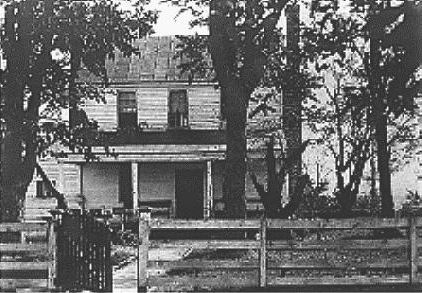
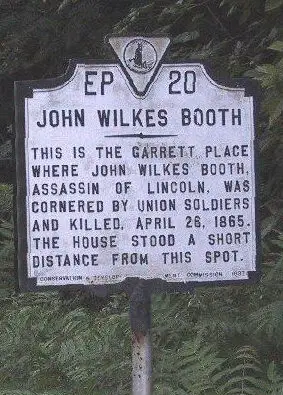
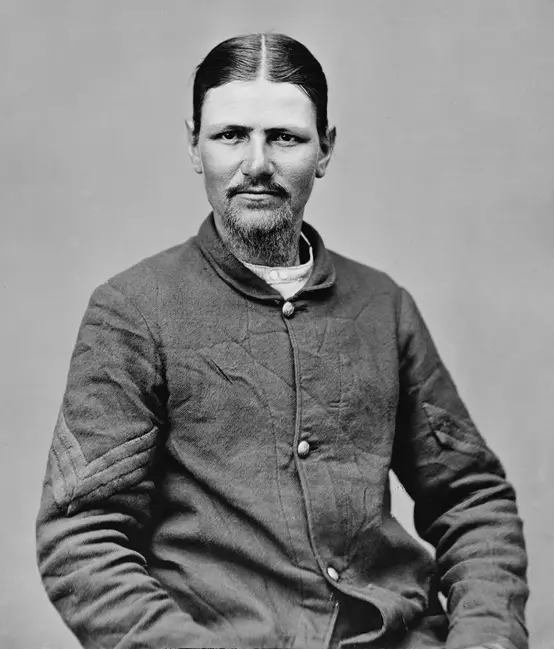
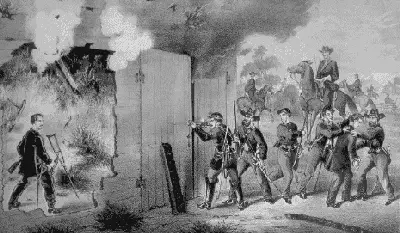
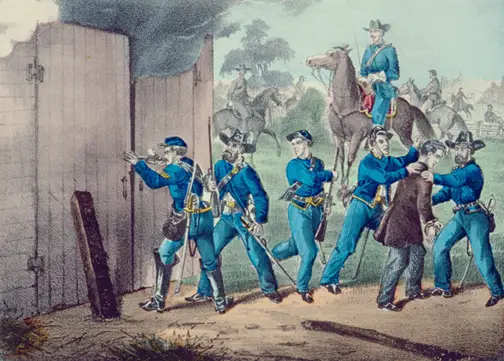
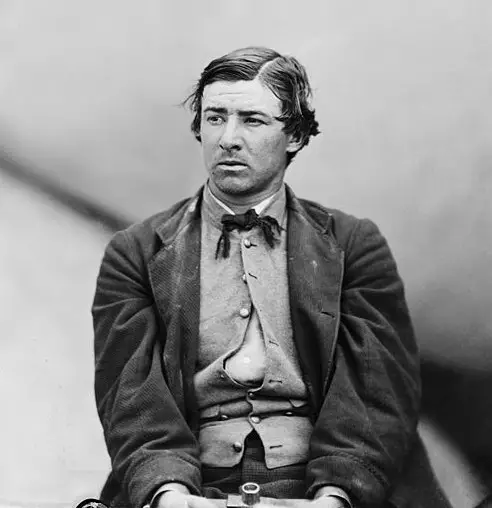
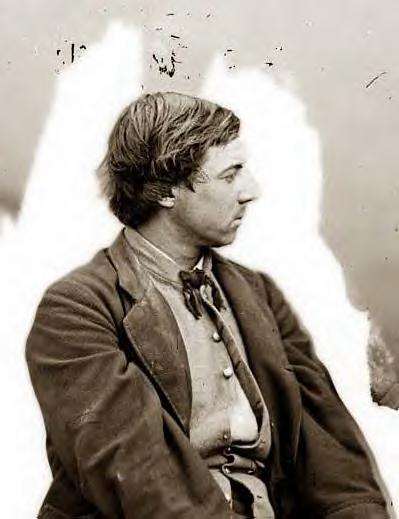
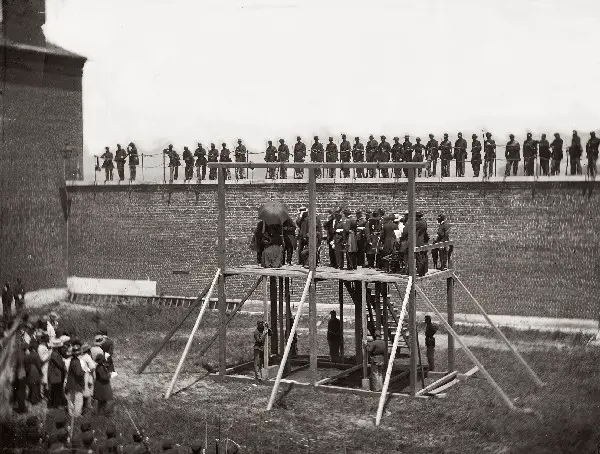
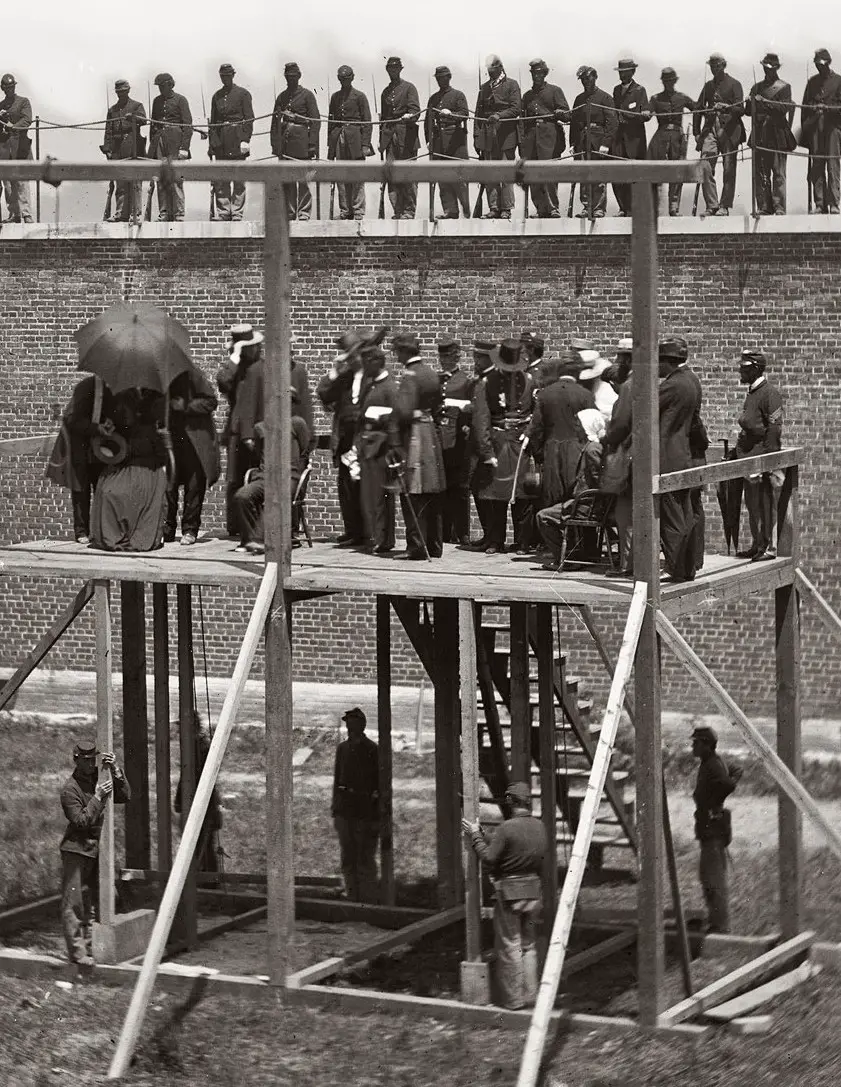
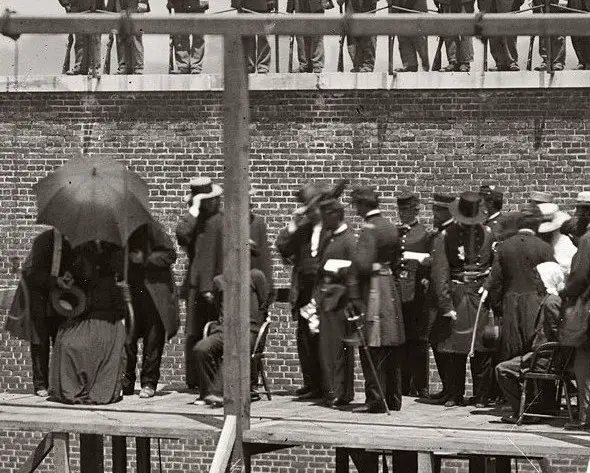
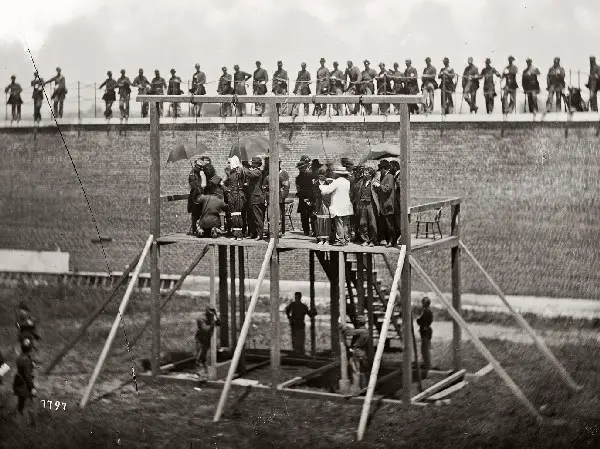
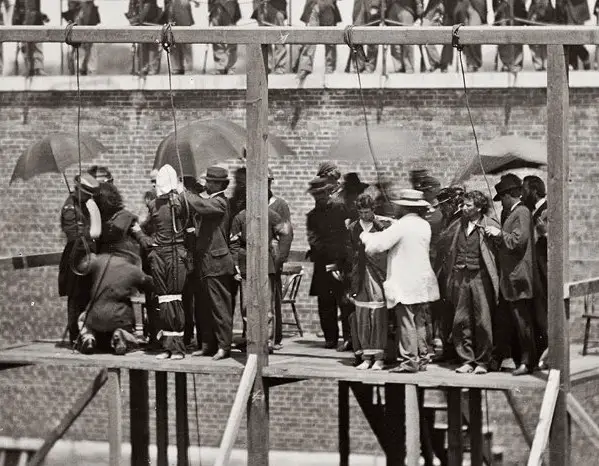
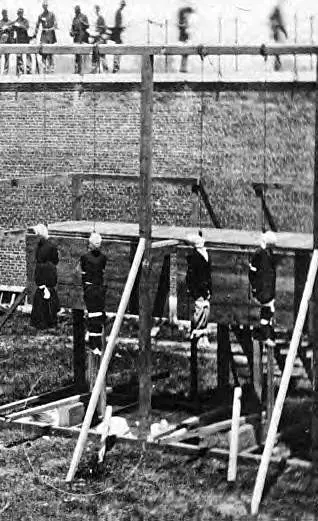
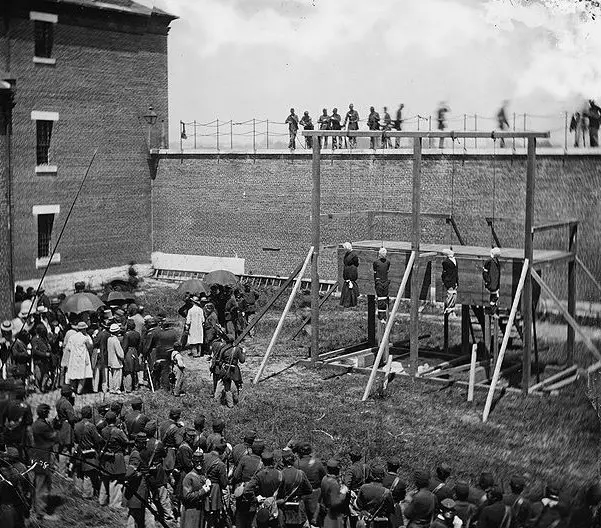
On April 26, 1865, Union cavalry troops surrounded Booth in a tobacco barn near Port Royal, Virginia. When Booth refused demands for unconditional surrender, soldiers set fire to the structure. Amidst the chaos, Sergeant Boston Corbett fired a fatal shot, striking Booth in the neck. Although Booth evaded formal court proceedings due to his mortal wounds, his surviving co-conspirators faced a military tribunal that delivered multiple death sentences and long-term imprisonments.
5. Psychiatric Assessment and Aftermath
Criminologically, Booth exemplifies the political extremist driven by grandiose self-perceptions as a historical savior and rigid ideological dogmatism. His violent demise prevented a civilian trial, concluding a catastrophic chapter of American history that forever impacted executive protection and post-war reconstruction.