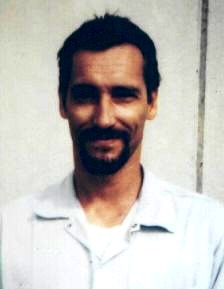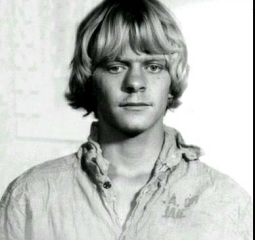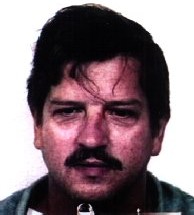



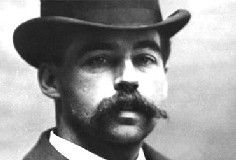
Forensic & Criminological Matrix
| Parameter | Forensic Detail |
|---|---|
| Forensic Heading / Aliases | The Freeway Killer, The Freeway Strangler |
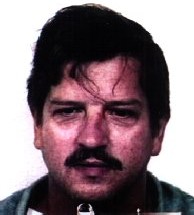
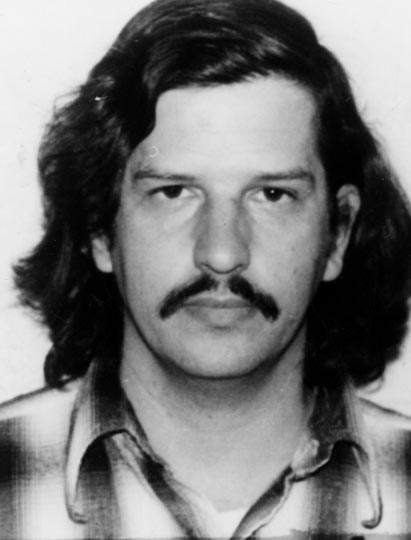
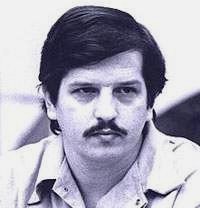
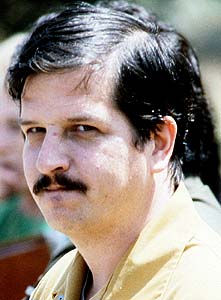
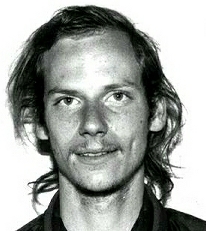
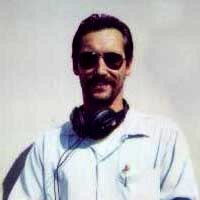
| Legal Identity | William George Bonin |
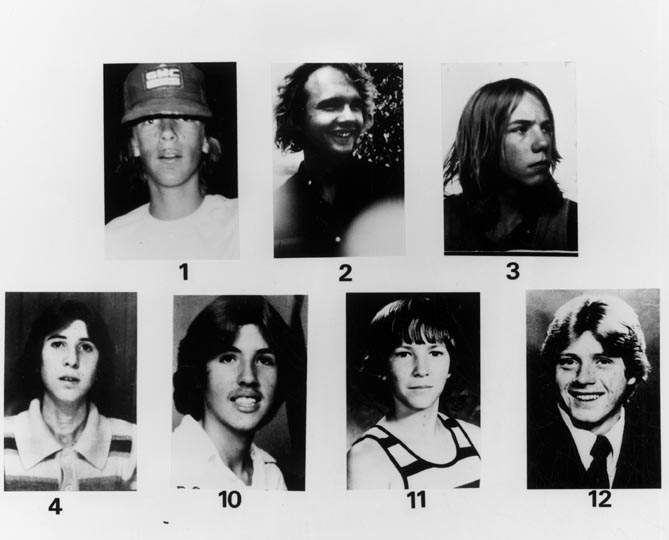
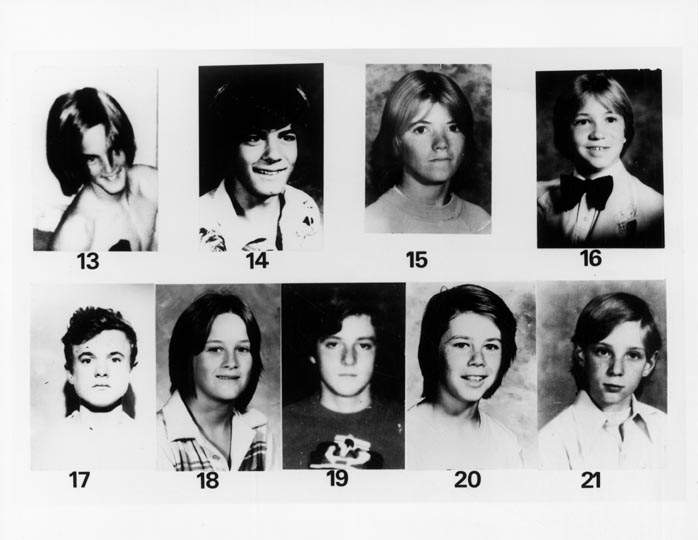
| Confirmed Victims | 14 (confessed to up to 21) |
| Active Timeline | 1979 - 1980 |
| Jurisdiction / Area of Operations | Los Angeles and Orange Counties, California, USA |
| Criminological Classification | Itinerant serial killer / sadistic sexual predator |
| Forensic Modus Operandi | Abducting hitchhikers via van along freeways, sexual assault, severe torture using tools (ice picks, jack handles), ligature strangulation, and roadside dumping |
| Weapon / Mechanism of Death | Ligature strangulation with tourniquet effect, stabbing instruments, blunt force trauma |
| Motive / Behavioral Dynamics | Sexual sadism, extreme paraphilias, power and control over young males |
| Judicial Outcome | Sentenced to death in two separate trials (Los Angeles and Orange Counties); executed by lethal injection in 1996 |
1. Background and Profile
William George Bonin was born on January 8, 1947. His early life was marked by instability and social maladjustment. Prior to initiating his murder spree in southern California, Bonin accumulated a criminal history involving sex offenses against minors and military service in Vietnam. His criminological profile matches that of an itinerant sexual predator who preyed upon vulnerable hitchhikers, runaways, and youths along California's major transportation routes.
2. Crime Spree and Modus Operandi
Between 1979 and 1980, Bonin—frequently aided by an evolving network of teenage and young adult accomplices, including Vernon Robert Butts, Gregory Matthew Miley, William Ray Pugh, and James Michael Munro—kidnapped, raped, tortured, and murdered at least 14 young males across Los Angeles and Orange counties. His method involved patrolling freeways in a van, luring victims under false pretenses, and subjecting them to extreme sadistic abuse. Post-mortem examinations consistently revealed defensive wounds, puncture marks from tools, and fatal ligature strangulation often intensified using leverage devices.
3. Investigation and Arrest
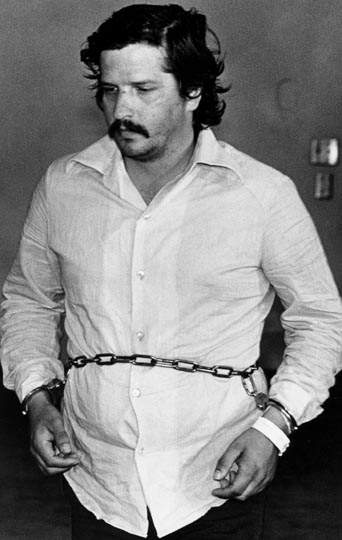
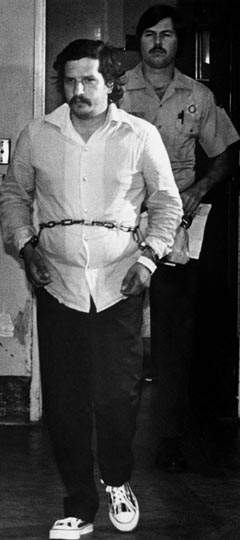
The investigation broke through on May 29, 1980, when 17-year-old accomplice William Ray Pugh was arrested on auto theft charges and disclosed key details regarding Bonin's murders to detectives. Law enforcement established round-the-clock surveillance on Bonin. On June 11, 1980, officers observed Bonin picking up a 15-year-old boy in Hollywood, driving to a vacant lot, and assaulting him. Police intervened immediately, arresting Bonin in the act.
4. Legal Proceedings and Outcome
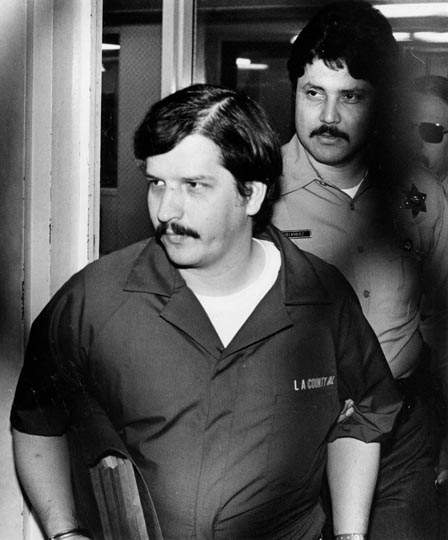
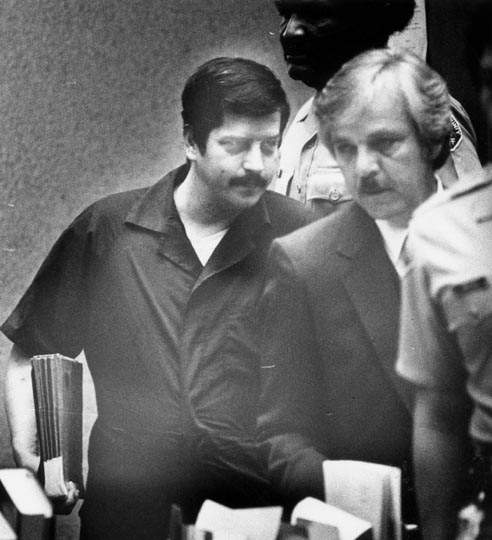
Following his capture, Bonin faced multiple prosecutions. In 1982, he received a death sentence in Los Angeles County for ten murders. Approximately one year later, he was convicted in Orange County for four additional murders, receiving a second death sentence. While on Death Row, numerous appeals prolonged his confinement for over a decade while constitutional debates surrounded capital punishment protocols in California.
5. Psychiatric Assessment and Execution
Forensic psychiatric evaluations concluded that Bonin suffered from severe antisocial personality disorder with pronounced sadistic features, while remaining legally sane and fully cognizant of his actions. William George Bonin was executed by lethal injection at San Quentin State Prison on February 23, 1996, concluding one of the most harrowing forensic investigations in American history.