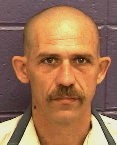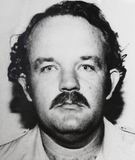
Forensic & Criminological Matrix
| Parameter | Forensic Detail |
|---|---|
| Forensic Heading / Aliases | Martsay Bolder |
| Legal Identity | Martsay L. Bolder |
| Confirmed Victims | 2 (including a 1973 homicide and the 1979 murder of Theron King) |
| Active Timeline | 1973 - 1979 |
| Jurisdiction / Area of Operations | Missouri State Penitentiary (Jefferson City), Missouri, USA |
| Criminological Classification | Repeat offender / Intramural homicide offender |
| Forensic Modus Operandi | Blade attack (concealed weapon) in common prison areas |
| Weapon / Mechanism of Death | Improvised prison knife / Lethal injection (judicial execution) |
| Motive / Behavioral Dynamics | Prison rivalry, personal grievances, and institutional harassment |
| Judicial Outcome | Sentenced to death and executed at Potosi Correctional Center on January 27, 1993 |
1. Background and Profile
Martsay L. Bolder was born in 1957 in the United States. With an early criminal record that included robbery convictions, Bolder was already serving a life sentence at the Missouri State Penitentiary in Jefferson City for a murder committed in 1973 when he was a teenager. His criminological profile reflected a pattern of institutional violence, low frustration tolerance, and poor adaptation to maximum-security correctional environments.
2. Crime Spree and Modus Operandi
On March 14, 1979, a lethal altercation occurred within the prison grounds. Bolder confronted Theron King, an inmate who had previously shared a cell with him. According to investigations and Bolder's own confession, the conflict stemmed from months of tension when King refused to disclose information regarding the murder of Bolder's brother, compounded by rumors and taunts regarding prison dynamics. After exchanging verbal insults, Bolder retrieved a knife, concealed it inside a plastic bag, and attacked King in front of eyewitnesses, inflicting fatal stab wounds to the abdomen.
3. Investigation and Forensic Pursuit
The crime was witnessed directly by vocational instructors Kenneth Giboney and Arthur Luecke, who observed the assault from an institutional vehicle and immediately notified correctional staff. The prompt response allowed authorities to secure the crime scene, recover the weapon, and obtain a full confession from Bolder, who justified the homicide as retaliation for verbal abuse and disrespect.
4. Legal Proceedings and Outcome
Bolder was prosecuted and convicted of first-degree murder committed within a correctional facility. During his 1982 trial, defense counsel Julian Ossman presented no mitigating evidence during the sentencing phase, relying solely on arguments against the death penalty. The jury sentenced Bolder to death. Over the next decade, defense teams filed numerous appeals and federal habeas corpus petitions, arguing ineffective assistance of counsel—citing failure to investigate childhood trauma and borderline intelligence—and alleging medical malpractice as the cause of the victim's death. All appeals were ultimately rejected by the Eighth Circuit Court of Appeals and the United States Supreme Court.
5. Psychiatric Evaluation and Final Outcome
Psychiatric evaluations determined that Bolder did not suffer from a severe mental disease or defect, finding him legally competent and capable of conforming his conduct to the law. With all legal avenues exhausted, Martsay Bolder was executed by lethal injection on January 27, 1993, at the Potosi Correctional Center, becoming the eighth prisoner executed in Missouri since the state resumed capital punishment.