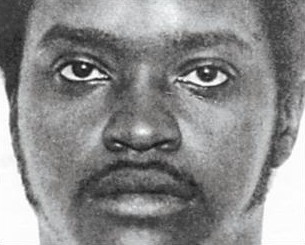




Forensic & Criminological Matrix
| Parameter | Forensic Detail |
|---|---|
| Forensic Heading / Aliases | Richard T. Boggs |
| Legal Identity | Richard T. Boggs |
| Confirmed Victims | 1 (Treeby M. Shaw, 87) |
| Active Timeline | January 25, 1984 |
| Jurisdiction / Area of Operations | Portsmouth, Virginia, United States |
| Criminological Classification | Felony murderer / Robbery homicide |
| Forensic Modus Operandi | Pretextual friendly visit, blunt force trauma with a steel rod, and fatal stabbing with a kitchen knife to steal valuables |
| Weapon / Mechanism of Death | 4-inch steel cylinder and butcher knife |
| Motive / Behavioral Dynamics | Financial need to fund illicit drug use |
| Judicial Outcome | Sentenced to death, executed via electric chair on July 20, 1990 |
1. Background and Psychopathy
Richard T. Boggs was a young resident of Portsmouth, Virginia, whose life deteriorated due to severe substance abuse. Defense teams later argued he suffered from fetal alcohol syndrome-induced brain damage affecting impulse control, though courts ultimately upheld his capital sentence.
2. Crime Spree
On January 25, 1984, after fleeing a hit-and-run traffic accident, Boggs visited his lifelong 87-year-old neighbor, Treeby M. Shaw, under the guise of borrowing a book. After accepting her hospitality and drinking three cups of tea, Boggs bludgeoned her with a cylindrical steel piece. Finding she was still breathing, he retrieved a butcher knife from the kitchen and stabbed her to death before stealing family silver and jewelry.
3. Investigation and Forensic Pursuit
Law enforcement connected Boggs to the homicide after informants reported he was attempting to sell stolen silverware. On February 17, 1984, police arrested Boggs following a high-speed vehicle pursuit and hit-and-run incident. An inventory search of his impounded car yielded the stolen silver in the trunk, leading to his confession following Miranda advisement.
4. Legal Proceedings and Outcome
Boggs was tried, convicted of capital murder, and sentenced to death. His defense counsel exhausted appeals up to the U.S. Supreme Court, challenging the constitutionality of electrocution and citing neurological impairment. The stays were denied, and Richard T. Boggs was executed by electric chair at the Virginia State Penitentiary on July 20, 1990.