



Forensic & Criminological Matrix
| Parameter | Forensic Detail |
|---|---|
| Forensic Heading / Aliases | John Richard Blackwelder |
| Legal Identity | John Richard Blackwelder |
| Confirmed Victims | 1 (Raymond Wigley) |
| Active Timeline | May 2000 |
| Jurisdiction / Area of Operations | Columbia Correctional Institution and Florida State Prison, USA |
| Criminological Classification | Suicide by proxy / Court-ordered suicide offender |
| Forensic Modus Operandi | Luring the victim into the cell under false pretenses, binding, and calculated strangulation |
| Weapon / Mechanism of Death | Manual strangulation / Ligature |
| Motive / Behavioral Dynamics | Impulse control disorder, antisocial personality disorder; desire to escape life imprisonment via capital punishment |
| Judicial Outcome | Convicted of first-degree murder; executed by lethal injection on May 26, 2004 |
1. Background and Profile
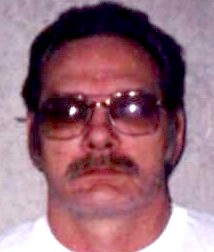
John Richard Blackwelder was born in 1954. Prior to committing the murder that secured his path to death row, he was serving a life sentence without parole following sex-related convictions in St. Lucie County. Psychological evaluations characterized Blackwelder as presenting traits consistent with antisocial personality disorder and impulse control disorder, marked by a high capacity for interpersonal manipulation.
2. Crime Spree and Modus Operandi
While incarcerated at the Columbia Correctional Institution in May 2000, Blackwelder orchestrated a plan to engineer his own execution, as he found life imprisonment intolerable yet could not bring himself to commit suicide. He targeted his cellmate, Raymond Wigley—who was serving a life sentence for murder. Blackwelder lured Wigley under the promise of a sex act, bound him to the bed, and systematically strangled him. He immediately confessed to the crime to guarantee a death sentence.
3. Investigation and Forensic Pursuit
The investigation into Wigley's murder was straightforward due to Blackwelder's immediate confession. However, the case took a bizarre turn days before his scheduled execution in May 2004 when Blackwelder contacted Monica Caison, director of the CUE Center for Missing Persons, claiming responsibility for the murders of up to 60 missing youths and offering body locations in exchange for ensuring his execution proceeded. Florida law enforcement investigated the claims and verified through DNA and investigative reviews that Blackwelder's assertions were fabricated manipulations.
4. Legal Proceedings and Outcome
Following his guilty plea to first-degree murder, Blackwelder actively dropped his legal appeals to expedite his execution. A 24-hour stay of execution was granted after an inmate submitted a tip alleging another person confessed to the killing; however, DNA evidence conclusively disproved the claim. Blackwelder was executed by lethal injection at Florida State Prison on May 26, 2004, at age 50.
5. Psychiatric Assessment and Aftermath
From a criminological standpoint, Blackwelder's case exemplifies the phenomenon of surrogate suicide or suicide by court order. Clinical assessments highlighted his antisocial framework and manipulative strategies, demonstrating how an offender utilized the ultimate sanction of the state to bypass personal inhibitions against suicide.