Forensic & Criminological Matrix
| Parameter | Forensic Detail |
|---|---|
| Forensic Heading / Aliases | Jerry |
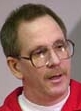
| Legal Identity | Gerald Wayne Bivins |
| Confirmed Victims | 1 |
| Active Timeline | 1991 |
| Jurisdiction / Area of Operations | Indiana, USA |
| Criminological Classification | Robbery-homicide offender |
| Forensic Modus Operandi | Summary execution following witness recognition |
| Weapon / Mechanism of Death | Firearm |
| Motive / Behavioral Dynamics | Robbery and witness elimination |
| Judicial Outcome | Death penalty (lethal injection) |
1. Background and Profile
Gerald Wayne Bivins was a native of Evansville, Indiana. His life was characterized by chronic substance abuse and a history of criminal activity. He had previously been involved in rehabilitation programs, which eventually led to his encounter with the victim.
2. Criminal Career and Modus Operandi
On January 16, 1991, Bivins and two accomplices were engaged in a two-day crime spree. At a rest stop on Interstate 65, they confronted Reverend William Radcliffe. Bivins shot the minister after realizing the victim recognized him from a previous rehabilitation program.
3. Investigation and Arrest
Law enforcement quickly identified Bivins as the primary perpetrator. While authorities initially speculated on a 'thrill killing' motive, Bivins maintained that the murder was a tactical decision to eliminate a witness during a robbery.
4. Legal Proceedings and Outcome
Bivins was convicted and sentenced to death in 1992. He eventually waived his remaining appeals, citing exhaustion with the prison system and a desire to end his life sentence.
5. Forensic Conclusion
Gerald Bivins was executed by lethal injection on March 14, 2001, at the Indiana State Prison. His case remains a significant study in the intersection of substance abuse, recidivism, and the application of capital punishment in Indiana.