



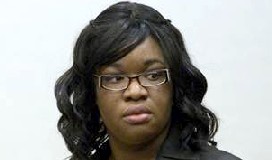
Forensic & Criminological Matrix
| Parameter | Forensic Detail |
|---|---|
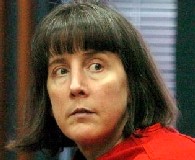
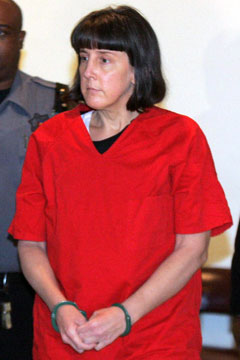
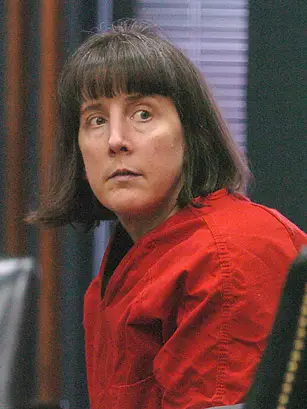
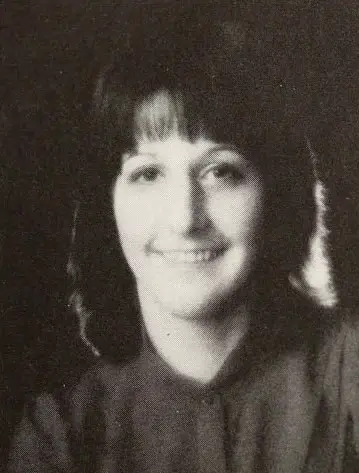
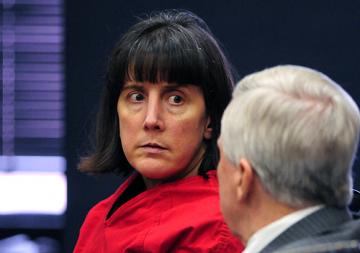
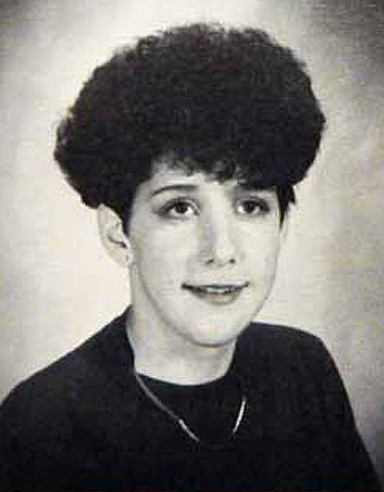
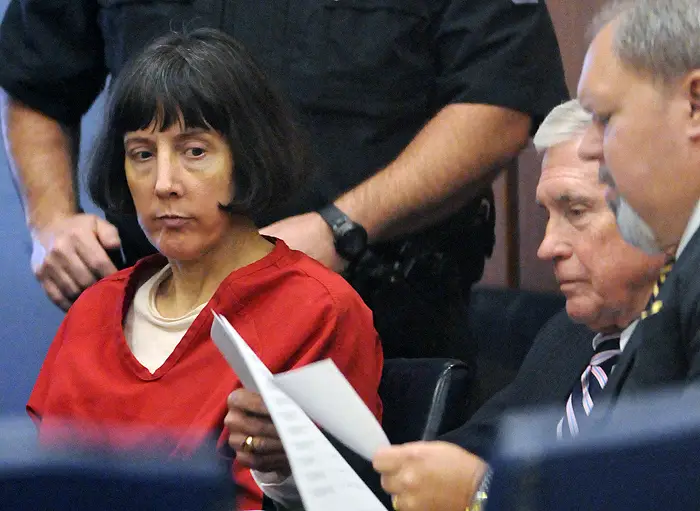
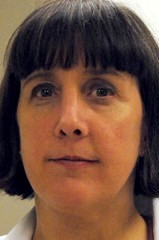
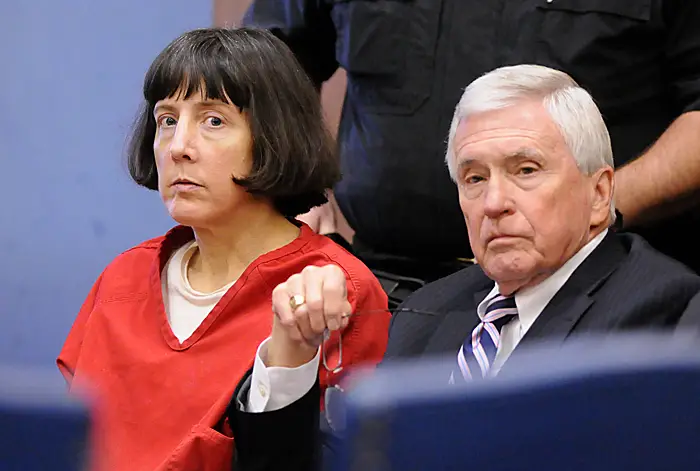
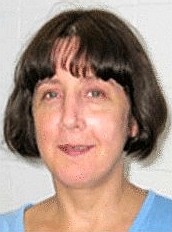
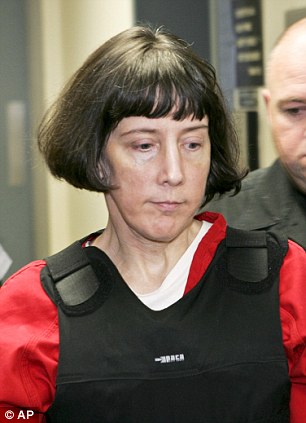
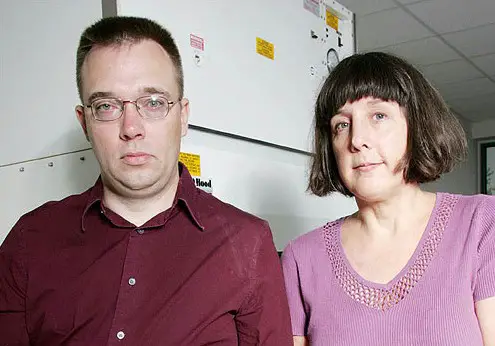
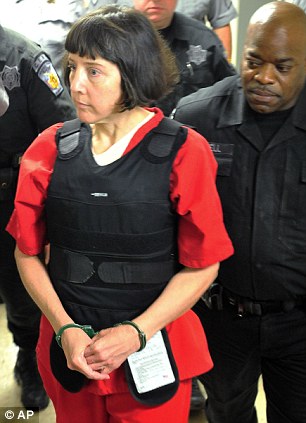
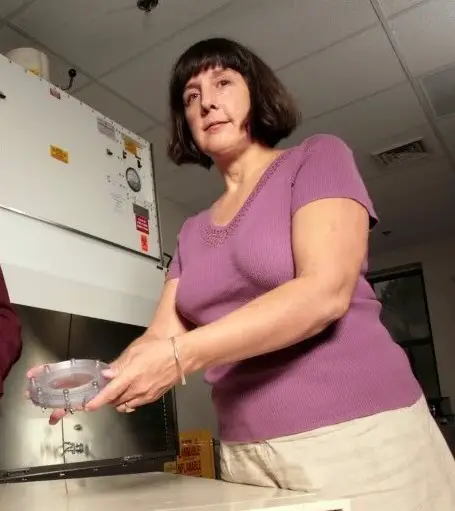
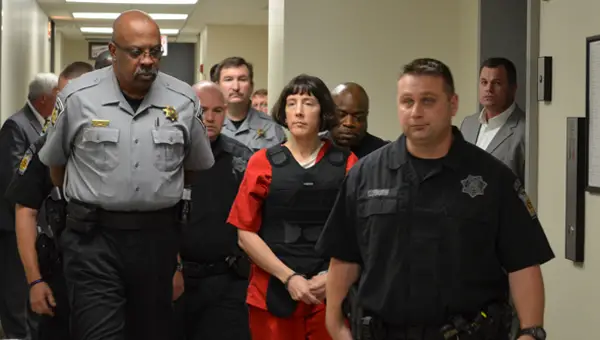
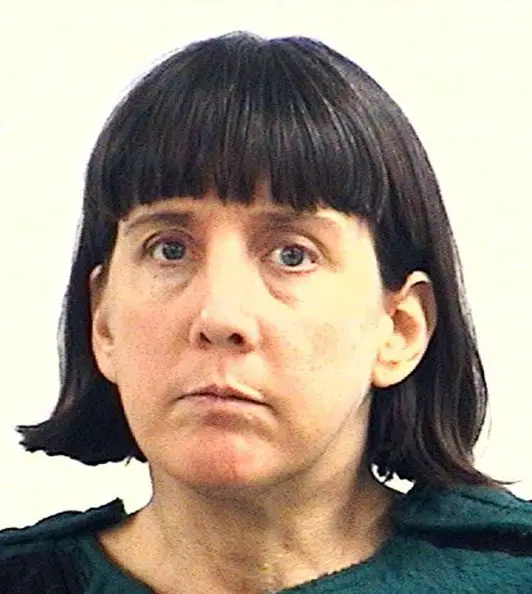
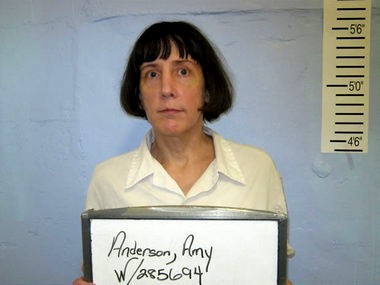
| Forensic Heading / Aliases | Amy Bishop / The Huntsville Shooter |
| Legal Identity | Amy Bishop Anderson |
| Confirmed Victims | 4 (including the initial 1986 homicide of her brother) |
| Active Timeline | 1986; 2010 |
| Jurisdiction / Area of Operations | Braintree, Massachusetts; Huntsville, Alabama, USA |
| Criminological Classification | Mass murderer / workplace and domestic homicide offender |
| Forensic Modus Operandi | Planned execution using a 9mm handgun in enclosed professional settings targeting colleagues following professional grievances |
| Weapon / Mechanism of Death | 9mm semiautomatic handgun |
| Motive / Behavioral Dynamics | Severe behavioral disorders, pathological narcissism, extreme occupational frustration due to tenure denial |
| Judicial Outcome | Life imprisonment without the possibility of parole (sentenced on September 24, 2012) |
1. Background and Psychopathy
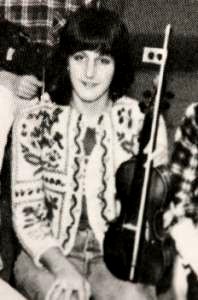
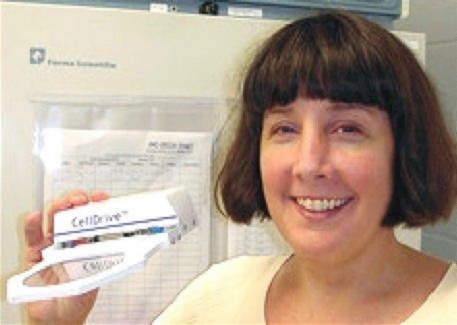
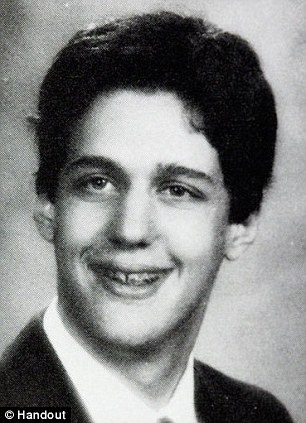
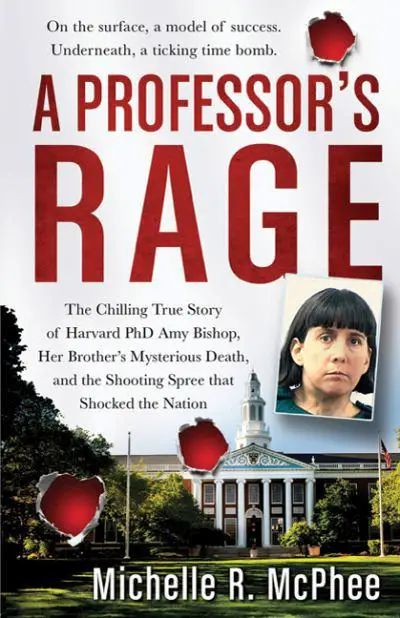
Amy Bishop was born on April 24, 1965, in the United States, into an academically oriented family. She earned her undergraduate degree from Northeastern University in Boston and her Ph.D. in genetics from Harvard University. Despite a promising scientific resume containing academic publications and biotechnology research, Bishop exhibited a long-standing pattern of erratic behavior, verbal aggressiveness, and a profound detachment from reality that alarmed colleagues and acquaintances alike.
2. Crime Spree
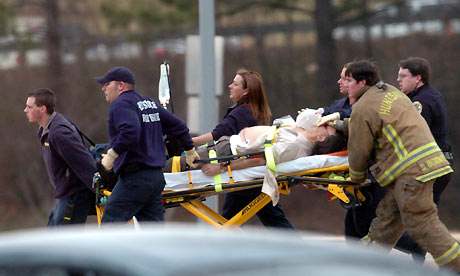
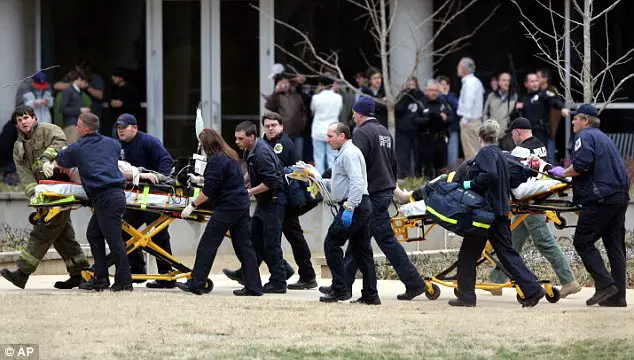
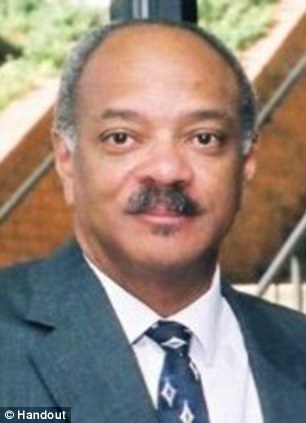
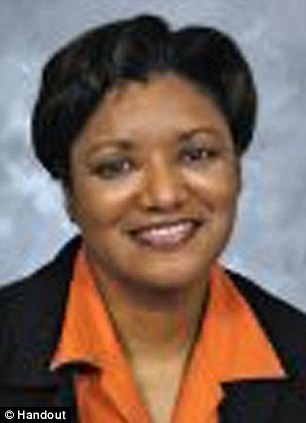
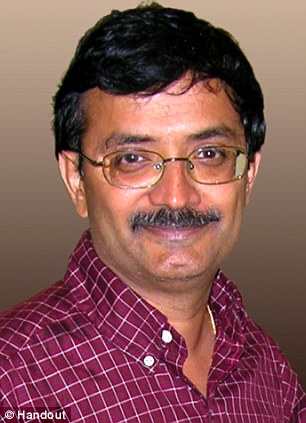
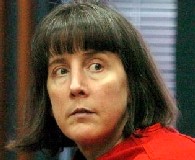
Bishop's violent history preceded the Alabama massacre by decades. On December 6, 1986, in Braintree, Massachusetts, she fatally shot her 18-year-old brother, Seth Bishop. Although local authorities initially ruled the incident a firearms accident, the case was heavily re-evaluated following her later crimes. Years later, on February 12, 2010, while working as an assistant professor of biology at the University of Alabama in Huntsville (UAH), Bishop attended a routine departmental faculty meeting. After sitting quietly for roughly forty minutes, she drew a 9mm handgun and methodically opened fire on her colleagues, killing biology department chairman Gopi Padila and professors Maria Ragland Davis and Adriel Johnson, while wounding three others before her weapon jammed.
3. Police Investigation and Forensic Hunt
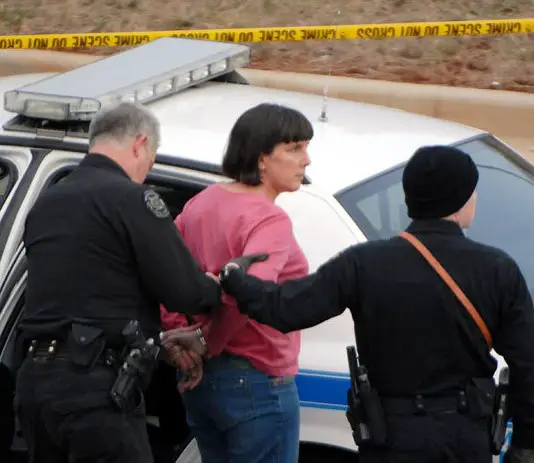
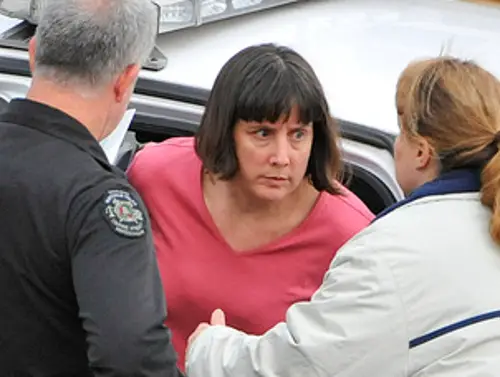
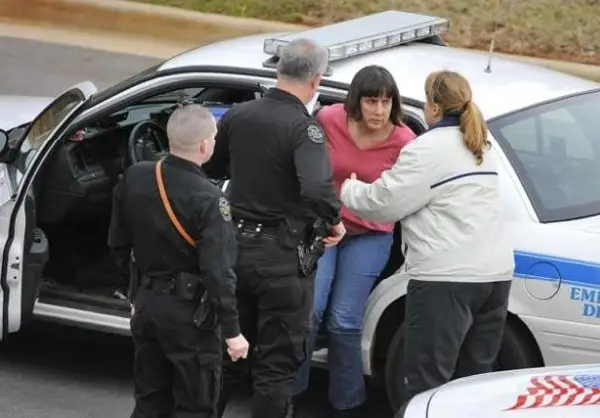
Immediately following the shooting inside the Shelby Center for Science and Technology, Bishop fled the room and discarded the murder weapon in a second-floor restroom. She was apprehended within minutes by responding officers outside the building. Subsequent investigations revealed she had methodically planned the attack after being denied tenure the previous year. Evidence also surfaced regarding her turbulent professional relationships and her husband's involvement in escorting her to shooting ranges in the weeks leading up to the massacre.
4. Arrest and Judicial Proceedings
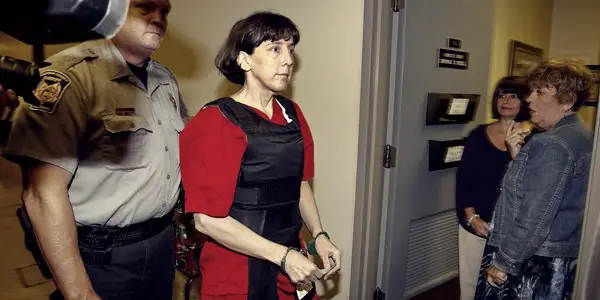
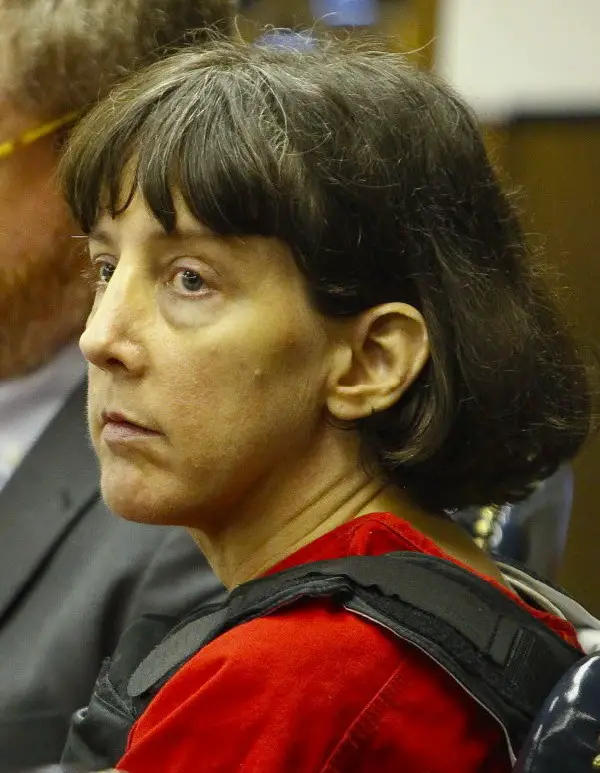
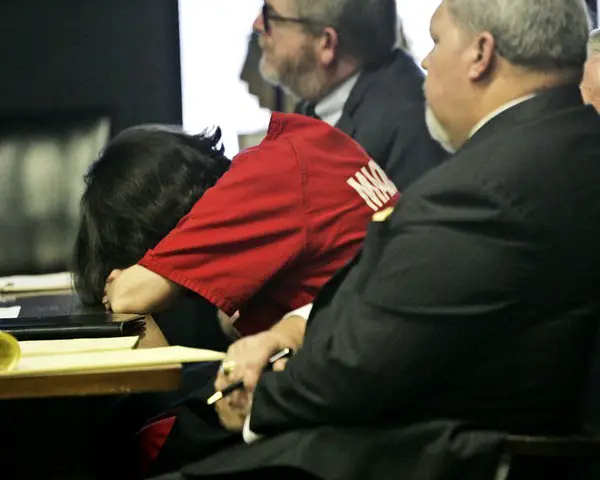
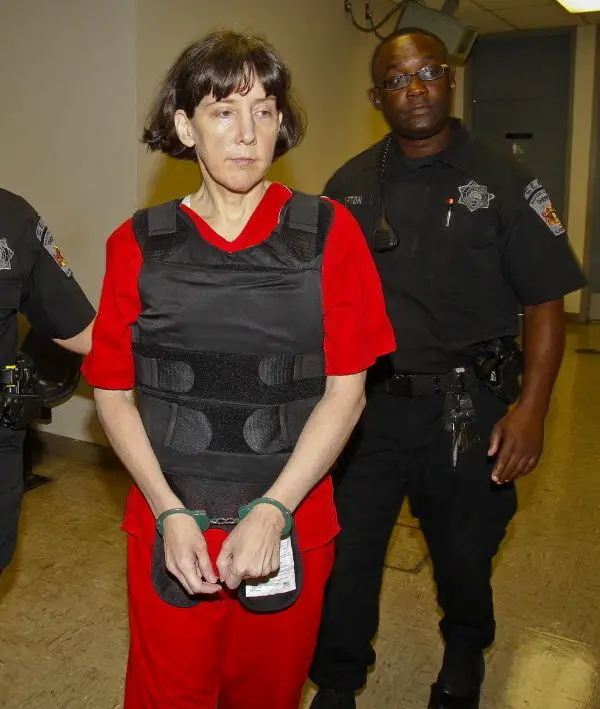
Following her arrest, Bishop expressed apparent disbelief and cognitive denial regarding the carnage. She was charged with one count of capital murder and three counts of attempted murder. On September 11, 2012, in a legal maneuver to avoid the death penalty, Bishop pleaded guilty to all charges. On September 24, 2012, an Alabama court formally sentenced her to life imprisonment without the possibility of parole.
5. Psychiatric Assessment and Aftermath
Psychiatric evaluations and coworker testimonies depicted Bishop as intensely self-absorbed, incapable of accepting professional criticism, and convinced she was the victim of systemic conspiracies. Her criminological file highlights a dangerous intersection of pathological narcissism and acute professional failure, exposing institutional vulnerabilities that allowed her initial 1986 homicide to remain unpunished until her violent resurgence decades later.