



Forensic & Criminological Matrix
| Parameter | Forensic Detail |
|---|---|
| Forensic Heading / Aliases | Karen Biraghi |
| Legal Identity | Karen Lyn Biraghi |
| Confirmed Victims | 1 (Alan Biraghi, 31) |
| Active Timeline | December 24, 2011 |
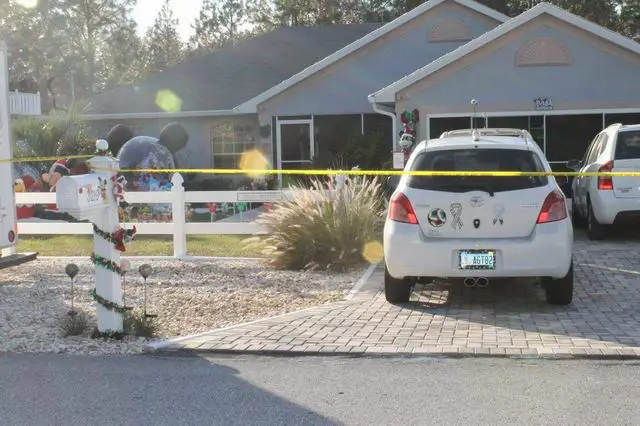
| Jurisdiction / Area of Operations | Spring Hill, Hernando County, Florida, USA |
| Criminological Classification | Spousal homicide / Parricide / Domestic homicide |
| Forensic Modus Operandi | Pre-purchase of a .38-caliber revolver, waiting for the victim to fall asleep on the couch after completing a newspaper delivery route, discovery of incriminating text messages on a secondary mobile phone, and execution via a contact/close-range gunshot to the back of the head. |
| Weapon / Mechanism of Death | .38-caliber revolver / Firearm trauma |
| Motive / Behavioral Dynamics | Marital infidelity, imminent abandonment by the victim, severe underlying psychiatric disorders (bipolar disorder, depression, PTSD, OCD, bulimia), and substance/painkiller abuse. |
| Judicial Outcome | Open guilty plea to second-degree murder; sentenced to life in prison on March 28, 2013, by Circuit Judge Daniel B. Merritt Jr. |
1. Background and Psychopathy
Karen Lyn Biraghi was born in 1972. Her personal history was tainted by familial psychiatric vulnerabilities, including a maternal grandmother diagnosed with severe paranoid schizophrenia. Forensic psychologists noted that early childhood trauma and abuse severely impaired her coping mechanisms and emotional maturity. Over time, Biraghi developed a complex clinical profile involving bipolar disorder, major depression, post-traumatic stress disorder (PTSD), obsessive-compulsive disorder (OCD), bulimia, and a history of substance and analgesic abuse.
2. Crime Spree
Karen's decade-long marriage to 31-year-old Alan Biraghi had deteriorated significantly by late 2011. Alan decided to leave their Spring Hill, Florida home to pursue a romantic relationship with a coworker, intending to move out shortly after Christmas. Confronted with the imminent dissolution of her marriage and after discovering a secondary cell phone used by Alan to conceal his affair, Karen spiraled into acute emotional distress, intense jealousy, and despondency.
On December 21, 2011, Karen visited a pawnshop to place a down payment on a .38-caliber revolver, later claiming fear and marital distress. In the early morning hours of December 24, 2011, after Alan completed his newspaper delivery route and fell asleep on the couch, Karen retrieved the firearm, loaded it with six rounds, and deliberated for approximately an hour before approaching the couch and shooting him in the back of the head.
3. Police Investigation and Forensic Hunt
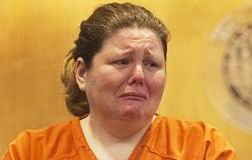
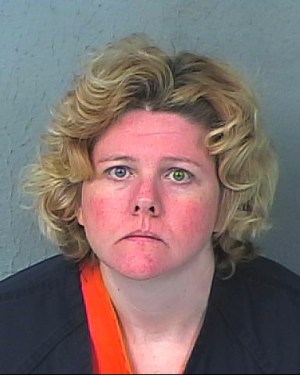
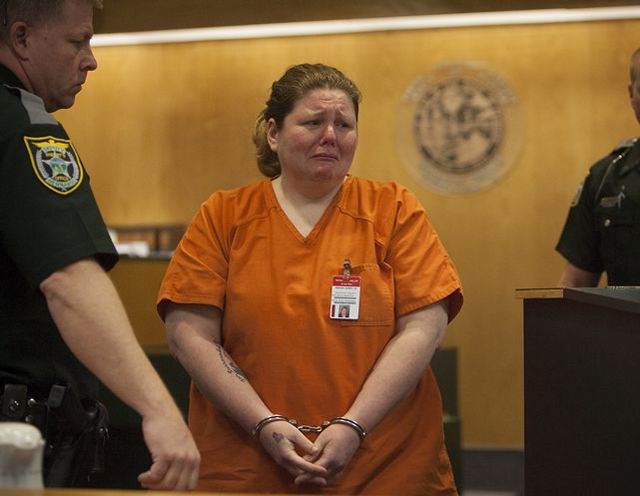
Immediately following the homicide on Christmas Eve 2011, Karen Biraghi traveled to her mother's residence to confess and subsequently dialed 911. Deputies from the Hernando County Sheriff's Office responded to the scene and arrested her without incident. During subsequent interviews, Biraghi confessed to the shooting, attributing her actions to years of alleged verbal abuse and psychological strain resulting from her husband's departure.
4. Arrest and Judicial Proceedings
Initially charged with first-degree murder, which carried a mandatory life sentence upon conviction, Biraghi's defense team, led by attorney Larry C. Hoffman, pursued a mitigation strategy centered on her severe mental health impairments. In January 2013, Biraghi entered an open guilty plea to the reduced charge of second-degree murder, waiving her right to a trial while leaving sentencing discretion entirely to the judicial bench.
5. Psychiatric Evaluation and Aftermath
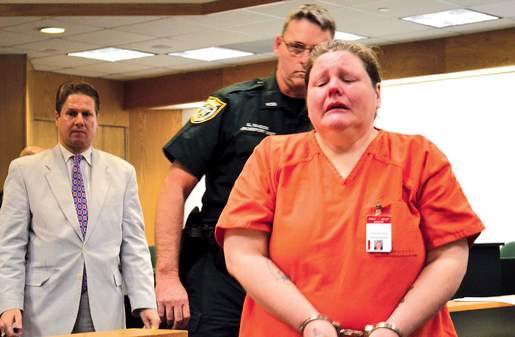
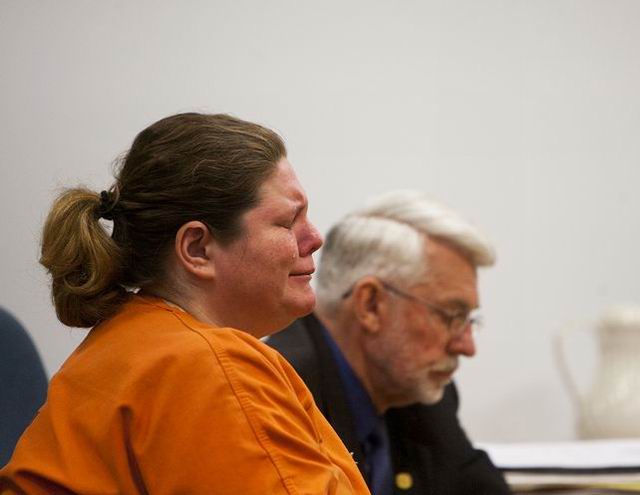
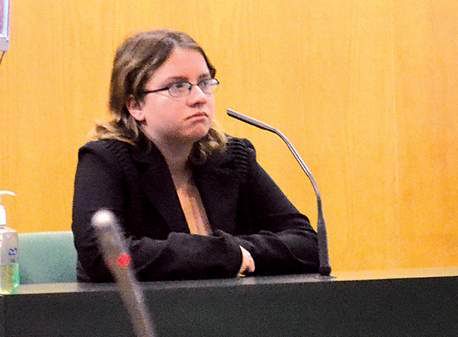
During the sentencing hearing in March 2013, forensic psychologist Valerie McClain testified regarding Biraghi's psychiatric pathologies, adolescent-level coping skills, and physiological impacts of eating disorders and substance abuse. Despite testimony reflecting remorse and an extraordinary statement of forgiveness from the victim's mother, Rosemary Ann Biraghi, Circuit Judge Daniel B. Merritt Jr. imposed the maximum sentence of life imprisonment, emphasizing the calculated and devastating nature of the crime.