


Forensic & Criminological Matrix
| Parameter | Forensic Detail |
|---|---|
| Forensic Heading / Aliases | The Mayflower Murderer |
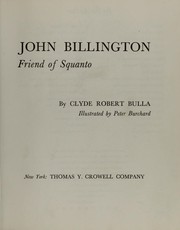
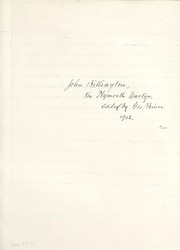
| Legal Identity | John Billington |
| Confirmed Victims | 1 |
| Attributed / Indicted Victims | 1 |
| Active Timeline | 1630 |
| Jurisdiction / Area of Operations | Plymouth Colony, Massachusetts (USA) |
| Criminological Classification | Personal dispute homicide / Historical offender |
| Forensic Modus Operandi | Lying in wait (ambush) and ballistic execution at close range |
| Weapon / Mechanism of Death | Blunderbuss / Firearm projectile |
| Motive / Behavioral Dynamics | Vengeance and chronic hostility toward colonial authorities |
| Judicial Outcome | Convicted of willful murder by grand and petty juries; hanged in September 1630 |
1. Background and Profile
John Billington was born around 1580 in England, likely near Lincolnshire. He boarded the Mayflower in 1620 alongside his wife Elinor and sons Francis and John Jr. Unlike the separatist Puritans ("Saints") who led the expedition, the Billingtons belonged to the non-separatist group known as the "Strangers," having fled England to escape creditors. From the voyage onward, John Billington established a reputation as a disruptive, foul-mouthed miscreant who continually clashed with colonial leadership.
2. Crime Spree and Modus Operandi
Throughout his years in Plymouth, Billington amassed a record of insubordination, contempt of court, and political agitation. In September 1630, following a heated argument over hunting rights and lingering animosity, Billington resolved a personal grudge by waylaying a young colonist named John Newcomin. He ambushed Newcomin and shot him in the shoulder with a blunderbuss, inflicting fatal wounds.
3. Investigation and Arrest
The investigation was spearheaded by Governor William Bradford and local magistrates. Investigators established that Billington had stalked Newcomin following a previous dispute. The physical evidence, combined with witness testimony regarding the ambush and the perpetrator's movements, pointed conclusively to Billington as the sole gunman.
4. Legal Proceedings and Outcome
Billington's trial stands as the first recorded murder prosecution in colonial New England. Facing a grand and petty jury, Governor Bradford consulted with Governor John Winthrop of the Massachusetts Bay Colony to ensure jurisdictional validity and moral consensus. Both leaders agreed that capital punishment was mandatory. Billington was found guilty of willful murder and sentenced to death.
5. Psychological Evaluation and Outcome
Retrospective criminological assessment portrays Billington as an individual exhibiting severe antisocial personality traits, chronic defiance of authority, and recurrent aggression. His public execution by hanging in September 1630 at Plymouth effectively closed the chapter on the first capital case in American legal history, setting an uncompromising precedent for criminal justice in the nascent colonies.