



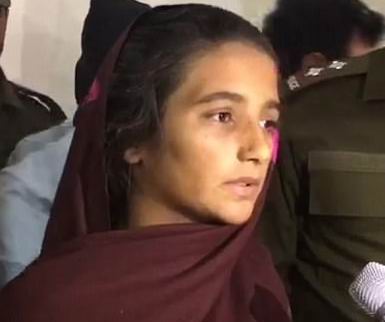
Forensic & Criminological Matrix
| Parameter | Forensic Detail |
|---|---|
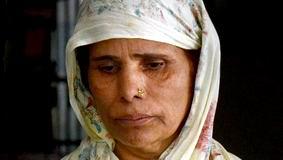
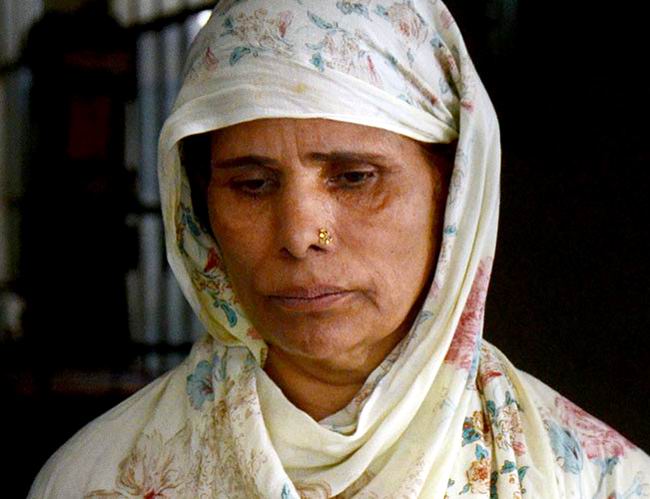
| Forensic Heading / Aliases | Parveen Bibi (Parveen Rafiq) |
| Legal Identity | Parveen Bibi |
| Confirmed Victims | 1 (Zeenat Rafiq, her 18-year-old daughter) |
| Active Timeline | June 8, 2016 |
| Jurisdiction / Area of Operations | Lahore, Punjab Province, Pakistan |
| Criminological Classification | Honor killing / Parricide |
| Forensic Modus Operandi | Restraint of the victim to a cot, dousing with kerosene, and intentional ignition |
| Weapon / Mechanism of Death | Kerosene, matches / Direct fire (burning alive) |
| Motive / Behavioral Dynamics | Retaliation for perceived family dishonor and transgression of conservative norms (unauthorized marriage to a man of a different ethnic group, the Pashtuns) |
| Judicial Outcome | Sentenced to death on January 15, 2017, by a special court in Lahore |
1. Background and Psychopathy
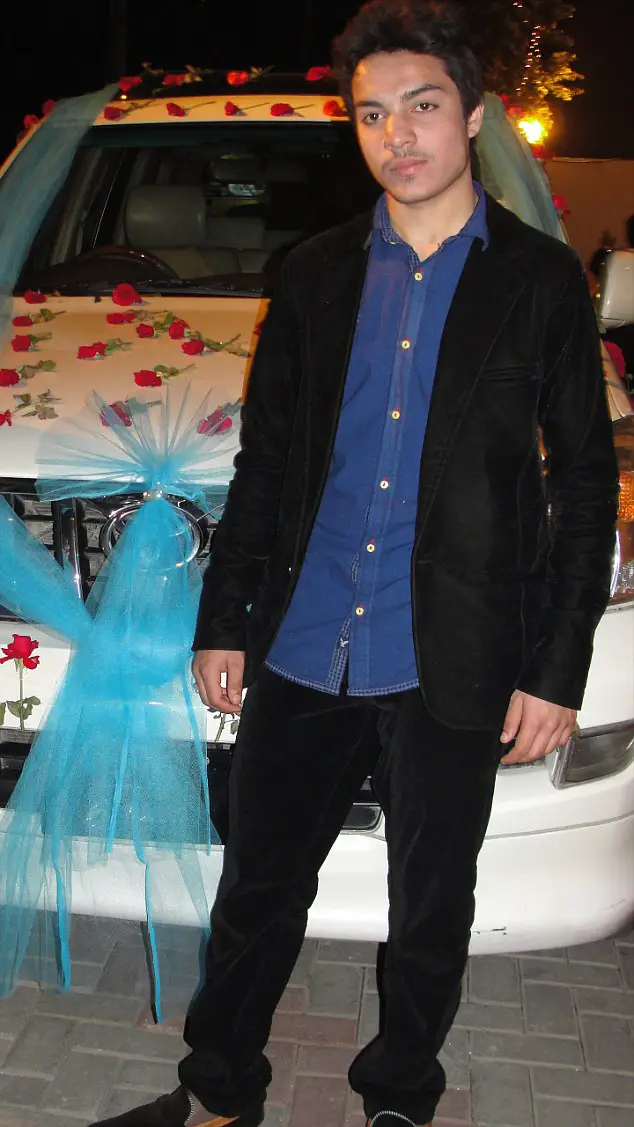
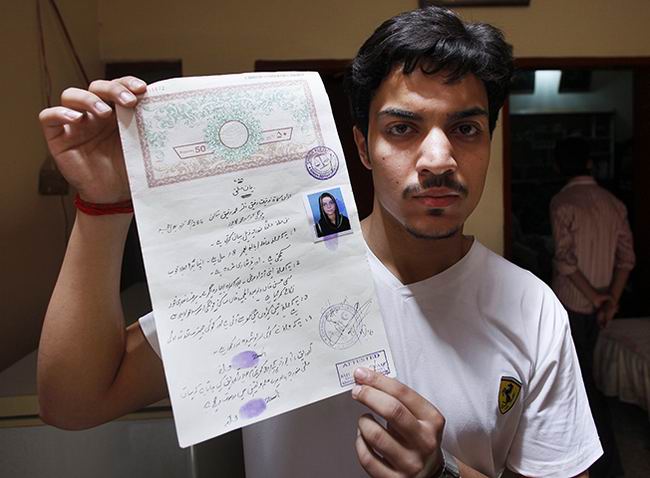
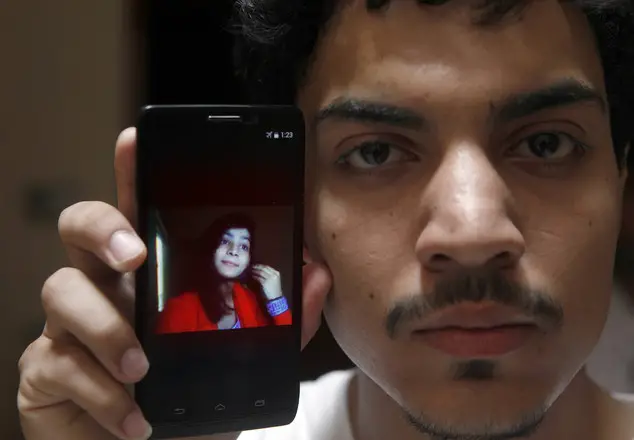
Parveen Bibi was a widowed resident of a low-income neighborhood in Lahore, Pakistan. Operating within a strictly patriarchal and conservative social framework, Bibi maintained rigid enforcement over family honor and traditional behavioral codes. Her 18-year-old daughter, Zeenat Rafiq, had engaged in a relationship with Hassan Khan, a motorcycle mechanic belonging to the Pashtun ethnic group, whereas the family identified as Punjabi. This ethnic divergence and the mother's absolute refusal to consent to the union led to chronic domestic abuse and escalating tensions within the household.
2. Crime Spree
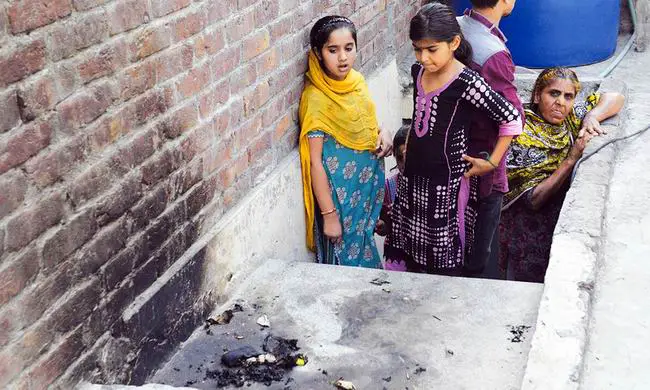
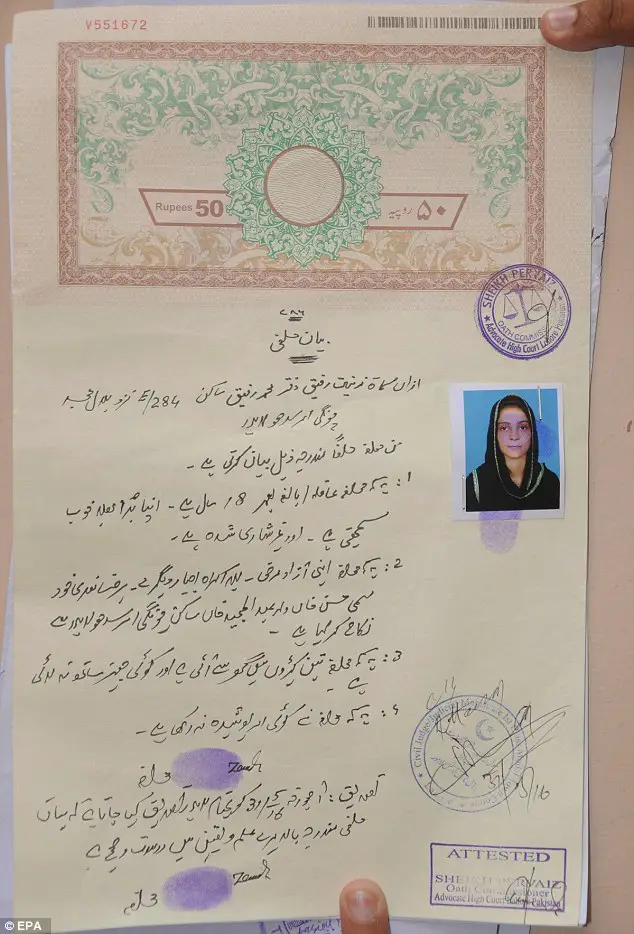
On June 8, 2016, following Zeenat's elopement and civil marriage to Hassan Khan, Parveen Bibi—aided by her son Anees Rafique—lured the teenager back to the family home under the deceptive promise of holding a proper wedding celebration to restore social harmony. Once inside, Bibi and her son bound the 18-year-old to a bed frame, doused her in kerosene, and set her on fire. Forensic examinations later confirmed the presence of smoke and soot within the victim's lungs, establishing that she was alive and breathing when the fire was ignited.
3. Police Investigation and Forensic Hunt
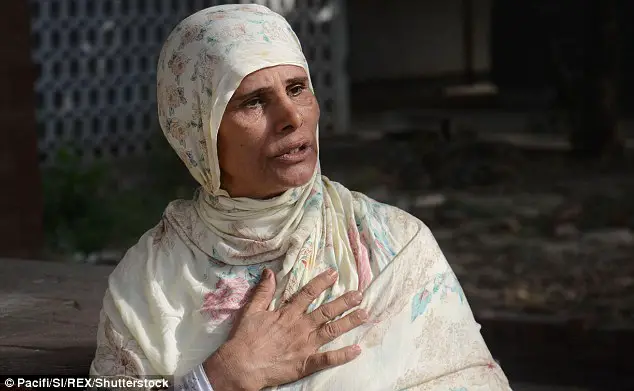
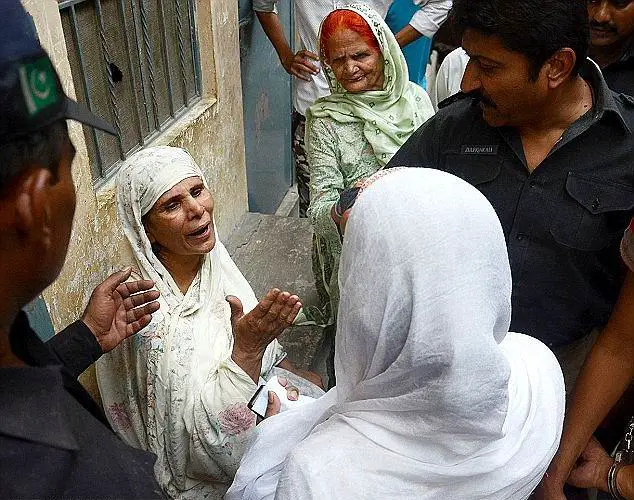
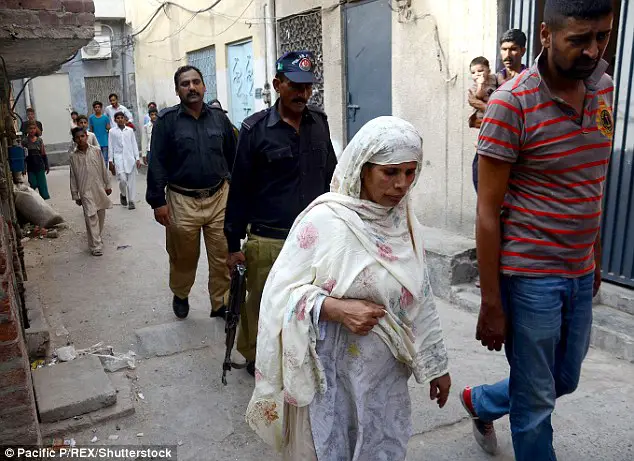
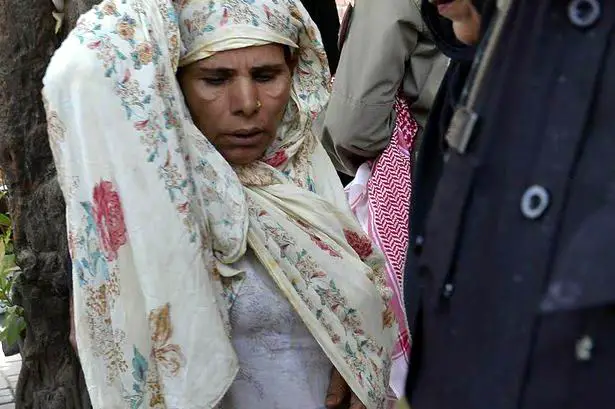
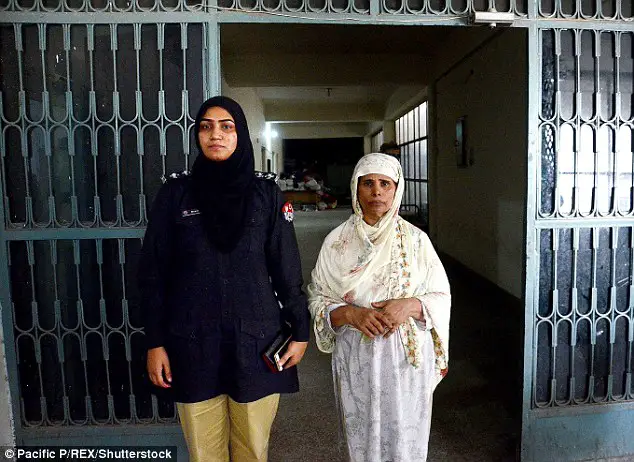
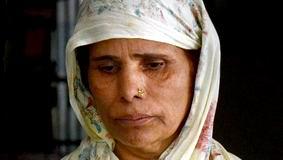
Following the execution of the crime, Parveen Bibi walked out into the street openly boasting about the murder. Removing her shawl and beating her chest, she proclaimed to neighbors that she had executed her daughter for bringing shame upon the family. Law enforcement intervention was swift, prompted by neighbor alerts and the husband's testimony. Authorities apprehended Bibi and her son at the scene, securing the container of kerosene as primary physical evidence.
4. Arrest and Judicial Proceedings
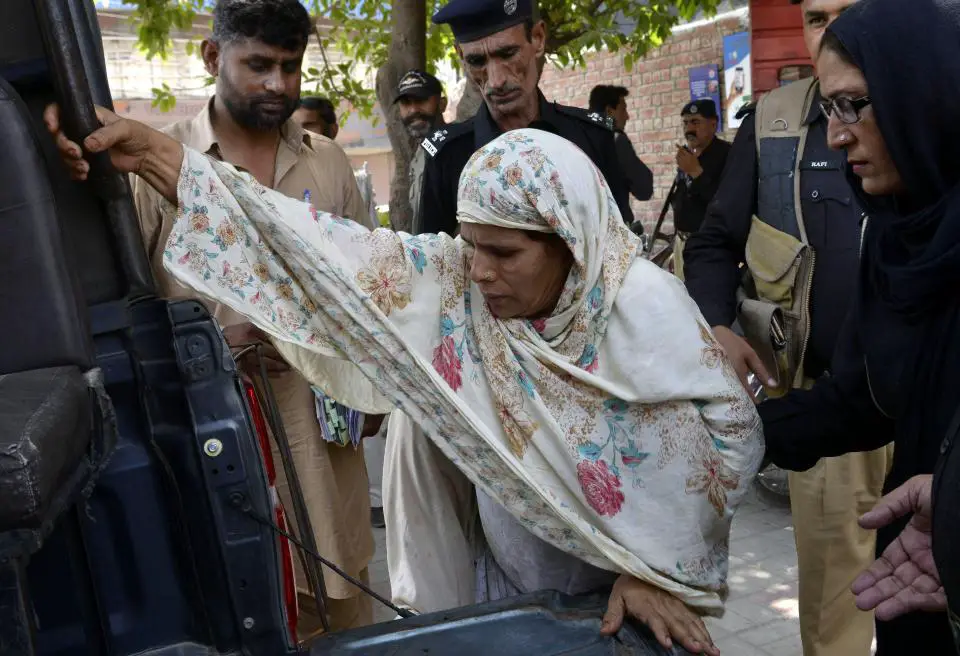
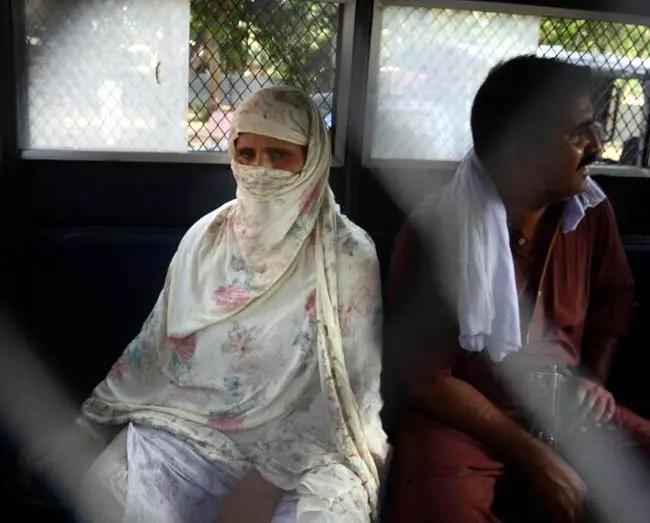
Parveen Bibi was arrested on June 8, 2016, and subsequently confessed to the murder alongside her son. The trial unfolded amid intense public scrutiny regarding honor killings in Pakistan. On January 15, 2017, Judge Chaudhry Ilyas of the Lahore trial court convicted Parveen Bibi of premeditated murder, sentencing her to death. Her son and accomplice, Anees Rafique, received a life sentence for aiding and abetting the homicide.
5. Psychiatric Assessment and Aftermath
From a criminological standpoint, Parveen Bibi's actions demonstrate the profound integration of lethal honor-based constructs within strict patriarchal subcultures, where female autonomy is viewed as an existential threat to clan status. Lacking any manifestation of remorse, Bibi sought public validation for the parricide. The case stands as a landmark prosecution in ongoing legal efforts within Pakistan to eliminate judicial loopholes and mandate stringent punishments for honor-related violence.