Forensic & Criminological Matrix
| Parameter | Forensic Detail |
|---|---|
| Forensic Heading / Aliases | The last person publicly executed in the US |
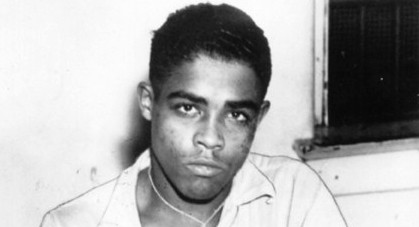
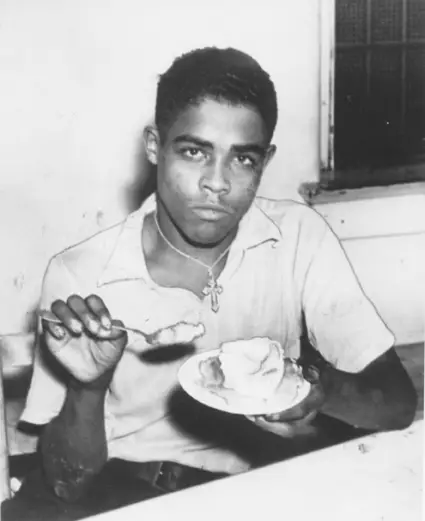
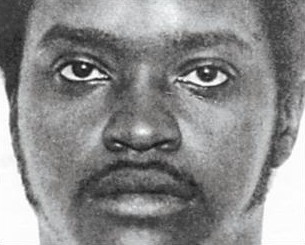
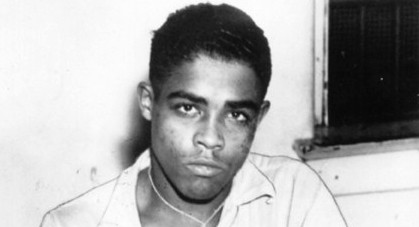
| Legal Identity | Rainey Bethea |
| Confirmed Victims | 1 |
| Attributed / Indicted Victims | 1 |
| Active Timeline | 1936 |
| Jurisdiction / Area of Operations | Owensboro, Kentucky, USA |
| Criminological Classification | Sexual offender and murderer |
| Forensic Modus Operandi | Home invasion, rape, and strangulation |
| Weapon / Mechanism of Death | Manual strangulation |
| Motive / Behavioral Dynamics | Sexual and financial gain |
| Judicial Outcome | Death penalty via public hanging |
1. Background and Profile
Rainey Bethea had a prior criminal record involving larceny and burglary. His behavioral profile was consistent with an impulsive, opportunistic offender.
2. Crime Spree
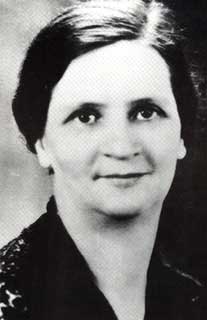
On June 7, 1936, Bethea entered the home of 70-year-old Lishia Edwards. He raped and strangled the victim before stealing jewelry. His failure to retrieve a prison ring left at the scene provided critical forensic evidence.
3. Investigation and Arrest
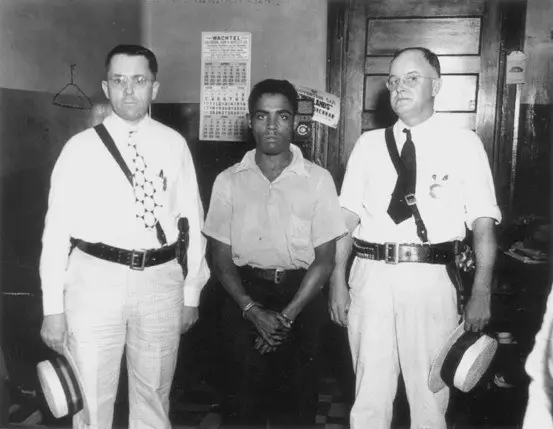
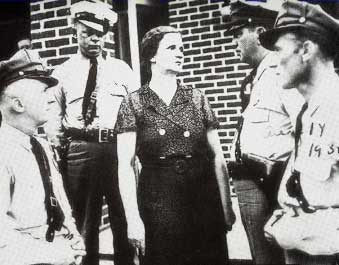
Law enforcement utilized early fingerprint identification and witness testimony to link Bethea to the crime scene. He was apprehended after a brief search along the Ohio River.
4. Legal Proceedings and Outcome
Bethea confessed while in custody. Prosecutors charged him solely with rape to ensure a public hanging sentence, bypassing the state's electrocution protocol for murder. He pleaded guilty and was sentenced to death.
5. Forensic Conclusion
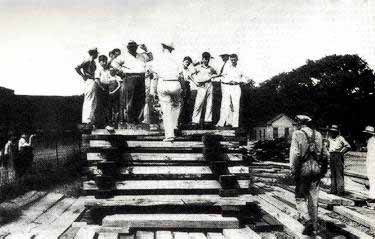
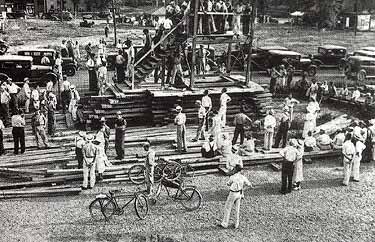
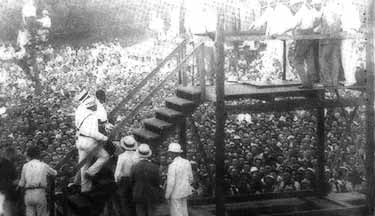
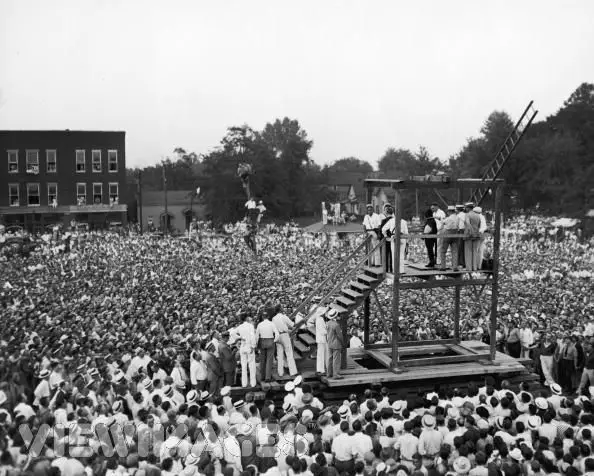
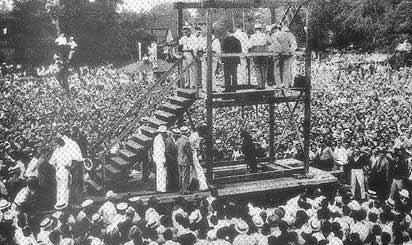
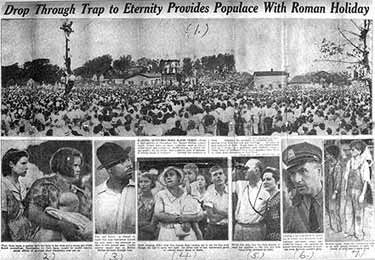
Bethea's execution on August 14, 1936, in Owensboro, witnessed by 20,000 people, remains a significant historical event as the final public execution in the United States, leading to the eventual abolition of public capital punishment in the country.