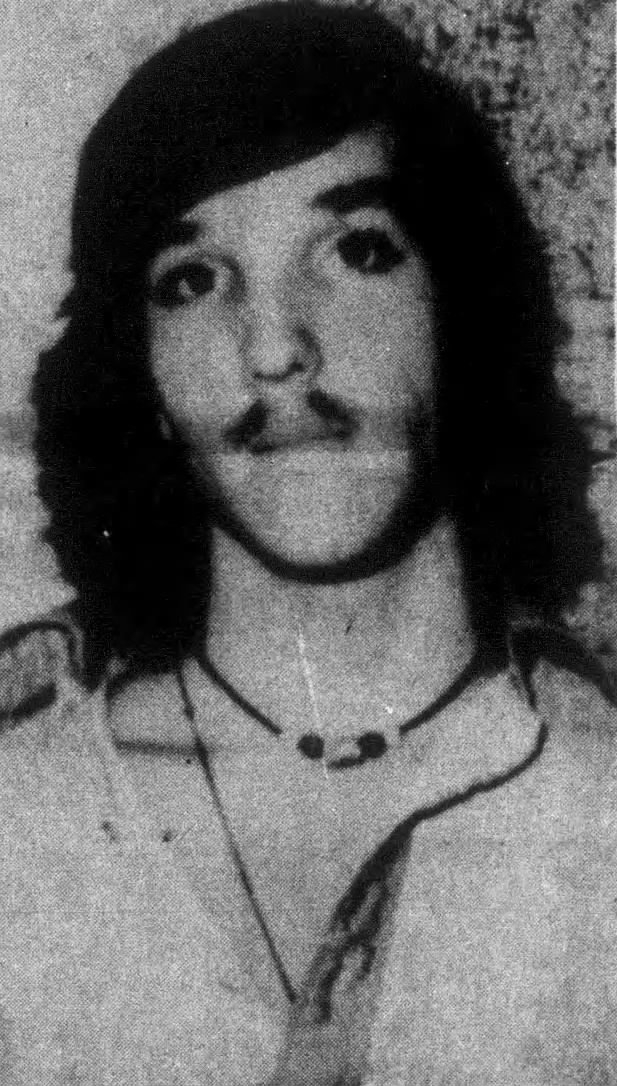
Forensic & Criminological Matrix
| Parameter | Forensic Detail |
|---|---|
| Forensic Heading / Aliases | Jack Alfred Bennett |
| Legal Identity | Jack Alfred Bennett |
| Confirmed Victims | 1 |
| Attributed / Indicted Victims | 1 |
| Active Timeline | 1989 |
| Jurisdiction / Area of Operations | Georgia, USA |
| Criminological Classification | Uxoricide |
| Forensic Modus Operandi | Violent stabbing and blunt force trauma |
| Weapon / Mechanism of Death | Knife and hammer |
| Motive / Behavioral Dynamics | Jealousy, emotional instability |
| Judicial Outcome | Death sentence (subject to appeals) |
1. Background and Profile
Jack Alfred Bennett was a 62-year-old man with no prior criminal record. He was gainfully employed for twenty years and considered a peaceful individual until the 1989 murder of his wife of four days.
2. Crime Spree
Bennett murdered his wife while she slept, stabbing her over 100 times and crushing her skull with a hammer. He surrendered to police, claiming self-defense and alleging a conspiracy against him.
3. Investigation and Arrest
The defense strategy relied heavily on an insanity plea. However, the expert witness, Dr. Boaz Harris, was suffering from AIDS-related dementia, leading to a disastrous courtroom performance that effectively gutted the defense's credibility.
4. Legal Proceedings and Outcome
Bennett was convicted and sentenced to death. The case, Turpin v. Bennett, became a landmark for the legal principle that a defendant does not have a distinct constitutional right to the effective assistance of an expert witness, separate from the right to effective counsel.