



Forensic & Criminological Matrix
| Parameter | Forensic Detail |
|---|---|
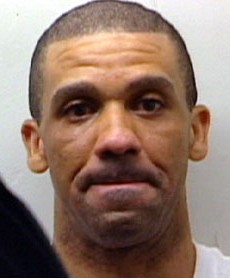
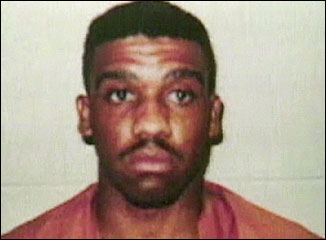
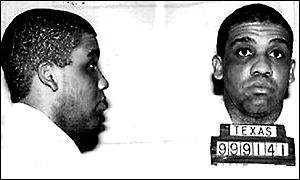
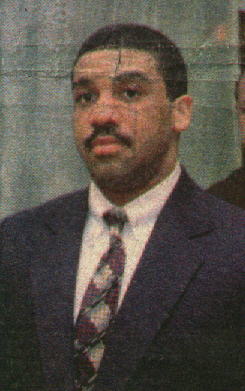
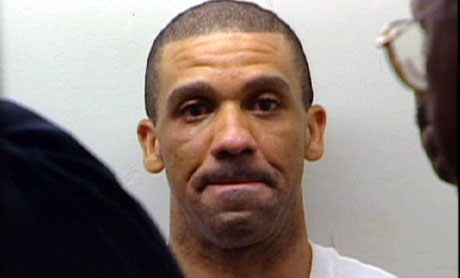
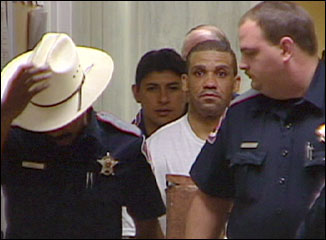
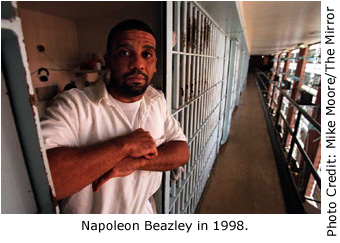
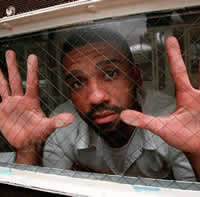
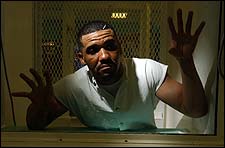
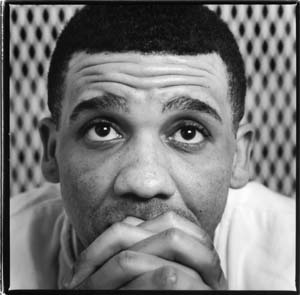
| Forensic Heading / Aliases | Napoleon Beazley |
| Legal Identity | Napoleon Beazley Jr. |
| Confirmed Victims | 1 (John Luttig) |
| Active Timeline | April 19, 1994 |
| Jurisdiction / Area of Operations | Tyler and Grapeland, Texas, United States |
| Criminological Classification | Juvenile offender / Carjacking homicide perpetrator |
| Forensic Modus Operandi | Targeting luxury vehicles, tracking owners to residential areas, armed ambush, and summary execution of the victim to steal the automobile |
| Weapon / Mechanism of Death | .45-caliber semi-automatic pistol and sawed-off shotgun |
| Motive / Behavioral Dynamics | Financial gain and psychopathic thrill-seeking (desire to steal a luxury vehicle and experience killing someone) |
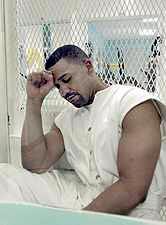
| Judicial Outcome | Sentenced to death by lethal injection. Executed on May 28, 2002, at Huntsville Unit, Texas |
1. Background and Profile
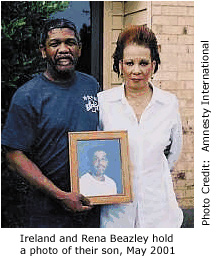
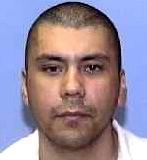
Napoleon Beazley was born on August 31, 1976. Raised in Grapeland, Texas, he was viewed by his community as an intelligent young man with academic potential and a promising future prior to his involvement in serious crime. However, evidence introduced during his trial revealed that Beazley had been engaged in drug distribution since the age of 13 and harbored a developing fascination with armed delinquency and luxury car theft.
2. Crime Spree and Modus Operandi
On April 19, 1994, Beazley, accompanied by acquaintances Cedric and Donald Coleman, traveled from Grapeland to Tyler, Texas, with the premeditated intent of stealing a high-end automobile. After scouting various locations and discarding previous targets, they spotted a 1987 Mercedes-Benz driven by 63-year-old businessman John Luttig, who was returning home with his wife, Bobbie Luttig.
Beazley followed the couple to their private residence. Upon stopping in the driveway, Beazley exited the vehicle shirtless, armed with a .45-caliber pistol, while Donald Coleman carried a sawed-off shotgun. Beazley fired point-blank at John Luttig, striking him in the head. He then fired at Bobbie Luttig, missing her, which caused her to drop to the ground and feign death. Beazley returned to John Luttig and fired a second, fatal shot directly into his head at close range before stealing the keys to the Mercedes and fleeing the scene.
3. Investigation and Forensic Pursuit
Law enforcement quickly identified suspects through the testimonies of Cedric and Donald Coleman, who were arrested and directly implicated Beazley as the mastermind and primary shooter. During police questioning, Beazley's own father confronted him about the accusations, to which Beazley spontaneously confessed. Furthermore, the survival and eyewitness testimony of Bobbie Luttig provided crucial forensic and testimonial evidence regarding the sequence of the attack and the absolute brutality of the execution.
4. Legal Proceedings and Outcome
On July 7, 1994, Beazley was indicted for capital murder in Smith County, Texas. On March 13, 1995, a jury found him guilty of capital murder and subsequently assessed the death penalty. Because Beazley was 17 years old at the time of the offense—less than four months shy of his 18th birthday—his defense team launched extensive appeals centered on his juvenile status.
The case sparked nationwide and international debate concerning the constitutionality of executing juvenile offenders. Over the ensuing years, defense attorneys filed numerous appeals in federal courts and the U.S. Supreme Court, arguing violations of constitutional protections against cruel and unusual punishment. The case also garnered significant attention because the victim's son, J. Michael Luttig, was a prominent federal appeals judge. After exhausting all legal avenues and having clemency denied by the Texas Board of Pardons and Paroles, Napoleon Beazley was executed by lethal injection at the Huntsville Unit on May 28, 2002, becoming one of the last juvenile offenders executed in the United States prior to the definitive abolition of the practice in 2005 (Roper v. Simmons).