




Forensic & Criminological Matrix
| Parameter | Forensic Detail |
|---|---|
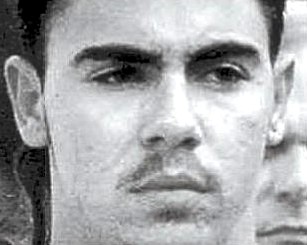
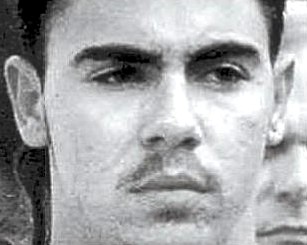
| Forensic Heading / Aliases | Thomas Beavers Jr. |
| Legal Identity | Thomas H. Beavers Jr. |
| Confirmed Victims | 1 (Marguerite Lowery) |
| Active Timeline | May 1, 1990 |
| Jurisdiction / Area of Operations | Virginia, United States |
| Criminological Classification | Felony murderer / Circumstantial offender |
| Forensic Modus Operandi | Nocturnal residential burglary, mechanical asphyxiation using a pillow to silence the victim, evidence concealment, and sexual assault |
| Weapon / Mechanism of Death | Physical force, pillow-induced suffocation triggering fatal cardiac arrhythmia |
| Motive / Behavioral Dynamics | Financial gain (robbery) and elimination of an eyewitness to prevent identification |
| Judicial Outcome | Sentenced to death for capital murder; executed by lethal injection in 1997 |
1. Background and Psychopathy
Thomas H. Beavers Jr. grew up in a severely dysfunctional household dominated by maternal mental illness. His mother suffered from acute schizophrenia, resulting in chronic parental neglect and childhood abuse. Despite these profound psychosocial deficits and his young age at the time of the offense (19 years old), Beavers lacked any significant adult criminal record prior to the capital crime.
2. Crime Spree and Modus Operandi
On May 1, 1990, Beavers committed a residential burglary at the home of his neighbor, Marguerite Lowery, in Virginia. The victim was sleeping when Beavers broke in, and upon being startled, she began to scream. In an effort to silence her and prevent identification, Beavers pressed a pillow over her face. According to forensic findings and the defendant's statements, the victim gasped for air several times before becoming unresponsive. Medical examiners testified that while mechanical asphyxiation initiated the crisis, the victim suffered from a preexisting heart condition that contributed to a fatal cardiac arrhythmia induced by the extreme stress of the assault.
3. Investigation and Law Enforcement Pursuit
Investigators quickly focused on the victim's immediate neighborhood. During police questioning, incriminating statements made by Beavers—wherein he allegedly admitted he had no choice but to quiet her because she could identify him—became central to the prosecution's case. The defense challenged the admissibility of certain police testimonies and contested trial procedures, including the judge's refusal to grant a mistrial after disputed statements were presented to the jury.
4. Legal Proceedings and Trial
Thomas Beavers was arrested, tried, and convicted of capital murder, robbery, and rape. During the proceedings, a court-appointed psychiatrist found insufficient evidence of severe mental impairment at the time of the crime. Defense counsel argued that the death penalty constituted cruel and unusual punishment given his lack of a prior criminal record and absence of premeditated intent to kill. Nevertheless, the jury returned a guilty verdict and recommended capital punishment.
5. Psychiatric Evaluation and Outcome
Subsequent appeals filed by Beavers' appellate attorneys before the U.S. Court of Appeals for the Fourth Circuit focused on claims of ineffective assistance of counsel—arguing that competent representation would have uncovered mitigating psychological evidence stemming from his abusive upbringing—and judicial error regarding the denial of a mistrial. The federal courts ultimately upheld the conviction and death sentence, reasoning that while mental impairment can diminish culpability, it may also indicate future dangerousness. Thomas Beavers Jr. was executed by lethal injection in Virginia on December 11, 1997.