

Forensic & Criminological Matrix
| Parameter | Forensic Detail |
|---|---|
| Forensic Heading / Aliases | Thomas Henry Battle |
| Legal Identity | Thomas Henry Battle |
| Confirmed Victims | 1 (Birdie Johnson, 80) |
| Active Timeline | July 5, 1980 |
| Jurisdiction / Area of Operations | St. Louis, Missouri, United States |
| Criminological Classification | Opportunistic perpetrator / Co-offender in economic-sexual homicide |
| Forensic Modus Operandi | Nighttime window intrusion, elderly victim subjugation, rape, ransacking, severe blunt force trauma, and targeted stabbing |
| Weapon / Mechanism of Death | 12-inch butcher knife, severe blunt force trauma to the head, cranial hemorrhaging |
| Motive / Behavioral Dynamics | Burglary escalated to homicide to eliminate a known eyewitness |
| Judicial Outcome | Sentenced to death (1983); executed by lethal injection on August 7, 1996 |
1. Background and Profile
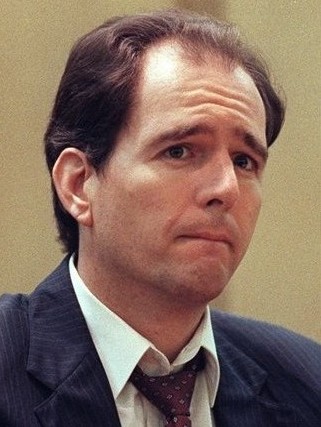
Thomas Henry Battle was born in 1962 and lived in his parents' basement in St. Louis, Missouri, immediately adjacent to the residence of Birdie Johnson, an 80-year-old woman who regarded him warmly. Despite an interrupted education after the eighth grade, Battle was articulate and well-spoken. At the age of 18, his trajectory crossed into lethal violence when he planned a criminal burglary targeting his elderly neighbor alongside an associate.
2. Crime Spree and Modus Operandi
In the early morning hours of July 5, 1980, after drinking and getting high, Battle and Tracy Rowan targeted Birdie Johnson's apartment. Gaining entry by ripping a kitchen window screen, Battle armed himself with a 12-inch butcher knife. Johnson was brutally beaten and raped. When a light revealed their faces to the victim, Battle declared that she must die to eliminate witnesses. After struggling with a bending blade, Battle plunged the knife directly into Johnson's left eye socket. Leaving her conscious and praying on the floor, the perpetrators fled. Johnson died shortly after from massive cranial trauma, rib fractures, lung lacerations, and brain injury.
3. Investigation and Forensic Pursuit
The investigation rapidly centered on Battle after police received local tips. During a stationhouse interview, officers observed Battle's excessive agitation and noticed that his shoe soles matched a precise print lifted from the crime scene entry point. Advised of his Miranda rights, Battle consented to physical sampling; shoe and palm prints matched crime scene evidence definitively. Within hours, Battle offered successive incriminating statements detailing the joint commission of the crime, though he later attempted to shift blame.
4. Legal Proceedings and Outcome
Indicted for capital murder and rape, Battle faced a Missouri jury supported by forensic serology matching his B-secretor profile, palm prints, and footwear impressions. Convicted in 1983, he was sentenced to death. Over the next 15 years, Battle pursued extensive federal habeas corpus relief and appeals regarding ineffective counsel and coerced confessions, culminating in landmark procedural rulings within the Eighth Circuit.
5. Psychiatric Assessment and Execution
Battle's post-conviction litigation addressed complex gateway actual-innocence standards under federal jurisprudence. Ultimately, federal courts ruled that the overwhelming forensic evidence precluded relief. Following inconclusive DNA re-testing, Thomas Henry Battle was executed by lethal injection at the Missouri state facility on August 7, 1996, proclaiming his innocence in his final statements.