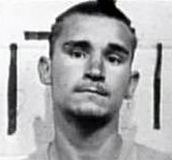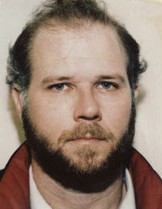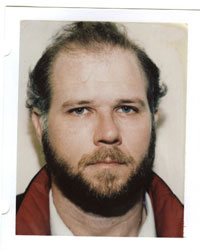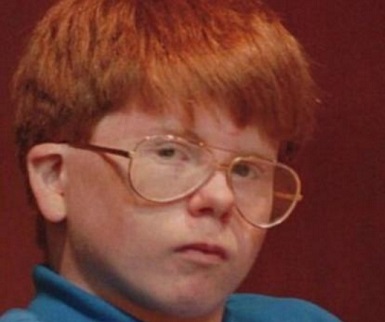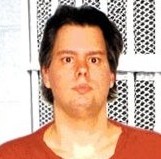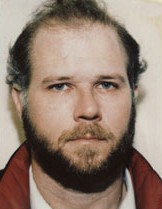
Forensic & Criminological Matrix
| Parameter | Forensic Detail |
|---|---|
| Forensic Heading / Aliases | The Charlottesville Killer |
| Legal Identity | Glenn Haslam Barker |
| Confirmed Victims | 1 |
| Attributed / Indicted Victims | 3 |
| Active Timeline | 1982 - 1996 |
| Jurisdiction / Area of Operations | Virginia, New Jersey |
| Criminological Classification | Suspected Serial Killer / Sexual Predator |
| Forensic Modus Operandi | Abduction and homicide of minors |
| Weapon / Mechanism of Death | Asphyxiation / Strangulation (presumed) |
| Motive / Behavioral Dynamics | Sexual predation |
| Judicial Outcome | 18-year sentence (served 9) for the murder of Katie Worsky |
1. Background and Profile
Glenn Haslam Barker is an American offender characterized by predatory violence against minors. His criminal history reflects a pattern of high-risk behavior and a lack of remorse, as evidenced by his dismissive statements during legal proceedings.
2. Crime Spree
His primary confirmed crime was the 1982 murder of 12-year-old Katie Worsky. Barker was the last person to see her alive, and forensic evidence (the victim's undergarments) was recovered from his residence. He remains a primary suspect in the 1996 double homicide of Cynthia Powers Johnson and her 7-year-old daughter, though no charges were filed due to the destruction of evidence in a fire.
3. Investigation and Arrest
The Worsky case was a landmark in Virginia legal history, as it resulted in a murder conviction despite the absence of a body. Following his 1992 parole, Barker relocated to New Jersey, where his employment as a youth basketball coach triggered public safety notifications and community outrage.
4. Legal Proceedings and Outcome
Barker was convicted in 1983 and sentenced to 18 years, serving 9. In 1990, he faced kidnapping charges in North Carolina, which were reduced to lesser offenses after the victim declined to testify. He remains a subject of interest for law enforcement in multiple jurisdictions.
5. Forensic Assessment
Barker's history of predatory behavior and his inability to maintain social boundaries suggest a high risk of recidivism. He is currently monitored by local authorities in his jurisdiction.