




Forensic & Criminological Matrix
| Parameter | Forensic Detail |
|---|---|
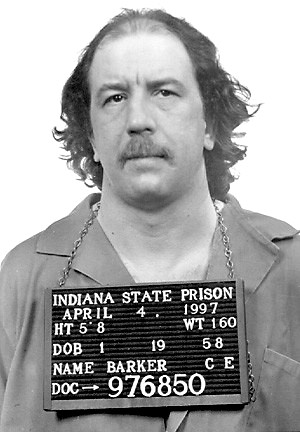
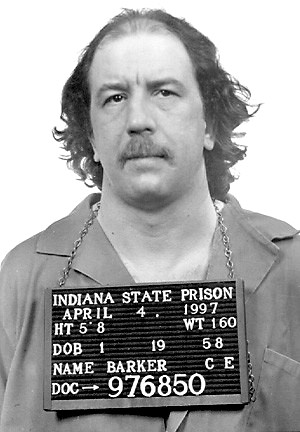
| Forensic Heading / Aliases | Charles E. Barker |
| Legal Identity | Charles E. Barker |
| Confirmed Victims | 2 (Francis Benefiel, 66; Helen Benefiel, 65) |
| Attributed / Indicted Victims | 2 |
| Active Timeline | August 3, 1993 |
| Jurisdiction / Area of Operations | Marion County, Indiana, United States |
| Criminological Classification | Domestic Homicide / Intimate Partner Violence Perpetrator |
| Forensic Modus Operandi | Extended nighttime surveillance, violent forced entry, close-quarters confrontation, and execution-style shootings |
| Weapon / Mechanism of Death | Unlicensed handgun (firearm trauma) |
| Motive / Behavioral Dynamics | Obsessive jealousy, child custody dispute, severe cognitive deficits, and neurological impairment |
| Judicial Outcome | Sentenced in December 2005 to Life Without Parole on two counts of murder, plus consecutive terms for kidnapping, burglary, and weapons violations |
1. Background and Profile
Charles E. Barker was born on January 19, 1958. Subsequent clinical and forensic evaluations established significant cognitive and neurological impairments, including diagnosed brain damage, low IQ, a third-grade reading level, and a progressive neurological disease. These deficits, coupled with a history of controlling and aggressive behavior toward his former partner Candice Benefiel, created a high-risk profile for severe domestic violence.
2. Crime Spree
On August 3, 1993, after conducting hours of surveillance on a residence in Marion County, Indiana, where his ex-girlfriend Candice was staying with her grandparents, Francis and Helen Benefiel, Barker forced his way into the home. When 66-year-old Francis intervened to protect his family, Barker pushed him aside and shot him through the heart, causing immediate death. Barker then broke down a bathroom door where Helen Benefiel (65) and Barker's one-year-old child were sheltering. He shot Helen in the head and abducted both the child and Candice, forcing the latter to flee with him to Tennessee, where he was eventually apprehended.
3. Investigation and Arrest
Law enforcement swiftly launched a multi-jurisdictional manhunt following the emergency calls. Coordinated efforts between Indiana and Tennessee authorities led to Barker's capture in Tennessee, where the abducted infant was recovered safely and the firearm used in the offenses was secured.
4. Legal Proceedings and Outcome
Barker's legal journey spanned over a decade, marked by landmark appeals concerning the constitutionality of Indiana's death penalty statutes under Apprendi and Ring v. Arizona. Although initially sentenced to death in 1996, his death sentence was repeatedly vacated on appeal due to procedural errors regarding jury instructions and sentencing weighing standards. On December 21, 2005, Barker entered a guilty plea to all charges in the Marion Superior Court and received two concurrent sentences of Life Without Parole for murder, alongside consecutive prison terms for kidnapping, confinement, burglary, and carrying a handgun without a license.
5. Psychiatric Assessment and Disposition
Experts confirmed that while Barker suffered from demonstrable brain damage and cognitive limitations, he remained legally accountable for his actions. Following the resolution of constitutional challenges to capital punishment in his case, Barker was permanently remanded to the Indiana Department of Correction to serve a life sentence without the possibility of parole.