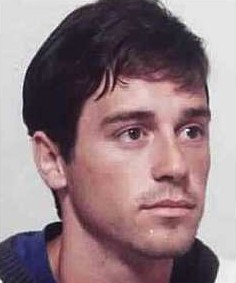
Forensic & Criminological Matrix
| Parameter | Forensic Detail |
|---|---|
| Forensic Heading / Aliases | Robert Baltovich |
| Legal Identity | Robert Baltovich |
| Confirmed Victims | 0 |
| Attributed / Indicted Victims | 1 (Elizabeth Bain) |
| Active Timeline | 1990 |
| Jurisdiction / Area of Operations | Scarborough, Ontario, Canada |
| Criminological Classification | Wrongful Conviction Case |
| Forensic Modus Operandi | N/A (Innocent) |
| Weapon / Mechanism of Death | Unknown |
| Motive / Behavioral Dynamics | N/A |
| Judicial Outcome | Acquitted in 2008 after conviction was quashed |
1. Background and Profile
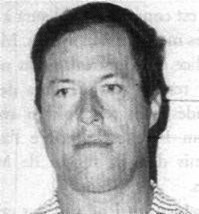
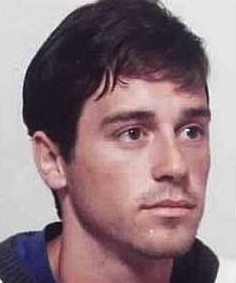
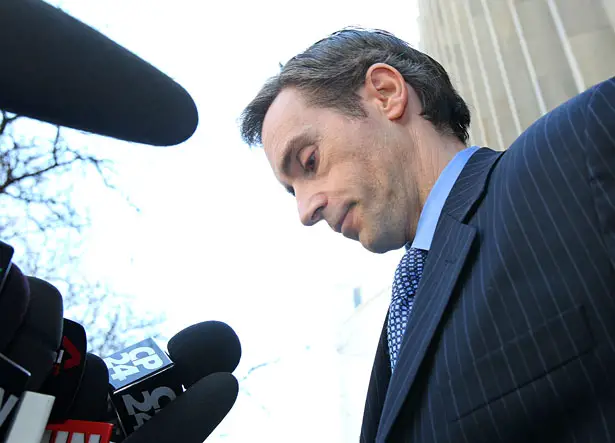
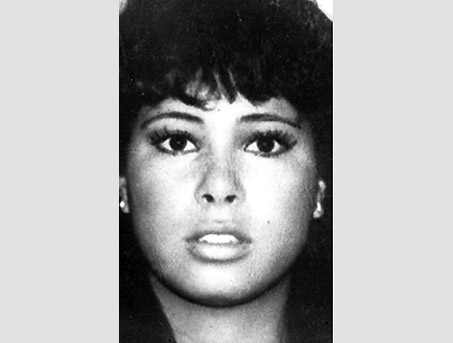
Robert Baltovich was a University of Toronto student when his girlfriend, Elizabeth Bain, vanished in 1990. He had no prior criminal record and no behavioral indicators of violent tendencies.
2. Crime Spree
The case revolves around the disappearance of Elizabeth Bain. Despite the absence of a body, the prosecution relied on circumstantial evidence to secure a conviction, alleging Baltovich killed Bain due to relationship issues.
3. Investigation and Arrest
The investigation was later criticized for tunnel vision. Defense counsel argued that serial killer Paul Bernardo, who was active in the area, was a more viable suspect, a theory that was largely dismissed by investigators at the time.
4. Legal Proceedings and Outcome
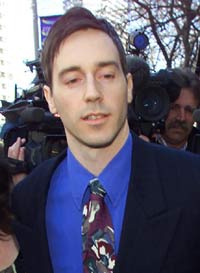
Baltovich was convicted of second-degree murder in 1992. After serving eight years, his conviction was set aside in 2004 due to significant legal errors. In 2008, the Crown declined to call evidence at his retrial, leading to an acquittal.
5. Forensic Conclusion
There are no psychiatric pathologies associated with the subject. The case remains a critical study in Canadian law regarding the dangers of circumstantial evidence and investigative bias.