



Forensic & Criminological Matrix
| Parameter | Forensic Detail |
|---|---|
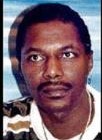
| Forensic Heading / Aliases | Wesley Eugene Baker |
| Legal Identity | Wesley Eugene Baker |
| Confirmed Victims | 1 (Jane Frances Tyson) |
| Attributed / Indicted Victims | 1 |
| Active Timeline | June 6, 1991 |
| Jurisdiction / Area of Operations | Catonsville, Maryland, United States |
| Criminological Classification | Homicidal Offender / Recriminalized Felon |
| Forensic Modus Operandi | Public armed robbery and execution-style shooting to obtain personal valuables |
| Weapon / Mechanism of Death | Firearm / Fatal gunshot wound to the head |
| Motive / Behavioral Dynamics | Financial gain (robbery) compounded by severe substance abuse and childhood trauma |
| Judicial Outcome | Sentenced to death; executed by lethal injection on December 5, 2005 |
1. Background and Profile
Wesley Eugene Baker was born in 1958 into a troubled background marked by extreme adversity. His mother was approximately 12 or 13 years old when she became pregnant with him as a result of rape. Throughout his childhood, Baker endured severe physical and sexual abuse, and suffered a drug overdose at age 12. His subsequent adult life was characterized by escalating substance abuse, petty crime, and an inability to integrate into society, eventually culminating in lethal violence.
2. Crime Spree and Modus Operandi
On June 6, 1991, in the parking lot of the Westview Mall in Catonsville, Maryland, Baker accosted Jane Frances Tyson, a 49-year-old teacher's aide and grandmother, who was accompanied by two of her young grandchildren. Intent on stealing her purse, Baker shot her in the head at close range in full view of the children, causing immediate death. The modus operandi relied on predatory opportunism and lethal firearm usage in a crowded public area with total disregard for witnesses.
3. Investigation and Forensic Manhunt
Law enforcement investigations conducted by the Baltimore County Police Department rapidly identified Baker as the perpetrator through eyewitness testimonies and physical evidence recovered at the scene. The presence of direct witnesses—including the victim's grandchildren—ensured a robust evidentiary foundation that led to Baker's prompt identification and arrest.
4. Legal Proceedings and Trial
Following his arrest, Baker was prosecuted, convicted of first-degree murder and robbery, and sentenced to death in 1992. During the trial phase, defense attorneys sought to introduce mitigating factors regarding his traumatic upbringing and abuse history; however, Baker refused to permit the disclosure of these details in court out of a desire to protect his mother from public humiliation.
5. Psychiatric Evaluation and Outcome
Appeals spanned over a decade, drawing national attention to debates surrounding capital punishment, racial disparities in sentencing, and clemency appeals championed by figures such as Roman Catholic Cardinal William Keeler. Ultimately, after lower courts, the Maryland Court of Appeals, and Governor Robert L. Ehrlich Jr. denied clemency, and the U.S. Supreme Court declined review, Baker's execution was scheduled. Wesley Eugene Baker was executed by lethal injection on December 5, 2005, at the Maryland Diagnostic and Classification Center in Baltimore, marking the final execution carried out in Maryland prior to the state's abolition of the death penalty in 2013.