





Forensic & Criminological Matrix
| Parameter | Forensic Detail |
|---|---|
| Forensic Heading / Aliases | Debra Lynn Baker |
| Legal Identity | Debra Lynn Baker |
| Confirmed Victims | 1 (Jerry Sternadel) |
| Active Timeline | 1990 |
| Jurisdiction / Area of Operations | Clay County, Texas, United States |
| Criminological Classification | Poisoner / Financial Homicidal Offender |
| Forensic Modus Operandi | Surreptitious, prolonged administration of arsenic concealed in food and beverages |
| Weapon / Mechanism of Death | Arsenic poisoning |
| Motive / Behavioral Dynamics | Financial greed, embezzlement concealment, and conspiracy |
| Judicial Outcome | Convicted in 1994 to 10 years probation (revoked in 2003 due to subsequent criminal violations, resulting in a 10-year prison sentence) |
1. Background and Psychopathy
Debra Lynn Baker worked as the bookkeeper and business manager for Jerry Sternadel, a wealthy Texas entrepreneur and rancher. Baker maintained a close relationship with both Sternadel and his wife, Lou Ann. Over time, Baker gained profound administrative control over the victim's finances, setting the stage for substantial financial misappropriation that would ultimately motivate premeditated murder.
2. Crime Spree
In early 1990, Jerry Sternadel discovered that over $100,000 had vanished from his accounts and confronted Baker, demanding restitution under threat of embezzlement charges. Concurrently, Sternadel intended to divorce his wife, Lou Ann, threatening her affluent lifestyle. Prosecutors established that Baker, conspiring with Lou Ann, initiated a slow-poisoning campaign utilizing lethal doses of arsenic administered covertly during meals to eliminate the threat of criminal prosecution and marital dissolution.
3. Crime Spree and Forensic Investigation
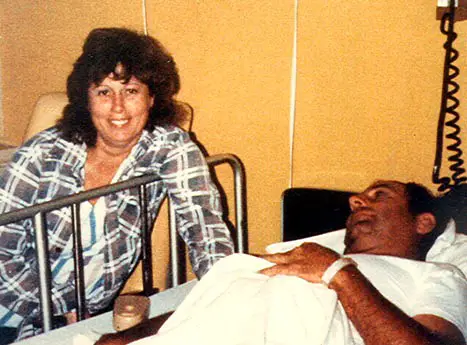
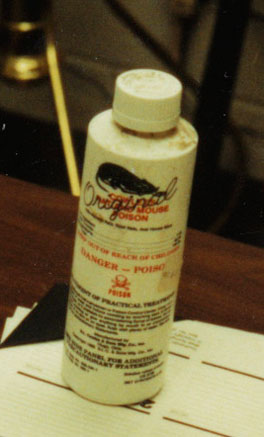
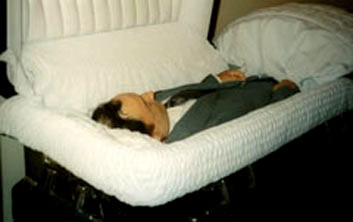
During his hospital admissions, Sternadel explicitly informed medical staff and acquaintances that his bookkeeper and wife were administering poison to silence him regarding financial theft. Following his death, post-mortem toxicological analysis confirmed lethal concentrations of arsenic ingested over an extended period. Investigators secured the decisive physical evidence when a bottle containing arsenic traces was discovered in a storage locker rented by Baker, precipitating her immediate arrest.
4. Arrest and Judicial Proceedings
The 1994 trial outlined a conspiracy driven by financial self-preservation and shared animosity. Despite compelling forensic evidence linking Baker to the poison, the jury rendered a controversial verdict: while finding her guilty of murder, they issued a lenient sentence of 10 years probation and a $10,000 fine, fueling public debate regarding the uncharged complicity of the victim's widow.
5. Psychiatric Evaluation and Final Outcome
Baker’s inability to abide by legal constraints persisted post-trial. Throughout the 1990s and early 2000s, she committed subsequent financial crimes, including forgery and issuing fraudulent checks in separate Texas jurisdictions. These violations breached the terms of her murder probation, prompting the state to revoke her conditional release in December 2003 and incarcerate her to serve a 10-year prison sentence.