


Forensic & Criminological Matrix
| Parameter | Forensic Detail |
|---|---|
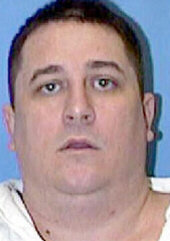
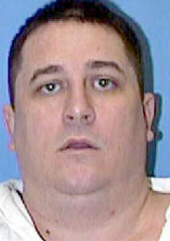
| Forensic Heading / Aliases | Dennis Wayne Bagwell / "Pete" |
| Legal Identity | Dennis Wayne Bagwell |
| Confirmed Victims | 5 (including the prior murder of George Barry and a quadruple family massacre) |
| Attributed / Indicted Victims | 5 |
| Active Timeline | 1982 - 1995 |
| Jurisdiction / Area of Operations | Wilson County, Atascosa County, and Seguin, Texas (USA) |
| Criminological Classification | Mass Murderer / Recidivist Killer |
| Forensic Modus Operandi | Extreme violence combining blunt force trauma (metal bars, hammers), manual strangulation with hyoid bone fractures, and firearms, followed by staging the crime scene to simulate robbery and sexual assault. |
| Weapon / Mechanism of Death | Firearm, exercise bar, hammer, and physical force (strangulation/blunt trauma) |
| Motive / Behavioral Dynamics | Personal vengeance, financial frustration, cocaine addiction, and severe antisocial personality traits. |
| Judicial Outcome | Sentenced to death in November 1996 for the family massacre; executed by lethal injection on February 17, 2005, in Huntsville, Texas. Previously convicted of the murder of George Barry and sentenced to life imprisonment in 1997. |
1. Background and Profile
Dennis Wayne Bagwell was born in 1963 and accumulated a violent criminal record from an early age. In September 1982, he was sentenced to eighteen years in a Texas state prison for attempted capital murder after robbing and slitting the throat of an undocumented immigrant in Hidalgo County. After serving a portion of his sentence, he was paroled amid strict prison population caps enforced in Texas. Throughout his incarcerations and periods on parole, Bagwell exhibited extreme hostility, continuous threats against law enforcement, a refusal to accept psychiatric treatment, and a severe cocaine addiction.
2. Crime Spree and Modus Operandi
Bagwell's path to lethal violence culminated in two distinct sprees. Two weeks prior to the family massacre, he beat 63-year-old janitor George Barry to death inside a bar in Seguin, Texas. The primary mass murder occurred on September 20, 1995, at a rural property in Wilson County, where Bagwell and his girlfriend, Victoria Wolford, went to demand money from his mother, Leona McBee, after having been evicted from a travel trailer parked on the land.
When McBee refused to give him more than a nominal amount of cash, Bagwell initiated a systematic assault on everyone inside the mobile home. The victims included his mother, Leona McBee (47); his half-sister, Libby Best (24); Best's 4-year-old daughter, Reba Best; and 14-year-old Tassy Boone, granddaughter of McBee's common-law husband. Forensic examination revealed extreme brutality: McBee and Tassy Boone were beaten and strangled with fractured necks; Libby Best sustained two gunshot wounds to the head; and 4-year-old Reba Best was beaten to death with an exercise bar and hammer, crushing her skull. Tassy Boone was also sexually assaulted as part of a staged attempt to make the massacre look like a robbery and sexual assault.
3. Investigation and Forensic Hunt
Bodies were discovered when Ronald Boone returned from work and alerted authorities. The police investigation quickly focused on Bagwell due to eyewitness testimony from Victoria Wolford, who witnessed portions of the attack through the trailer window and observed Bagwell wiping down weapons and fingerprints with wet towels. Physical evidence, including a bloody shoeprint beneath Tassy Boone's body, definitively linked Bagwell to the crime scene. Although the defense attempted to implicate Tassy's mother, investigators proved she was out of state during the killings.
4. Legal Proceedings and Outcome
Arrested on the day of the murders, Bagwell was indicted by a Wilson County grand jury for capital murder. Due to intense pretrial publicity, a change of venue transferred the case to Atascosa County. In November 1996, a jury convicted Bagwell on all counts of capital murder, and he was sentenced to death on November 7, 1996. The prosecution also presented evidence linking him to the murder of George Barry, resulting in a separate life sentence conviction in 1997.
5. Psychiatric Evaluation and Aftermath
While on death row, Bagwell pursued numerous state and federal appeals and writs of habeas corpus, all of which were denied. Forensic evaluations highlighted his lack of remorse, violent institutional behavior, and rejection of rehabilitation. Bagwell maintained his innocence until his execution, claiming coercion of witnesses. He was executed via lethal injection on February 17, 2005, at the Walls Unit in Huntsville, Texas, uttering his final statement before the lethal drugs were administered.