




Forensic & Criminological Matrix
| Parameter | Forensic Detail |
|---|---|
| Forensic Heading / Aliases | The Boot Print Killer |
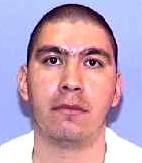
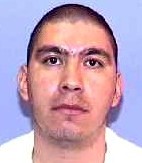
| Legal Identity | Rigoberto Avila Jr. |
| Confirmed Victims | 1 (Nicholas Macias) |
| Active Timeline | February 29, 2000 |
| Jurisdiction / Area of Operations | El Paso, Texas, USA |
| Criminological Classification | Infanticide / Child Abuse Homicide |
| Forensic Modus Operandi | Adult-sized boot stomp to the abdomen |
| Weapon / Mechanism of Death | Blunt force trauma |
| Motive / Behavioral Dynamics | Impulsive physical aggression |
| Judicial Outcome | Death Sentence (Pending) |
1. Background and Profile
Rigoberto Avila Jr. was a security guard living in El Paso, Texas. At the time of the crime, he was in a relationship with Marcelina Macias and acted as a father figure to her two young children. He had no significant prior criminal record, but his actions on the night of the murder revealed a catastrophic failure in impulse control and extreme physical volatility.
2. Crime Spree
On the evening of February 29, 2000, while babysitting 19-month-old Nicholas Macias and 4-year-old Dylan Salinas, Avila attacked the infant. Forensic evidence showed that Avila used his foot to stomp on the child's abdomen with lethal force. The medical examiner reported that the internal organs were crushed and split in two, a level of trauma typically seen in high-speed vehicular accidents or long-distance falls.
3. Investigation and Forensic Evidence
Avila initially claimed to 911 operators that the infant had stopped breathing while playing with his older brother. However, paramedics and hospital staff discovered a clear, boot-shaped bruise on the child's stomach. This physical evidence contradicted Avila's story. During police interrogation, after being shown photographs of the boot print on the victim's skin, Avila confessed to the assault.
4. Legal Proceedings and Outcome
In May 2001, Avila was tried for capital murder. The prosecution emphasized the vulnerability of the victim and the sheer brutality of the mechanism of death. The jury returned a guilty verdict and recommended the death penalty. Avila has spent over two decades on death row, with his execution being stayed multiple times as his legal team challenges the scientific validity of the original forensic testimony regarding the injuries.