



Forensic & Criminological Matrix
| Parameter | Forensic Detail |
|---|---|
| Forensic Heading / Aliases | The Killer of Katie Sepich |
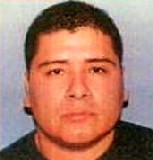
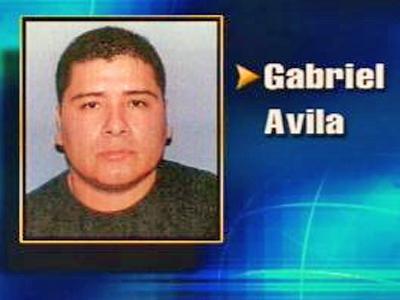
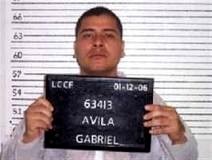
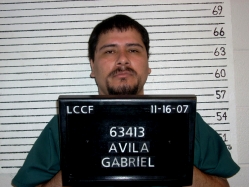
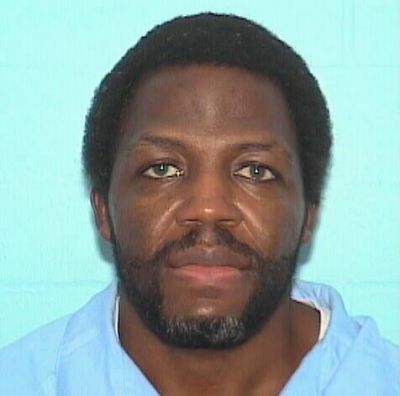
| Legal Identity | Gabriel Adrian Avila |
| Confirmed Victims | 1 |
| Active Timeline | August 2003 |
| Jurisdiction / Area of Operations | Las Cruces, New Mexico, USA |
| Criminological Classification | Opportunistic sexual predator and murderer |
| Forensic Modus Operandi | Stalking, sexual assault, manual strangulation, and body disposal |
| Weapon / Mechanism of Death | Manual strangulation |
| Motive / Behavioral Dynamics | Sexual sadism / Impulsive violence |
| Judicial Outcome | Sentenced to 69 years in prison |
1. Background and Profile
Gabriel Adrian Avila, a Mexican national residing in New Mexico, was not initially on the law enforcement radar for violent crimes. However, his criminal trajectory escalated quickly. In late 2003, shortly after the murder of Katie Sepich, he was arrested for aggravated burglary. This arrest and subsequent conviction in 2004 resulted in his DNA being entered into the state database, a factor that would eventually lead to his identification as a murderer years later.
2. Crime Spree
On the night of August 31, 2003, Avila encountered 22-year-old graduate student Katie Sepich as she walked home from a party. Avila followed her in his truck and attacked her as she attempted to enter her residence through a window. He sexually assaulted her outside the house and then strangled her. To conceal the crime, he transported her body to a remote desert area near an old city dump, where he attempted to burn the remains to destroy forensic evidence.
3. Investigation and Arrest
For over three years, the case remained cold despite the recovery of foreign DNA from under the victim's fingernails, proving she had fought her attacker. The breakthrough occurred in late 2006 when a routine DNA sweep of prison inmates provided a match. Avila, already incarcerated for an unrelated burglary, was confronted with the results. He subsequently provided a full confession, detailing the crime and leading investigators to a ring belonging to Sepich that he had kept in his vehicle.
4. Legal Proceedings and Outcome
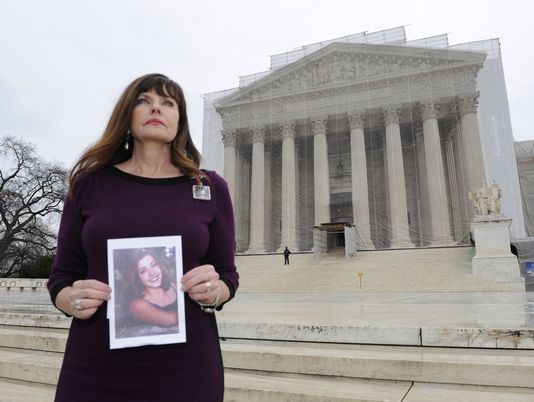
In 2007, Avila pleaded guilty to first-degree murder, criminal sexual penetration, kidnapping, and tampering with evidence. He was sentenced to 69 years in prison. The sentencing was a significant moment for the Sepich family, who had turned their grief into activism. Avila's case became the primary catalyst for "Katie's Law," a legislative reform that expanded DNA collection to include individuals arrested for violent felonies, significantly enhancing the capabilities of forensic databases across the United States.