



Forensic & Criminological Matrix
| Parameter | Forensic Detail |
|---|---|
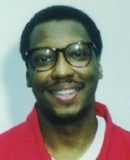
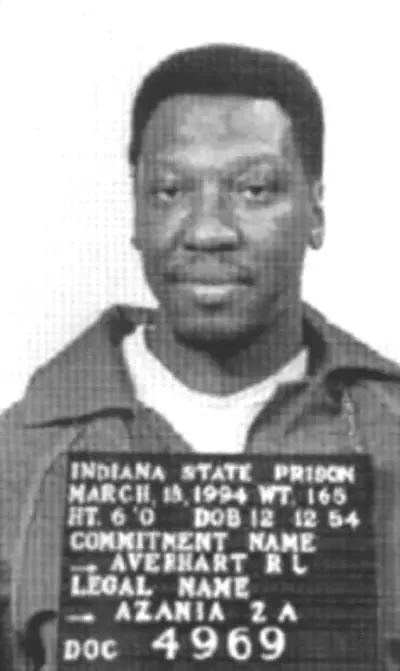
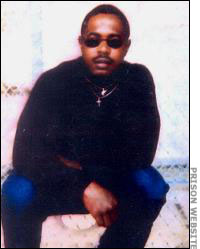
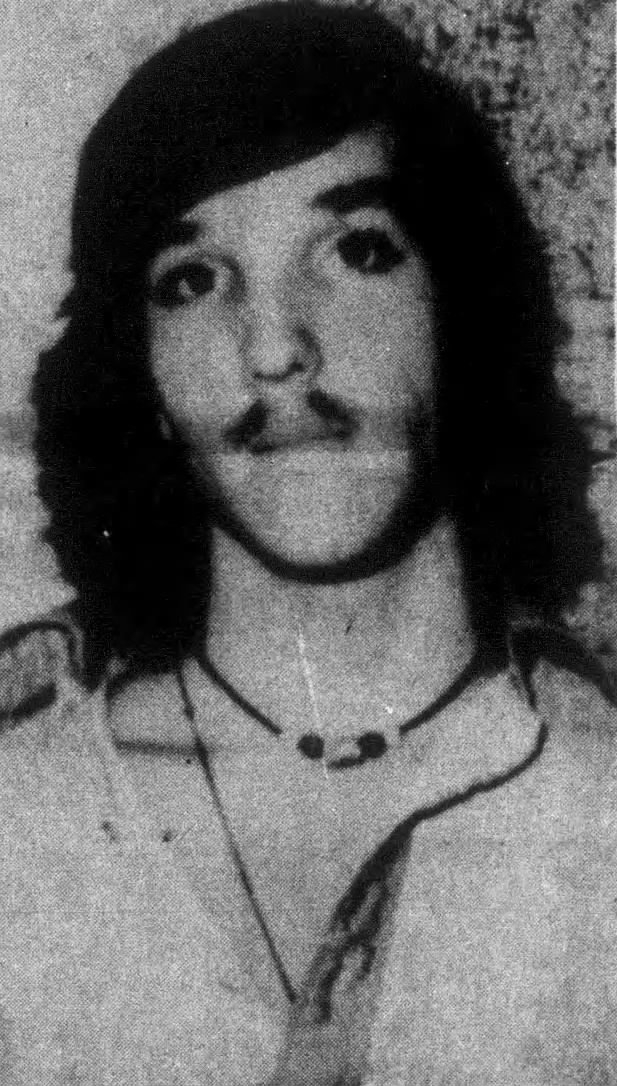
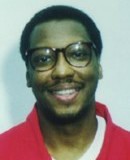
| Forensic Heading / Aliases | Zolo Agona Azania |
| Legal Identity | Rufus Lee Averhart (legally changed to Zolo Agona Azania) |
| Confirmed Victims | 2 (Leonard Wick in 1972; Officer George Yaros in 1981) |
| Active Timeline | 1972 - 1981 |
| Jurisdiction / Area of Operations | Gary, Indiana, USA |
| Criminological Classification | Recidivist armed robber and law enforcement killer |
| Forensic Modus Operandi | Armed bank robberies and burglaries utilizing high-caliber handguns, executing witnesses at close range, and engaging police in high-speed shootouts |
| Weapon / Mechanism of Death | .44 caliber revolver and firearms |
| Motive / Behavioral Dynamics | Financial gain via armed robbery combined with extreme violence and elimination of law enforcement intervention |
| Judicial Outcome | Multiple murder convictions; sentenced to death twice (both sentences overturned due to prosecutorial errors and jury pool defects), leading to prolonged litigation over capital punishment |
1. Background and Profile
Rufus Lee Averhart, who later legally changed his name to Zolo Agona Azania, was born on December 12, 1954. His criminal trajectory in Indiana began early with severe violence. In 1972, at age 17, he participated in a brutal home invasion in Gary, Indiana, during which he murdered 69-year-old Leonard Wick. For this crime, he was convicted and imprisoned until his release on parole in July 1980.
2. Crime Spree and Modus Operandi
Following his release, Averhart quickly resumed violent criminal activities. On August 11, 1981, alongside accomplices Hutson and North, he executed an armed robbery at the Gary National Bank. When 57-year-old Gary Police Officer George Yaros—a 30-year veteran nearing retirement—responded to the silent alarm, he was met with gunfire. As the perpetrators fled toward their getaway car, Averhart turned back and executed Officer Yaros with a final, close-range shot from a .44 caliber revolver.
3. Investigation and Forensic Pursuit
A massive police response ensued, resulting in a high-speed car chase and shootout that ended when the getaway vehicle crashed into a tree. Averhart fled on foot but was apprehended shortly after nearby, aided by observant bystanders. Investigators recovered the .44 caliber murder weapon, a firearm stolen from the bank's security guard during the robbery, and a wig worn by Averhart during the crime.
4. Legal Proceedings and Outcome
Tried jointly with co-defendants Hutson and North, Averhart faced capital charges in Allen County, where the venue had been changed due to extensive pre-trial publicity. In May 1982, a jury convicted him of murder and felony murder. While his accomplices received 60-year prison sentences, the jury recommended the death penalty exclusively for Averhart, which was formally imposed on May 25, 1982.
5. Psychiatric Evaluation and Aftermath
Averhart's legal journey evolved into a decades-long procedural battle. In 1993, the Indiana Supreme Court vacated his death sentence due to suppressed gunshot residue evidence and ineffective assistance of counsel during sentencing. Sentenced to death a second time in 1996, that sentence was also overturned in November 2002 due to computer anomalies in jury pool selection that systemically impacted minority representation. The case languished through successive court hearings and special judgeships, highlighting prolonged legal controversies regarding due process and capital punishment in Indiana.